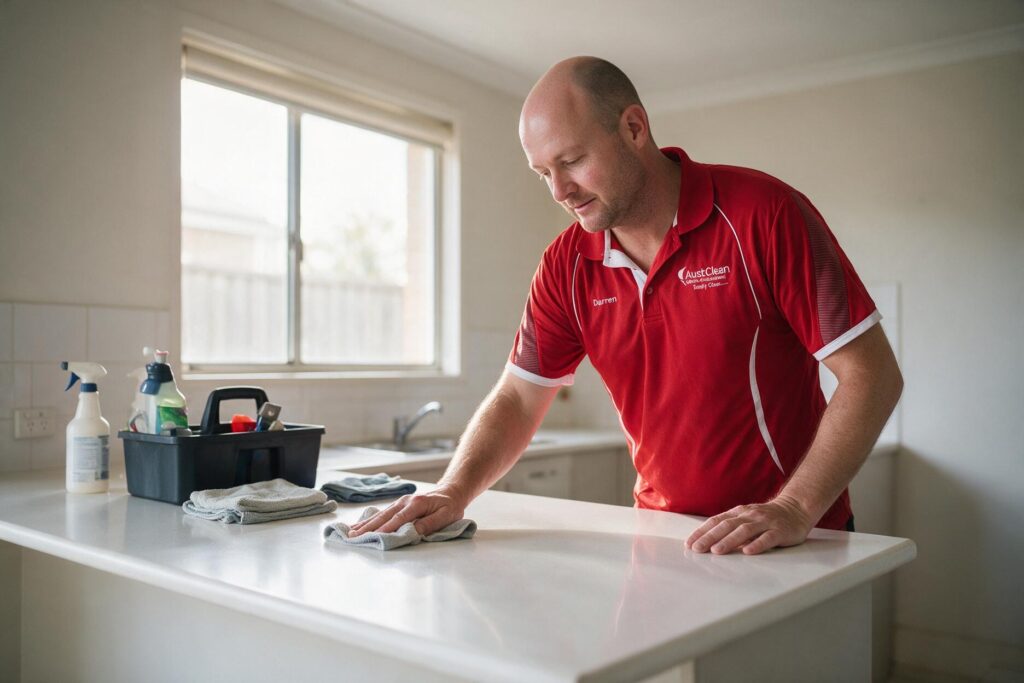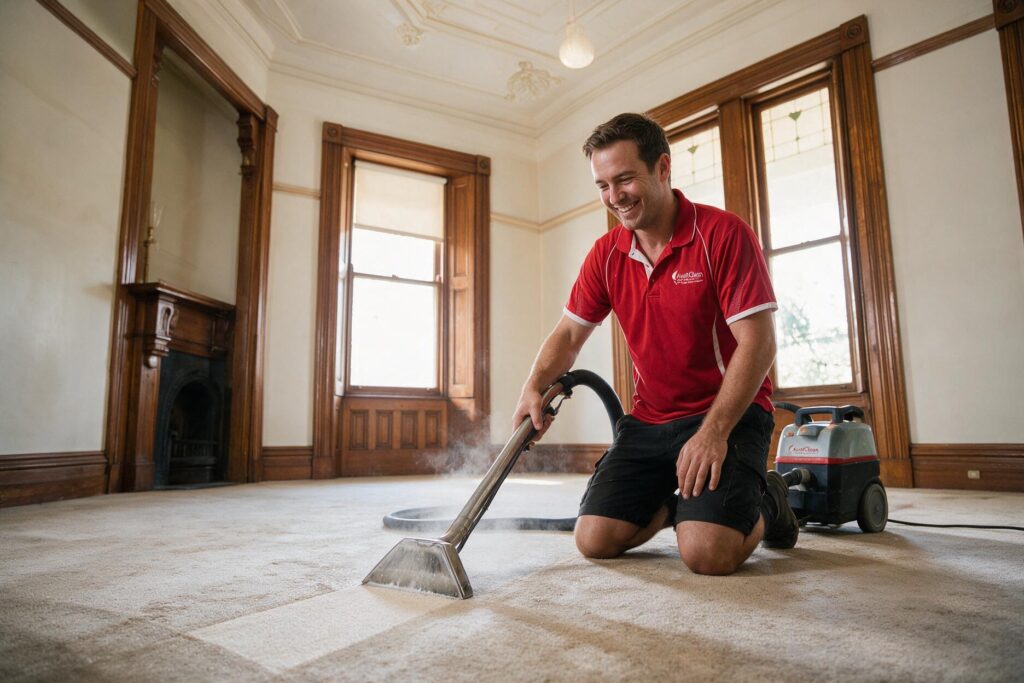

Moving house is stressful enough without the added worry of losing your rental bond. For most tenants in Australia, that bond represents thousands of dollars held as security. To get it back in full, you need to meet strict end-of-lease cleaning standards set by landlords and property managers.
That’s where a bond clean checklist makes all the difference. With the right plan—and, if you choose, the right professional support—you can move out with confidence, knowing your property is spotless and inspection‑ready.
This essential end-of-lease checklist for getting your full bond back is designed for:
- Renters leaving a house, unit, or apartment
- Homeowners preparing a property for sale or lease
- Business owners and office managers ending a commercial lease
- Property managers and real estate agents who want a consistent standard
- Entrepreneurs and investors interested in AustClean franchise opportunities
“A detailed checklist is one of the most reliable tools a tenant can use to avoid bond disputes.” — Tenants Queensland
Why Bond Cleaning Matters
Property managers and landlords are legally allowed to withhold some or all of your bond if the property isn’t returned in its original condition (fair wear and tear excluded). End-of-lease cleaning—often called bond cleaning or exit cleaning—helps ensure:
- The home or workplace is hygienic and safe for the next occupants
- There’s no build-up of grease, soap scum, dust, or mold that could cause long‑term damage
- The property looks and smells move‑in ready, which helps it rent or sell faster
- You have fewer disputes over the condition of the property at handover
Skipping or rushing the bond clean is one of the most common reasons tenants and businesses lose money when they move out.
For different people, a thorough bond clean offers different benefits:
- Renters: Protect a bond that can easily exceed one month’s rent.
- Owners & sellers: Present the property at its best for open homes and photos.
- Business owners: Hand back premises on time and avoid extra rent or cleaning charges.
- Property managers & agents: Reduce complaints, re‑cleans, and vacancy time.
- AustClean franchisees & investors: Bond cleaning is a high-demand, repeatable service when you follow a clear checklist.
How Your Rental Bond Works (And Why Cleaning Is A Top Issue)
Your bond is money held by or on behalf of the landlord as insurance that you’ll return the property in much the same condition as when you moved in, aside from fair wear and tear. At the end of the lease, the landlord or agent will compare the property against:
- The original entry condition report
- The current condition at final inspection
If they believe extra cleaning, repairs, or rubbish removal are needed, they can claim those costs from your bond.
Across Australian tenancy authorities, recent reporting consistently shows that the same few problems cause most bond deductions:
- Poor or incomplete cleaning (especially kitchens, bathrooms, and floors)
- Damage to walls, doors, and fixtures
- Unpaid rent or bills
- Rubbish left inside the property, yard, or garage
- Lack of required services, such as carpet steam cleaning or pest control
Cleaning is usually at or near the top of that list, which is why a structured, room‑by‑room end-of-lease checklist is so important.
Typical Bond Return Timeframes: QLD vs NSW vs VIC
Timeframes can change, but these are typical bond refund timings once everyone agrees on the amount to be returned and the relevant authority processes the claim:
| State | Bond Authority | Typical Refund Timeframe Once Approved* |
|---|---|---|
| QLD | Residential Tenancies Authority (RTA) | Up to around 14 days after the RTA receives a completed Refund of Rental Bond form |
| NSW | NSW Fair Trading (Rental Bonds Online) | Often a few business days; up to about 14 days if one party does not respond to a claim |
| VIC | Residential Tenancies Bond Authority (RTBA) | Usually within a few business days after an agreed claim is lodged |
*These timeframes are general guides only. Always check your state’s tenancy authority for the most current rules.
A thorough bond clean, photos, and receipts for any professional services make it far easier to resolve any disagreement quickly and get your money back faster.
“Good documentation—photos, reports, and receipts—is your best friend if there’s a dispute over the bond.” — NSW Fair Trading
DIY Vs Professional Bond Cleaning
Some tenants and business owners consider handling the clean themselves. While DIY can seem cheaper, it comes with real risks.
DIY cleaning can work when:
- The property is relatively small or has been well maintained
- You have at least a full day (often more) free just for cleaning
- You already own a good vacuum, mop, and basic tools
- You’re prepared to follow a detailed checklist and work methodically
DIY downsides include:
- Time: A full bond clean often takes 10–20 hours or more, depending on size and condition.
- Equipment: Carpet steamers, oven degreasers, and grout scrubbers aren’t usually sitting in the cupboard at home.
- Standards: Professionals know exactly what property managers look for—tenants often overlook critical areas like fans, window tracks, and skirting boards (baseboards).
Hiring professionals (like AustClean) makes sense when:
- You’re short on time around packing, moving, and utilities
- The property is large, older, or heavily used
- Carpets, ovens, or bathrooms have heavy build‑up
- You need extras such as steam carpet cleaning or pest treatments
- You want a clear invoice and bond‑clean scope to show your property manager
For property managers and real estate agents, having a regular provider such as AustClean means consistent results and fewer re‑cleans. For AustClean franchisees and investors, bond cleans form a reliable, repeatable service line built around checklists and quality control.
Get Ready: Preparation Before You Start Cleaning
Good preparation dramatically reduces stress, wasted effort, and re‑cleaning.
1. Create A Realistic Cleaning Schedule
- Block at least one full day for a 1–2 bedroom unit; more for a house or office.
- Plan to clean in this order:
- Declutter and remove as much furniture as possible
- Kitchen and bathrooms (most time‑consuming)
- Bedrooms and living areas
- Windows and glass
- Floors last (vacuum, then mop)
- Outdoor areas, garage, and storage spaces
Tip: Set a timer for each room to keep yourself moving and prevent getting stuck on one task.
2. Clear And Declutter The Property
- Move furniture out if you can.
- If items must stay: box everything and stack it in one area so you can reach:
- Walls and skirting boards/baseboards
- Inside wardrobes and cupboards
- Behind doors and in corners
- Remove all rubbish, old food, and unwanted items before you start cleaning.
Left‑behind belongings and trash are very common reasons for bond deductions, even when the rest of the clean is thorough.
3. Gather Essential Cleaning Supplies
Have everything on site before you begin:
- All‑purpose cleaner, bathroom cleaner, glass cleaner, and degreaser
- Disinfectant spray or wipes
- Sponges, non‑scratch scourers, and scrub brushes
- Microfiber cloths and towels
- Mop and bucket, broom, and dustpan
- A quality vacuum with crevice and upholstery attachments
- Rubber or nitrile gloves
- Step ladder for fans, light fittings, and high windows
Professional AustClean teams bring all of this plus commercial‑grade machines like steam cleaners and pressure washers, so they can deliver a deeper clean in less time.
The Essential End-Of-Lease Bond Clean Checklist
Here’s a comprehensive end-of-lease cleaning checklist covering every room. Use it as your personal guide—or as a reference when hiring professionals.
Download This Bond Clean Checklist as a PDF
Work room by room and tick items off as you go.
General Areas (All Rooms)
- Dust and wipe down all walls, ceilings, and skirting boards (baseboards)
- Remove cobwebs from corners, ceilings, and light fittings
- Clean windows, window sills, and tracks
- Wash curtains or clean blinds; wipe curtain rails where accessible
- Wipe doors, handles, and light switches
- Dust and clean fans, air conditioners, and vents
- Wipe power points (covers only) and thermostats
- Vacuum and mop all floors, including under and behind remaining furniture
- Remove all rubbish and personal items from cupboards, wardrobes, and shelves
Kitchen
- Clean oven inside and out, including trays, racks, and door glass
- Degrease rangehood filters, controls, and exhaust fan
- Wipe stovetop and splashback, removing all grease and food splatter
- Clean cupboards and drawers inside, outside, and handles
- Empty and wipe pantry and drawers, removing crumbs and stains
- Clean and sanitize sink, taps, and drain; remove limescale and water marks
- Wipe benchtops and polish stainless steel surfaces
- Clean inside and outside of the dishwasher and fridge (if included with property)
- Wipe inside the microwave, including ceiling and turntable
- Clean behind and under appliances where accessible
- Mop and disinfect floors, getting into corners and along kickboards
Bathroom & Toilet
- Scrub showers and bathtubs to remove soap scum, body oils, and grime
- Clean tiles and grout on walls and floors, paying extra attention to corners
- Clean and polish glass shower screens and doors until streak‑free
- Wipe and disinfect vanity tops, basins, and taps; remove toothpaste and stains
- Empty and wipe inside vanity cupboards and drawers
- Clean mirrors with glass cleaner so they are streak‑free
- Thoroughly clean toilets inside and out, including under the rim, hinges, base, and behind
- Wipe towel rails, hooks, toilet roll holders, and any built‑in shelves
- Remove dust from exhaust fans and vents; wash removable covers
- Sweep and mop floors with a disinfectant cleaner, including behind doors and around the toilet base
Bedrooms
- Dust and wipe all surfaces, including window sills and shelves
- Clean skirting boards/baseboards and door frames
- Wipe doors, handles, and light switches
- Clean built‑in wardrobes inside and out: shelves, rails, drawers, and doors
- Wipe sliding wardrobe door tracks to remove dust and debris
- Clean mirrors on wardrobe doors or dressers
- Vacuum carpets thoroughly, including under where beds or furniture sat
- For hard floors, sweep and mop, making sure there are no streaks or residue
Living Areas
- Dust all surfaces: TV units, shelves, mantels, and window sills
- Wipe skirting boards/baseboards, door frames, and internal doors
- Clean any built‑in cabinetry or shelving inside and out
- Wash internal windows, including sliding doors and any glass partitions
- Clean window tracks and door runners, vacuuming out dirt before wiping
- Dust and wipe blinds and curtain rails; vacuum curtains if needed
- Vacuum carpets thoroughly; consider steam cleaning if stained or required by your lease
- Sweep and mop hard floors, paying attention to entryways and high‑traffic paths
Laundry
- Clean inside and outside of laundry tub and surrounding tiles or splashback
- Wipe washing machine or dryer if provided, including control panels
- Clean lint filters in the dryer
- Wipe behind and underneath appliances where accessible
- Wipe cupboards, shelves, and taps
- Clean any bench surfaces
- Mop floors, including behind doors and in corners
Outdoor Areas (If Applicable)
- Sweep patios, balconies, and driveways
- Remove cobwebs from exterior walls, eaves, and outdoor light fittings
- Tidy garden beds and mow lawns (if specified in the lease)
- Remove weeds from paths, pavers, and garden beds
- Clean outdoor furniture and BBQs (if included)
- Sweep and tidy garage floors and storage areas; remove oil stains where possible
- Wipe garage doors inside and out where reachable
- Empty outdoor bins and, if required, rinse them out
“First impressions matter. Clean outdoor areas help property managers see that you’ve taken care of the place inside as well.” — Senior Property Manager, Gold Coast
Commonly Overlooked Areas
Many tenants miss small details that landlords and property managers always check:
- Skirting boards and door frames
- Rangehood filters
- Window tracks and sliding door runners
- Exhaust fans in bathrooms and laundries
- Light switches and power point covers
- Behind and under appliances (fridge, oven, washing machine, dryer)
- Garage floors and storage areas
- The tops of doors, picture rails, and high shelves
- Air‑conditioning filters and return vents
Neglecting these can cost part of your bond, even if the rest of the house looks clean. Add them as a separate mini‑checklist and double‑check them during your final walkthrough.
Final Walkthrough: Check Your Clean Before Inspection
Before you hand back the keys, do one last slow lap of the property with this checklist in hand.
- Walk room by room. Look from top to bottom—ceilings, walls, fixtures, then floors.
- Use fresh eyes. If possible, have a friend or family member walk through as if they were the property manager.
- Check against the entry condition report. Make sure everything that was clean at move‑in looks clean now (allowing for fair wear and tear).
- Test lights, fans, and appliances. Confirm they switch on, are free of obvious dust, and look presentable.
- Look for streaks and smears. Glass, mirrors, stainless steel, and tiles should be clear and smudge‑free.
- Confirm rubbish removal. Bins emptied, no bags or boxes left inside, garage and yard cleared.
Take date‑stamped photos of every room and key features (oven, bathrooms, carpets) to show the condition you left the property in. Keep receipts for any professional services, especially carpet cleaning, pest control, and bond cleaning.
“If it’s not written down or photographed, it’s very hard to prove later.” — Victorian tenancy advocate
How Professionals Ensure You Pass Inspection
Professional bond cleaners follow a strict checklist designed to satisfy property managers and tenancy authorities. At AustClean, the process typically includes:
- Pre‑inspection and scope: Confirm what’s required under your lease, including carpets, windows, garage, and any outdoor areas.
- Structured, room‑by‑room checklist: Trained teams work systematically through general areas, kitchen, bathrooms, bedrooms, living areas, laundry, and outdoors.
- Specialized equipment and products: Commercial vacuums, steam cleaners, degreasers, and grout cleaners handle heavy build‑up that household products struggle with.
- Quality control: A final walkthrough and touch‑ups help make sure the property meets real estate expectations.
- Receipts and documentation: Written invoices for bond cleaning, carpet steam cleaning, and add‑on services help resolve any disputes quickly.
For property managers and real estate agents, partnering with AustClean:
- Delivers a consistent standard across all vacate cleans
- Reduces the time spent arranging re‑cleans and mediating disputes
- Helps turn properties around faster between tenants
For AustClean franchisees and investors, end‑of‑lease and bond cleans are a core service supported by training, checklists, and systems that help build strong local relationships with agents and landlords.
Cost Of Bond Cleaning In Australia
On average, professional end-of-lease cleaning costs often start from around $250 for a small unit and increase with:
- Property size (number of bedrooms and bathrooms)
- Condition of the property and level of build‑up
- Location and ease of access (stairs, parking, etc.)
- Extra services such as carpet steam cleaning, window cleaning, or pest treatments
For many tenants, this still compares favorably to a bond of $2,000 or more. A thorough professional clean is a relatively small price to greatly improve your chances of a full refund.
Also think about the value of your time:
- 15–20 hours cleaning after a move is exhausting
- You may need to buy extra products and gear
- If the standard isn’t high enough, you risk paying again for extra cleaning
By comparison, experienced cleaners can usually deliver a higher standard in far less time, using better equipment and products.
Final Tips For Tenants
- Book early: Bond cleaning appointments fill up quickly around common lease‑end dates.
- Check your lease: Some agreements require professional carpet cleaning or pest treatments, especially if you had pets.
- Keep receipts: Proof of professional cleaning, carpet cleaning, and pest control can prevent disputes.
- Communicate with your property manager: Ask if they have a preferred standard or checklist so there are no surprises.
- Follow this checklist in order: Kitchen and bathrooms first, then bedrooms, living areas, windows, floors, and finally outside.
- Allow time for drying: Make sure carpets, grout, and cleaned surfaces are dry before the final inspection to avoid streaks and footprints.
“Clear communication with your agent before you move out can save you both time and money.” — Brisbane property manager
Conclusion: Secure Your Bond With Confidence
The end of a lease doesn’t have to mean losing money. With this bond clean checklist and room‑by‑room guide, you know exactly what to do—or what to expect from professionals—to meet landlord expectations and protect your bond.
DIY is possible, but for most tenants, hiring experts like AustClean is the safer, smarter investment. A thorough, professional end-of-lease checklist for getting your full bond back lets you start fresh in your new home or workspace without financial stress hanging over you.
Because when it comes to end-of-lease cleaning, the question isn’t whether you can afford professional help—the real question is whether you can afford not to.