To tell if mould at home needs a professional rather than a quick clean, focus on size, spread and health signs. Small, recent patches under about 1 square metre on hard surfaces are usually safe for healthy adults to clean after fixing the moisture source.
Larger or spreading growth, strong musty smells, stained or swollen walls, or asthma and allergy flare ups point to a deeper problem that needs trained help. Because mould in Australian homes is so common, knowing this line keeps families safer without overreacting.
Household mould is a type of fungus that feeds on dust and moisture. It thrives in Queensland, Victorian and South Australian homes that are damp, poorly ventilated or flood affected. It matters for anyone with asthma or allergies because spores can irritate noses, eyes and lungs, and sometimes set off serious breathing trouble. This guide explains the main mould health risks and which small patches you can clean with everyday products. It also covers what jobs need professional mould remediation, what mould removal cost usually depends on, and simple habits that stop it returning. You will also see how a friendly local cleaning company such as AustClean can help with mould treatment, deep bathroom cleaning and carpet care when you need extra support.
Key Takeaways
These key takeaways summarise safe ways to handle mould in Australian homes. They help you quickly decide what you can clean yourself and when outside help makes more sense.
-
Small patches you can safely clean yourself are recent spots under about 1 square metre on tiles, painted walls or glass. The surface should be sound, without bubbling paint or soft plaster. Healthy adults using gloves and a P2 mask can usually handle this DIY mould removal work after fixing the moisture source.
-
Health red flags that need medical and professional help include wheeze, tight chest, ongoing cough or strong headaches that improve when you leave the house. These can be signs of mould exposure for people with asthma or allergies. Babies, older adults, pregnant women and anyone with weakened immunity should avoid cleaning mould themselves and see a GP if symptoms persist.
-
Signs DIY has failed and it is time to call a pro include mould returning within weeks, stains getting larger, or musty odours spreading through several rooms. Swollen skirting boards, peeling paint or mould in walls after rain also point to hidden damp. In these cases, professional mould removal and moisture investigation usually work out cheaper and safer than repeated home cleaning.
-
Simple everyday habits to prevent mould coming back include running exhaust fans, opening windows when weather allows and drying wet windows each morning. Regular cleaning removes the dust and soap scum that mould feeds on. Keeping indoor humidity under about 60 percent with a hygrometer, dehumidifier or air conditioning dry mode also makes a big difference, as demonstrated in an experimental and numerical investigation to optimise liquid desiccant systems for advanced air conditioning.
-
AustClean offers mould treatment, deep bathroom cleaning and carpet cleaning that support homeowners, renters and property managers across Queensland, Victoria and South Australia. Its teams help with stubborn bathroom mould, mould in bedroom walls, and bond cleans where inspectors look closely at ceilings and window frames. Partnering with trained cleaners gives busy households and offices a safer, easier way to stay on top of mould.
“If you can smell a persistent musty odour or see mould covering more than a door-sized area, it is time to seek professional help rather than keep scrubbing at it yourself.” – General public health guidance
What Is Mould In Australian Homes And Why Does It Grow?
Mould in Australian homes grows when everyday moisture, warmth and still air let fungal spores settle and feed on surfaces. These fungi release microscopic spores that float through indoor air and take hold wherever conditions suit them. Once they find a damp patch with dust or soap scum to eat, they spread across paint, grout, timber, fabric and even paper. That is why you often see mould in the home as fuzzy or slimy patches on ceilings, walls, carpets and curtains.
Australian houses, units and small offices give mould almost everything it needs. Showers, cooking, clothes drying and even breathing at night all add water vapour to the air. If rooms stay closed, exhaust fans fail or windows are single glazed, warm moist air hits cold surfaces and turns into condensation. Add wet seasons, storms and the odd plumbing leak, and it is easy to see why mould can appear so quickly on bedroom ceilings, bathroom tiles and even carpets after spills.
Common Places You’ll Find Mould In The Home
Common places you will see mould in the home are rooms that stay damp or poorly aired. Bathrooms and showers are classic trouble spots, with mould in bathroom grout, silicone, ceiling corners and around exhaust fans or windows. Soap scum and body oils give spores plenty of food, and steam can linger long after a hot shower.
Bedrooms and living areas often show mould on ceilings and external walls, especially behind beds, sofas and built in wardrobes. Cold winter nights encourage condensation on these surfaces, which then soaks into paint and plaster. Curtains, blinds and wardrobe contents can also grow fuzzy spots if air cannot move freely. In some homes, people notice mould in bedroom walls after placing furniture hard against an outside wall during winter.
Kitchens and laundries can grow mould around sinks, splashbacks, window frames and behind fridges or washing machines. Slow leaks and constant steam from cooking or dryers add to the problem. Floors and hidden spots such as carpet underlay, subfloor spaces and air conditioning outlets can also host mould after leaks or flooding, especially if they are not dried within 24 to 48 hours.
Why Australian Homes Are So Prone To Damp And Mould
Australian homes are prone to damp and mould because many everyday habits add moisture faster than it can escape. Showers without good exhaust, indoor clothes drying, boiling pots without using a rangehood and unflued gas heaters all pump litres of water into indoor air. When that moist air hits cold windows and bedroom walls overnight, condensation forms and creates damp patches that mould loves.
Storms, blocked gutters, roof leaks and plumbing issues add another layer of risk. Storms, blocked gutters, roof leaks and plumbing issues add another layer of risk, and a final report on moisture accumulation and mould growth in six-star and seven-star housing shows that water can soak into plasterboard and framing behind the surface, leading to mould in walls that only shows later as bubbling paint or a musty smell. Older homes with rising damp or poor subfloor ventilation often have more persistent mould near skirting boards and along lower walls.
Humidity also matters. Health departments suggest keeping indoor humidity below about 60 percent to discourage mould growth. Without enough ventilation or active drying, coastal and tropical regions can sit above this level for weeks. That is why good airflow, working exhaust fans and prompt repairs are so important for keeping mould under control.
How Can Mould Affect Your Health And Breathing?
Mould affects health and breathing mainly by releasing spores and fragments that irritate airways, eyes and skin when inhaled. For some people this causes mild discomfort, while for others it can set off serious asthma symptoms or allergic reactions. The longer someone spends in a mouldy room, the higher their exposure to these particles.
Health agencies across Australia warn that mould health risks range from sneezing and itchy eyes through to tight chest and shortness of breath. People with asthma, hay fever or chronic lung disease often notice they wheeze or cough more in damp, musty rooms. In rare cases, heavy long term exposure to certain moulds can lead to serious lung inflammation or infection in people with very weak immune systems.
“People with asthma or allergies may notice their symptoms get worse when they are in damp or mouldy rooms.” – Based on Australian health department advice
Typical Mould Health Symptoms And Who’s Most At Risk
Typical signs of mould exposure include a runny or blocked nose, sneezing, itchy or watery eyes, sore throat and dry cough. Some people notice skin irritation or rashes where mould or dusty surfaces touch their skin. Headaches and trouble concentrating can also appear in very mouldy environments, especially if ventilation is poor.
Mould and asthma are a worrying mix. Spores can trigger asthma attacks, with wheeze, tight chest, night time coughing and shortness of breath that improves when you leave the mouldy space. People with mould allergy symptoms may feel like they have hay fever that never clears while they stay in the property.
Higher risk groups include:
-
Babies and children
-
Older adults
-
Pregnant women
-
Anyone with asthma, COPD, bronchitis or other lung conditions
-
People with allergies or hay fever
-
Anyone with weakened immunity
These people should avoid cleaning mould themselves and spend less time in mould affected rooms. If symptoms start or worsen at home or work, see a GP for advice. Sudden severe breathing trouble or chest pain is an emergency and you should call 000.
Black Mould, “Toxic Mould” And When To Be Extra Cautious
Black mould is a common term people use for any dark mould on walls or ceilings, but the colour alone does not prove toxicity. Some species such as Stachybotrys chartarum can produce strong irritants and mycotoxins when they grow for a long time on very damp materials. These often appear as slimy dark patches on plasterboard, timber or insulation after chronic leaks or flooding.
You should be extra cautious when black mould covers a large area, there is a strong musty odour through much of the home, or people feel unwell in those rooms. In these situations DIY mould removal is not a good idea, especially if there are infants, older adults or anyone with asthma or immune problems. You do not need lab tests to act, because visible mould, smell and symptoms are already enough reason to fix moisture issues and call professional help.
Which Small Mould Patches Can You Safely Treat Yourself?
Small mould patches that healthy adults can usually handle themselves are recent, shallow spots on hard, non porous surfaces. These are the little clusters you see on bathroom tiles, painted ceilings or around window frames before they spread. As a rule of thumb, if the total area is under about 1 square metre and the surface underneath is not damaged, careful DIY mould removal can be suitable.
The safest jobs to tackle yourself are mould in bathroom grout and silicone, light mould on painted walls and small marks on glass or metal. You still need to fix or reduce the moisture source, such as running exhaust fans longer or wiping condensation each morning. Once you see that a patch is larger than a door sized panel, spreading across several rooms or linked to soggy plaster or carpet, it is time to stop and think about professional mould removal instead.
Safe DIY Mould Removal On Hard Surfaces
Safe DIY mould removal on hard surfaces starts with checking that you are the right person for the job. You should avoid cleaning mould if you are pregnant, elderly, have asthma or other lung disease, or have a weak immune system. Children should never clean mould, and high risk family members should stay out of the room during and after cleaning until the air clears.
Next, set up simple protective gear:
-
Rubber or nitrile gloves to keep mould and cleaners off your skin
-
Snug fitting safety glasses
-
A P2 or N95 respirator from a hardware store to reduce how many spores you breathe in
-
Open windows or doors, or run an exhaust fan that vents outside, so fresh air moves through the room
For most mould on tiles, shower screens, painted walls and ceilings, detergent and warm water are the first choice. Mix dishwashing liquid in a bucket of warm water, dip a microfibre cloth, wring it out, and firmly wipe the mould so it lifts off the surface. Rinse the cloth often in clean water so you are not spreading spores around, and dry the area well with a clean towel at the end.
White vinegar mixed with water also works well on hard, non porous surfaces. Many people use about 4 parts vinegar to 1 part water and apply it with a cloth or spray bottle, then wipe and dry. For stubborn staining on colourfast tiles or some paints, a diluted bleach solution can help, but only if the label says it suits that surface and the room has very good ventilation. Never mix bleach with other cleaners and stop using it if it irritates your eyes or chest.
Here is a simple comparison of common cleaning methods.
|
Method |
Best Surfaces And Uses |
Pros |
Limits And Cautions |
|---|---|---|---|
|
Detergent And Water |
Bathroom tiles, painted walls, ceilings, glass |
Removes mould and grime in one step |
Needs firm wiping and thorough drying |
|
Vinegar Solution |
Hard, non porous areas with light mould |
Widely available and easy to apply |
Strong smell and may not suit delicate finishes |
|
Diluted Bleach |
Stubborn stains on colourfast, non porous surfaces |
Can lighten dark marks after cleaning |
Fumes, surface damage risk, never mix with other cleaners |
Tip: “Always clean from the least mouldy area towards the worst area to avoid spreading spores.” – Professional cleaning practice
When DIY Mould Cleaning Is Not Safe Or Enough
DIY mould cleaning is not safe or enough when growth is larger than about 1 square metre, spread across several rooms, or keeps coming back quickly. Mould in carpets, underlay, soft furnishings and inside walls often means moisture has soaked deep into porous materials, which usually need professional mould remediation or replacement. Swollen skirting boards, peeling paint, strong musty odours and any link with health symptoms are clear signs to step back. In these cases, calling experienced cleaners and building trades is far better than scrubbing the same spots every few weeks.
When Should You Call A Professional For Mould In The Home?
You should call a professional for mould in the home when the problem is big, persistent or linked to structural damp or health issues. Professional mould removal teams have training, equipment and safety gear that go far beyond regular home cleaning. They can clean large areas, reach hidden spots, dry wet materials and help you deal with the cause so mould does not keep returning.
This is especially important for mould in bathroom ceilings, bedroom walls, carpets after leaks and mould in walls around windows or skirting boards. When mould affects a rental property, office or shop, there are extra duty of care and tenancy rules to think about. In those cases, many owners and managers find it better to get a professional assessment, even if they have already tried home cleaning.
Clear Warning Signs It’s Time To Call A Mould Professional
Some warning signs make it clear that a mould professional should be involved. If mould covers more than about 1 square metre, appears in several rooms, or affects both walls and ceilings, the job is beyond simple home cleaning. Large areas usually mean widespread dampness and a much higher level of spores in the air.
Recurring issues are another signal. If mould returns within weeks after you scrub it off, or stains never fully clear, the moisture source is still active. A musty smell with no obvious mould, soft or swollen plaster, or brown water marks after rain suggests hidden mould in walls, ceilings or under floors.
You should also call a professional when the home includes high risk occupants such as infants, older adults, pregnant women, or anyone with asthma, allergies or immune problems. For mould in rental properties where tenants have already aired and cleaned reasonably, or in workplaces that must meet health and safety rules, owners have extra responsibilities. If several of these points sound familiar, it is time to contact a professional mould removal service such as AustClean for a proper assessment and plan.
What Professional Mould Removal Services Actually Do
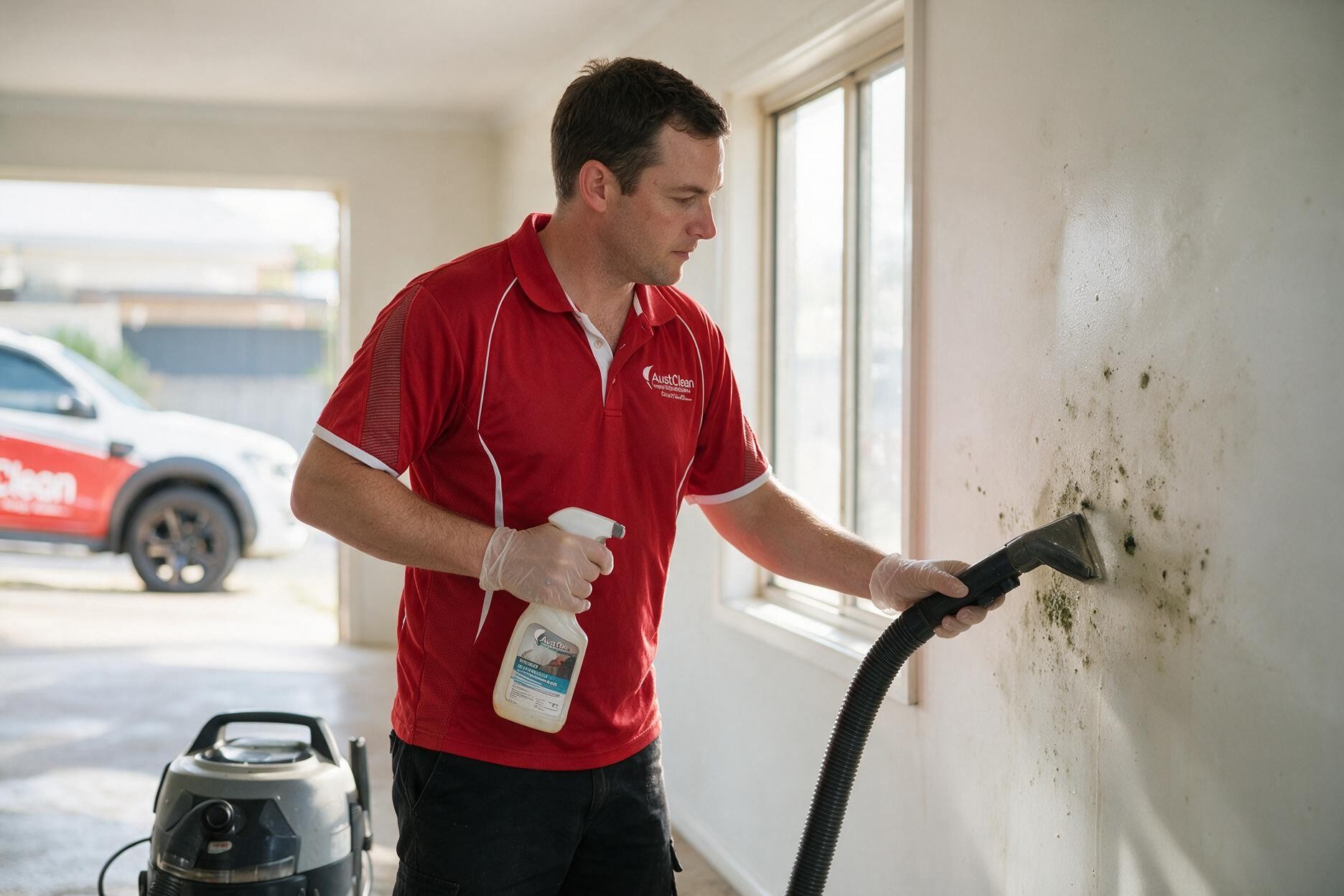
Professional mould removal services start with a detailed inspection of visible mould and likely moisture sources. They may use moisture meters or thermal cameras to find damp patches in walls, ceilings and floors that you cannot see. From there they outline which materials can be cleaned and which may need to be removed, such as badly damaged plasterboard or soaked carpet underlay.
During the clean, trained teams use methods that limit spread of spores, including HEPA filtered vacuums and careful damp wiping. In bigger jobs they may set up plastic containment and negative air units so spores do not move into clean rooms. Drying equipment such as dehumidifiers and air movers then brings moisture levels down to safe ranges. Because these services focus on both removal and moisture control, they usually give longer lasting results than repeated home cleaning and can reduce future mould remediation and mould inspection cost.
How Do You Prevent Mould Coming Back After Cleaning?
Preventing mould from coming back after cleaning relies on controlling moisture, improving airflow and keeping surfaces clean. Even the best black mould removal effort will fail if walls, ceilings or carpets stay damp. Once you lower humidity and remove the dust and soap scum that mould feeds on, spores have a much harder time growing again.
In Australian homes this mostly means dealing with condensation and mould in winter, managing humidity during long wet spells, and reacting quickly to leaks. Bathrooms, laundries, kitchens and bedrooms need the most attention, because these rooms produce the most moisture. Simple tools such as a hygrometer, a well chosen dehumidifier and working exhaust fans often make the difference between a dry home and a damp, mouldy one, and research on a vapor compression air conditioner with liquid desiccants for efficient dehumidification shows how such equipment improves moisture control indoors.
Everyday Mould Prevention Tips For Bathrooms, Bedrooms And Living Areas
Everyday mould prevention tips work best when they become part of your weekly routine. Start with bathrooms, because they create the most steam.
-
Run the exhaust fan during showers and for at least 10 to 20 minutes afterwards
-
Crack a window when weather allows
-
Wipe water off tiles, glass and ledges
-
Wash towels and bathmats weekly so they do not stay damp
Bedrooms and living rooms need steady airflow. Try to keep bedroom doors slightly open at night so moist air can move into larger spaces. Pull beds and sofas a few centimetres away from cold external walls, and open windows on dry days to clear stale air. If you see mould on ceiling corners or external bedroom walls, look closely at condensation patterns each morning.
Condensation and mould often start at windows. Wipe wet glass and sills every morning in cooler months so water does not soak into timber or plaster. Do not block vents with heavy curtains or furniture, and consider using reverse cycle air conditioning on dry mode in damp rooms. A simple hygrometer helps you keep humidity under about 60 percent, and a quick weekly cleaning checklist for dusting, vacuuming and wiping walls and window frames with mild detergent removes much of the food mould needs.
“Prevention is often easier than cure: a few minutes of ventilation each day can save hours of mould cleaning later.” – General home maintenance advice
How AustClean Can Help You Stay On Top Of Mould Long Term
How AustClean can help you stay on top of mould long term comes down to regular, thorough cleaning in the areas that matter most. Its local teams provide domestic cleaning that keeps bathrooms, kitchens and laundries free of grime and soap scum, which makes mould less likely to take hold. They also handle steam carpet cleaning after minor water issues and detailed bathroom cleaning that deals with mould in grout and silicone before it spreads.
For property managers and busy owners, the company offers end of lease and bond cleans that focus on damp and mould in house so properties pass inspection. Commercial and office cleaning plans can include mould prone spots such as staff amenities, window frames and air conditioning vents. With a friendly franchise network across Queensland, Victoria and South Australia, this kind of support can make long term mould prevention far easier to manage.
Worried About Mould in Your Home or Workplace?
If mould keeps returning—or the affected area is too large to clean safely—AustClean can assess the problem and recommend the right treatment.
Contact AustClean today for professional mould cleaning and a tailored quote.
Frequently Asked Questions
Mould raises many practical questions for homeowners, renters and small business owners. These answers give quick, clear guidance you can use straight away. If your situation is complex or anyone in the home is unwell, combine this advice with medical support and professional cleaning help.
Question: What Are The Early Signs Of A Mould Problem In The Home?
Early signs of a mould problem include small spots on ceilings, walls, grout and window frames, especially in bathrooms and bedrooms. A musty smell when you first enter a room or open a wardrobe is another warning. Condensation on windows most mornings, peeling paint or swollen skirting boards also suggest hidden damp that can soon support mould.
Question: Do I Need Mould Testing, Or Can I Just Clean What I See?
Most homes do not need formal mould testing, because visible mould and musty odour are already enough reason to act. You can usually clean small, shallow patches yourself if you are healthy and moisture is fixed. Testing may help when you suspect hidden mould, have severe ongoing health symptoms, or face legal or insurance disputes. In complex cases, speak to a GP and consider advice from an occupational hygienist.
Question: Is Vinegar Or Bleach Better For Removing Mould?
Detergent and physical wiping are always the main step, because they actually remove mould from the surface. Vinegar can help on hard surfaces and is handy for light mould in bathrooms and kitchens. Bleach can fade stains on some tiles and paints but must be used with care, good ventilation and never mixed with other cleaners. For large or stubborn areas, consider calling professional cleaners instead.
Question: How Much Does Professional Mould Removal Usually Cost?
Professional mould removal cost depends on how large the affected area is, which surfaces are involved and how much water damage sits behind the mould. Access, the number of rooms and any need for carpet cleaning or building repairs also affect the price. The best approach is to contact AustClean for a tailored quote and advice, as early action usually keeps both damage and cost down.
Question: What Should I Do If I Find Mould In A Rental Property?
If you find mould in a rental, start by ventilating where possible and cleaning only small, safe spots if you are healthy. Take clear photos of leaks, damp patches or larger mould and report them in writing to the landlord or property manager. Keep records of your efforts, and ask for professional cleaning or building repairs between tenancies if the issue is significant.
Question: Can Mould In The Bedroom Make My Asthma Worse At Night?
Yes, mould in the bedroom can make asthma worse at night by releasing spores while you sleep. These can trigger wheeze, cough and tight chest that settle when you leave the room. See your GP or asthma nurse to review your action plan and medications. At the same time, address bedroom moisture, improve airflow and seek professional help if mould is widespread or keeps coming back.
In Summary
Mould in Australian homes is very common, but it becomes far less scary once you understand how it grows and how to control it. When you manage moisture, keep humidity in check and clean surfaces regularly, many small patches never get the chance to spread. Acting early protects both your health and the building itself.
As a simple rule, only tackle small, recent mould patches on hard surfaces yourself, and only if you and your family are healthy. Watch for warning signs that mean you should stop DIY mould removal and call in trained help, such as large or recurring growth, strong musty odours, damaged walls or carpets, and any link with asthma or allergy flare ups. Health always comes first, so speak with a doctor if symptoms start or worsen at home or work.
When the job feels too big, when a rental or workplace is involved, or when you just want the peace of mind that everything has been cleaned properly, reach out to a trusted local provider like AustClean. Its mould treatment, deep cleaning and ongoing domestic and commercial services across Queensland, Victoria and South Australia can help you keep your home or office cleaner, drier and easier to breathe in all year round.