You’ve packed the last box, the removalist has successfully navigated your vintage sideboard through the front door, and you’re standing in an empty house. In the quiet, the sunlight hits the floor at just the right angle to reveal every scuff, every crumb, and a layer of dust on the ceiling fans you swear wasn’t there yesterday.
This is the moment of truth: the end of lease clean.
In Queensland, the Residential Tenancies Authority (RTA) is very clear. You must leave the premises in the same condition it was in at the start of the tenancy, “less fair wear and tear.” But as any seasoned renter knows, “clean” in the eyes of a property manager is a very different beast than “clean” in everyday life.
An end of lease clean (often called a bond clean) is essentially a forensic restoration of the property. It is designed to return the home to a “blank canvas” state for the next tenant. But what exactly is on that 50-point checklist the agents use?
Whether you’re a DIY warrior or considering the sanity-saving option of a professional service like AustClean, this guide breaks down exactly what a standard end of lease clean includes in 2026.
The Kitchen: The Inspection “Make or Break”
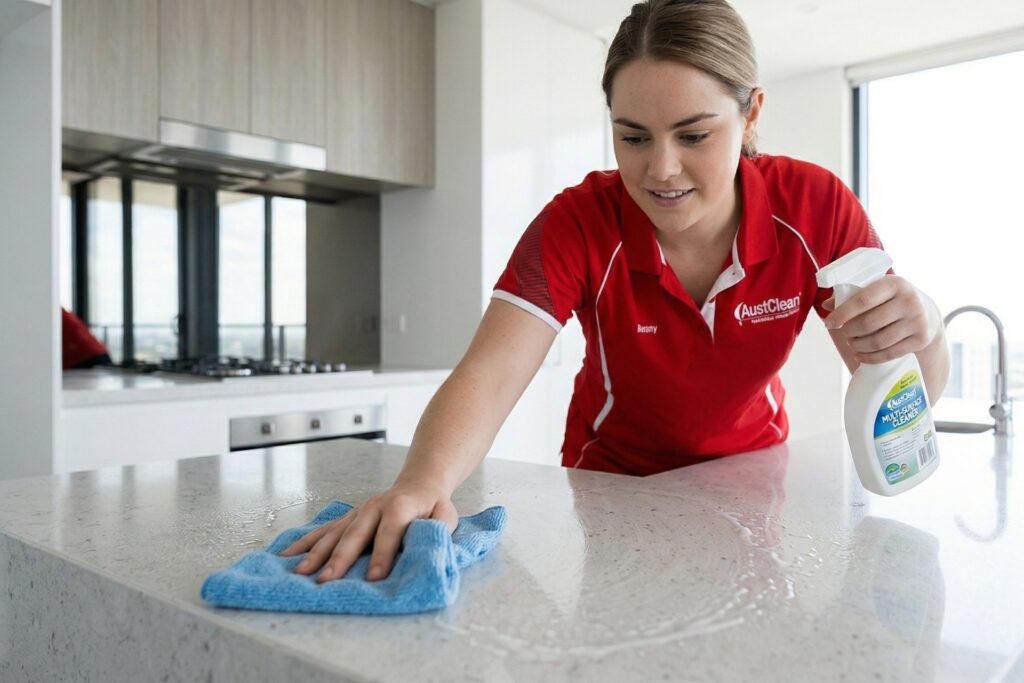
The kitchen is the first place a property manager looks, and it’s usually the most common reason for bond deductions.2 Grease is the enemy here, and it hides in places you’d never think to look.
The Oven and Cooktop
A standard end of lease clean must return the oven to a near-new state. This includes:
-
Internal Cavity: Removal of all burnt-on carbon and grease.
-
Racks and Trays: These must be soaked and scrubbed until they shine.
-
Glass Door: Cleaned inside, outside, and (if the model allows) between the glass panes.
-
Rangehood: This is a major inspection point. Filters must be degreased, and the internal housing and light covers wiped clean.
Cupboards and Surfaces
-
Inside and Out: Every shelf and drawer must be emptied and wiped clean of crumbs, dust, and spice spills.
-
Tops of Cupboards: Often neglected, but agents will check for that sticky layer of kitchen dust.
-
Sinks and Taps: Descaled, polished, and free of water spots.
Bathrooms and Laundry: Banishing Soap Scum and Mould
With Queensland’s humidity, bathrooms are prone to mould and stubborn soap scum. A vacate clean here is about sanitisation and “sparkle.”
-
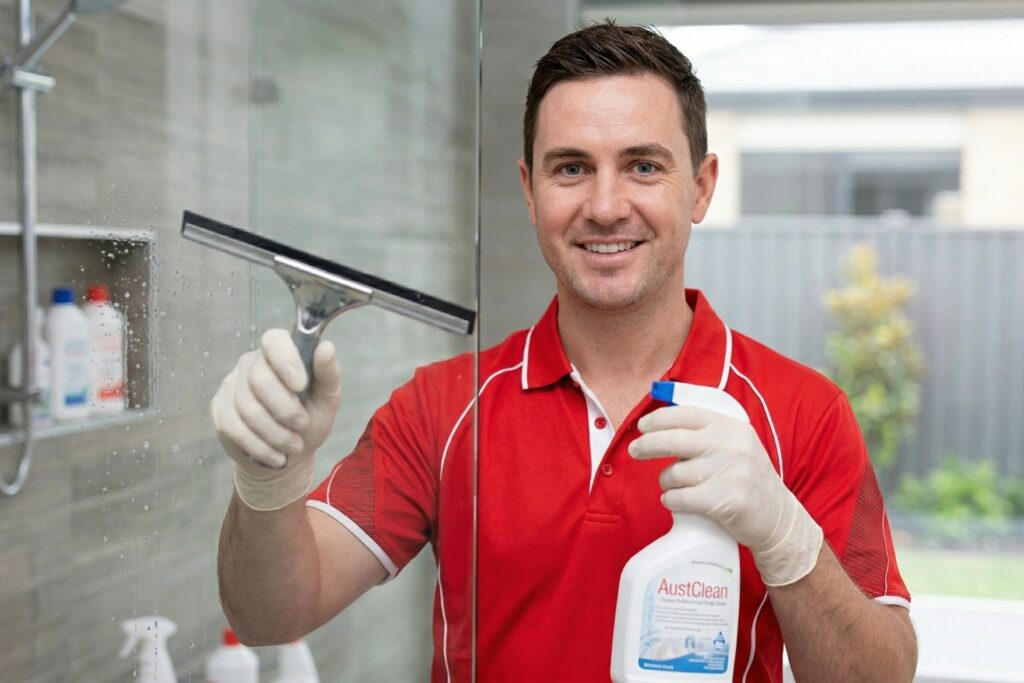
Shower Screens: Must be 100% transparent and free of cloudy soap scum or calcium buildup.
-
Grout and Tiles: Scrubbed to remove discolouration and any hint of pink or black mould.
-
Toilets: Disinfected inside and out, including the base, the pipes at the back, and the cistern.
-
Exhaust Fans: These are dust magnets. A professional clean includes removing the cover to vacuum and wipe the blades.
-
Laundry Tubs: Scrubbed clean, with taps polished and any lint removed from dryer filters (if provided).
General Living Areas and Bedrooms: The Details That Count
This is where the “fine-tooth comb” comes out. Property managers look for the details that regular cleaning often misses.
Walls and Skirting Boards
-
Spot Cleaning: All scuff marks, fingerprints, and “fly spots” should be removed. Note: If the walls are heavily marked, a full wall wash may be required.
-
Skirting Boards: These must be dusted and wiped. A quick vacuum isn’t enough; they need to be grime-free.
Windows and Tracks
-
The Glass: Cleaned inside and out (where safely accessible) to a streak-free finish.
-
The Tracks: This is the #1 missed item. Tracks must be vacuumed to remove grit, dead insects, and dirt, then wiped clean.
Light Fittings and Fans
-
Ceiling Fans: Every blade must be wiped, including the top edge.
-
Light Covers: Removed to clear out dead bugs and dust, then polished.
-
Switches and Plugs: Every light switch and power point must be wiped clean of fingerprints.
👣 Floors: Vacuumed, Mopped, and Beyond
In 2026, the standard for floors remains high.
-
Hard Floors: Swept and mopped with a focus on corners and under where furniture used to sit.
-
Carpets: While the RTA states you aren’t always required to professionally steam clean carpets unless specified (e.g., you had pets), many modern Queensland leases include this as a mandatory “special term.” A professional end of lease clean from AustClean often includes or offers carpet steam cleaning to ensure no stains are left behind.
Outdoor Areas and The Garage
If it’s under your lease, it’s under the microscope.
-
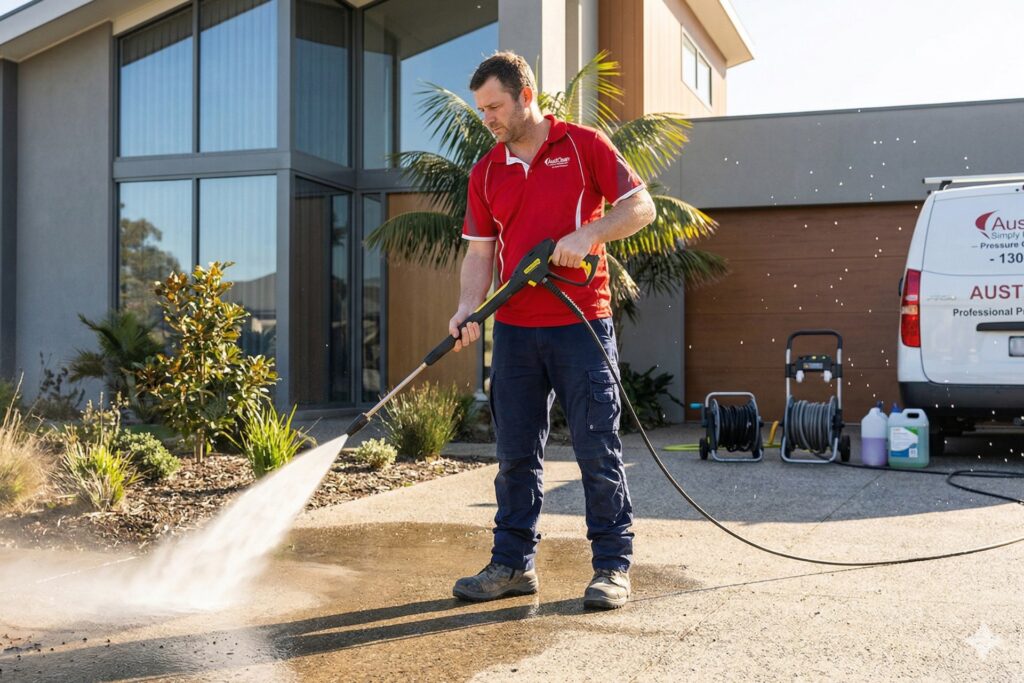
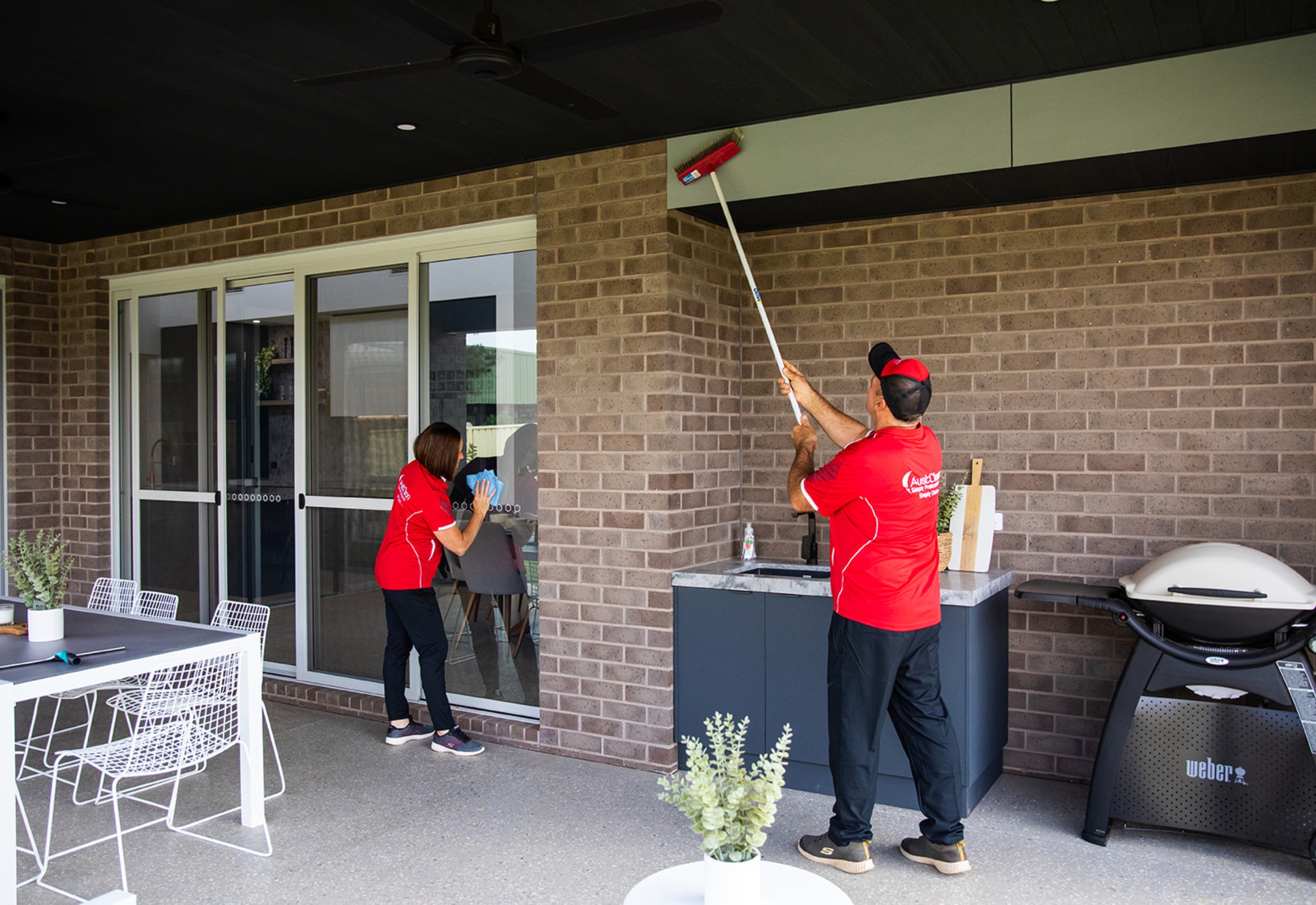
Patio and Balconies: Swept and mopped; cobwebs removed from eaves.
-
Garage: Swept thoroughly. Any significant oil stains should be treated with a degreaser.
-
Bins: Often overlooked, but the wheelie bins should be empty and hosed out.
End of Lease Cleaning Checklist Summary
| Room | Key Tasks Included |
| Kitchen | Oven (internal/external), rangehood filters, dishwasher filters, cupboards (inside/out), splashbacks. |
| Bathrooms | Shower screen descaling, grout scrub, toilet disinfection (front to back), exhaust fan cleaning. |
| Living/Bedrooms | Skirting boards, window tracks, ceiling fans, light switches, wardrobe mirrors and tracks. |
| General | Cobweb removal, spot cleaning walls, vacuuming and mopping all floors. |
| Add-ons | Professional carpet steam cleaning, external window washing, pressure cleaning. |
Fair Wear and Tear vs. Damage
It’s important to remember that you aren’t expected to return the property as “brand new.”
-
Fair Wear and Tear: Faded curtains from the sun, minor scuffs on a floor in a high-traffic area, or slightly worn carpet pile. This is the landlord’s responsibility.
-
Damage/Dirt: Burnt-on grease in the oven, mould in the shower, or a red wine stain on the carpet. These are not wear and tear, and they are why a deep clean is necessary.
According to the RTA Queensland guidelines, using a reputable, professional company can significantly reduce the risk of a bond dispute.
Q&A: End of Lease Cleaning
Q: “How much does a professional bond clean cost in Brisbane?”
A: In 2026, prices generally range from $250 to $850, depending on the size of the property and its condition. Factors like additional carpet cleaning or window washing will influence the final quote.19
Q: “What is the difference between a bond clean and a regular clean?”
A: A regular clean is maintenance; a bond clean is a deep restoration. It includes “hidden” areas like inside cupboards, oven interiors, light fittings, and window tracks that aren’t usually touched in a weekly service.
Q: “Do I have to hire a professional cleaner to get my bond back?”
A: No, you can do it yourself. However, you must meet the same high standard as a professional. If you miss a spot, the agent can request you return to fix it or hire their own cleaner and deduct the cost from your bond.
The AustClean Advantage
Moving is one of life’s most stressful events. Why spend your final 48 hours in a home scrubbing a rangehood filter with a toothbrush?
At AustClean, our local, police-checked operators take the burden off your shoulders. We understand exactly what Queensland property managers are looking for on that Exit Condition Report (Form 14a).
-
Trained Professionals: We know the “trouble spots” that lead to bond deductions.
-
Eco-Friendly Products: Tough on grime, safe for the next family (and your pets).
-
Bond-Back Guarantee: If your agent has a genuine cleaning concern, we return to rectify it at no extra cost.
Secure Your Bond Today
Don’t leave your thousands of dollars in bond money to chance. Whether you’re in Brisbane, the Sunshine Coast, or the Gold Coast, our teams are ready to help you move forward.