
Regular cleaning, spring cleaning and bond cleaning might sound similar, but they are designed for very different jobs. When you compare Regular Clean vs Bond Clean vs Spring Clean, the difference comes down to purpose, timing and how closely the result is checked.
Put simply:
-
A regular clean is routine upkeep.
-
A spring clean is a deep reset while you still live there.
-
A bond clean is an inspection‑grade end‑of‑lease clean checked against your entry condition report.
Choosing the wrong one can waste money, create stress and even put part of your bond at risk.
This guide explains what each service usually includes, when each is appropriate, and who it suits best. You will see how Regular Clean vs Bond Clean vs Spring Clean options stack up on scope, detail, time and cost, with clear examples for homes, rentals and small offices.
AustClean’s local teams across Queensland, Victoria and South Australia handle all three types of cleaning, using detailed checklists and quality equipment. Keep reading to match your situation to the right clean and avoid doing more work than you need.
Key Takeaways
-
The Core Purpose Of Each Type Of Clean
Each cleaning style has a different job. A regular clean focuses on day‑to‑day hygiene and tidiness while you live or work in the property. A spring clean does a deeper reset on built‑up areas. A bond clean is there to satisfy an agent or landlord at the end of a lease. -
How Scope And Detail Really Differ
Regular visits focus on obvious surfaces, floors and bathrooms, within a set time limit. Spring and bond services move furniture, clean inside cupboards and tackle grime in ovens, grout and window tracks. That heavier work also needs stronger products and more hours on site. -
When A Regular Clean Is Enough
A maintenance clean is ideal when the property is basically under control and you mostly need help staying ahead of dust and daily mess. It suits busy families, older residents and small offices. It also keeps later spring or bond cleans shorter and more affordable. -
When You Need A Spring Or Bond Clean Instead
If walls, fans, skirtings and appliances have not had attention for a while, a spring‑style deep clean is the better fit. When you are moving out and your bond is on the line, only a full bond clean is safe. That is where Regular Clean vs Bond Clean vs Spring Clean choices matter most. -
How AustClean Helps You Choose The Right Service
AustClean listens to what is happening with your property, then recommends regular, spring or bond options, or a mix of these. Local franchise owners use checklists that match Australian rental practice and real homes. That way you pay for the right level of work, not guesswork.
“The right clean at the right time saves more than money – it saves your weekends and your bond.” – AustClean field supervisor, Queensland
What Is The Difference Between A Regular Clean, Bond Clean And Spring Clean?
Understanding the difference between a regular clean, a bond clean and a spring clean is about purpose, timing and how fussy the finish must be. Regular Clean vs Bond Clean vs Spring Clean choices decide whether your home simply feels nice, looks freshly renewed, or passes an inspection.
According to guidance from RTA Queensland, end‑of‑lease cleaning must restore a rental to the cleanliness recorded on the Entry Condition Report, allowing for fair wear and tear. That legal benchmark is what separates a bond clean from the other two services.
Definitions Regular, Bond And Spring Cleans Explained
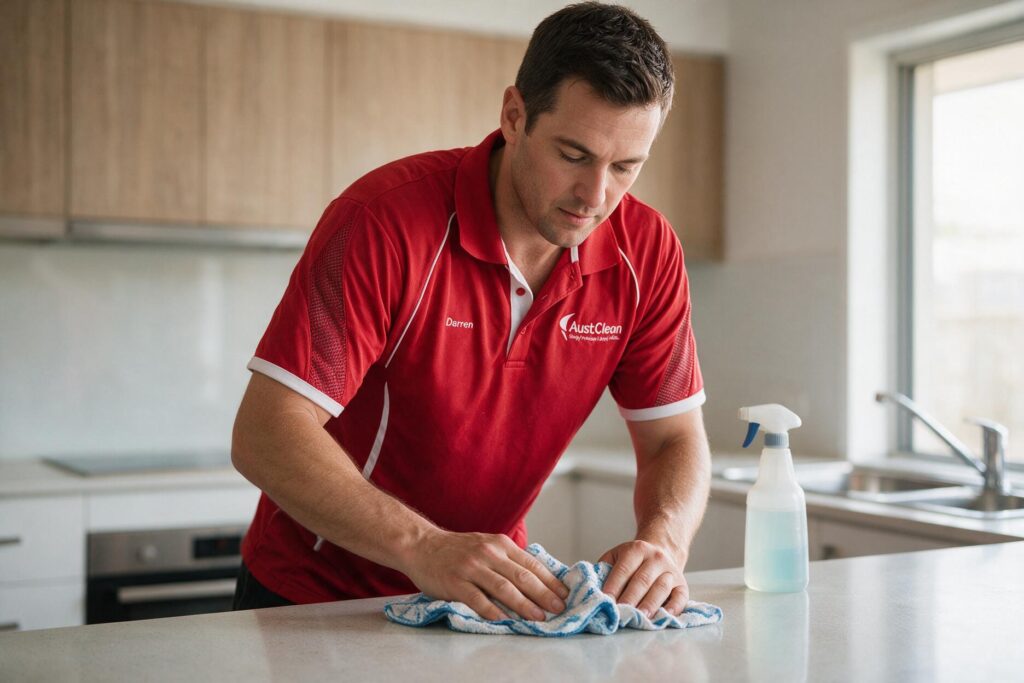
A regular house clean is ongoing maintenance. It covers things like vacuuming, mopping, wiping benches, bathroom basics and light dusting, usually on a weekly, fortnightly or monthly schedule. The aim is comfort and hygiene for people living or working in the space, not perfection in every corner.
A bond clean, also called end‑of‑lease cleaning or vacate cleaning in Australia, is a one‑off, inspection‑grade deep clean when a tenant moves out. Cleaners work to a checklist that includes inside cupboards, ovens, rangehoods, skirting boards, window tracks and more. The finish is judged by the property manager against the entry photos and report.
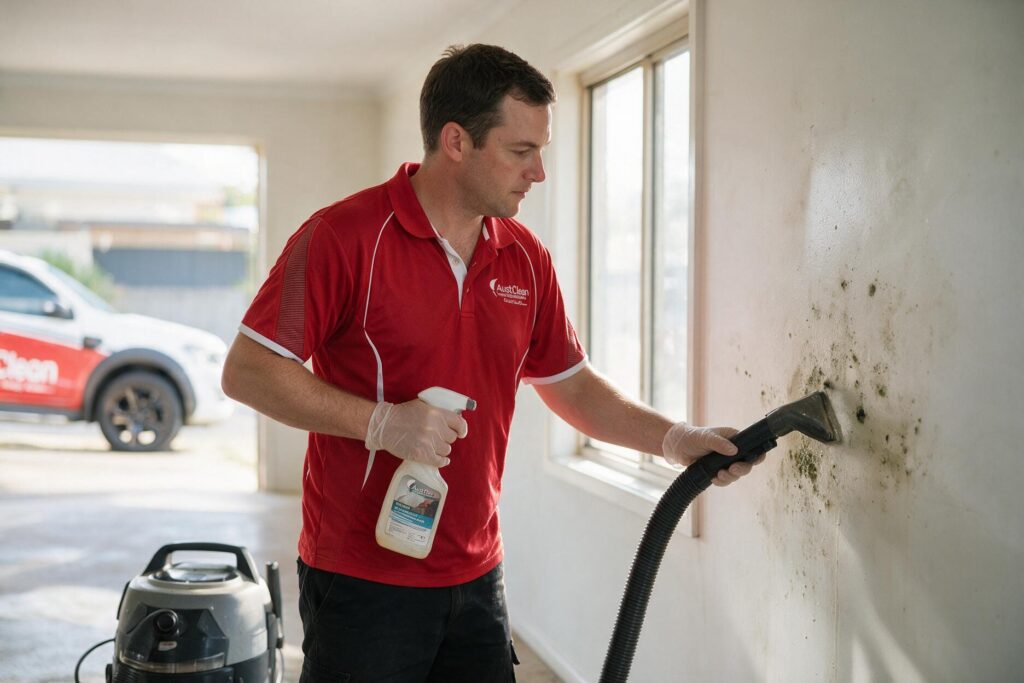
A spring clean is a deep periodic clean of an occupied property. It often happens once or twice a year, or before big events, and reaches areas that a regular service rarely has time for, such as walls, fans, under furniture and behind whitegoods. The goal is a near‑new feel, without tying it to a bond inspection.
So, regular cleans focus on comfort and basic hygiene in the areas you use every day. Spring and bond cleans target built‑up grime and detail, using more time and heavier gear. AustClean offers all three service types across Queensland, Victoria and South Australia for homes, rentals and small commercial spaces.
Quick Comparison Table For Purpose, Timing And Who It Suits
Here is how Regular Clean vs Bond Clean vs Spring Clean options compare at a glance.
| Type Of Clean | Main Purpose | Typical Timing Or Frequency | Best For | Standard Expected |
|---|---|---|---|---|
| Regular clean | Maintain everyday hygiene and appearance so the place feels pleasant and tidy. | Weekly, fortnightly or monthly while the property is in use. | Busy households, renters, NDIS clients, small offices and shops. | Presentable and sanitary, not checked item‑by‑item against a report. |
| Bond clean | Meet end‑of‑lease obligations and support a full bond refund. | Once per tenancy, just before keys are handed back. | Tenants moving out, landlords between tenants, property managers. | Inspection‑ready and aligned with the Entry Condition Report. |
| Spring clean | Reset the whole property to a high standard by removing hidden build‑up. | Every 6 to 12 months or before major events or seasons. | Homeowners, long‑term renters, holiday property owners. | Similar depth to a bond clean while the place is still lived in. |
What Does A Regular House Clean Include – And When Is It Enough?
A regular house clean covers routine tasks that keep a home or small office hygienic and pleasant without going into every corner each visit. In the Regular Clean vs Bond Clean vs Spring Clean line‑up, this is the lightest option and the one you book most often.
Research from Choice notes that many Australians feel short on time for domestic chores, which is why regular house cleaning is one of the first services people outsource. AustClean supports that need with recurring services across Queensland, Victoria and South Australia.
Typical Regular Cleaning Checklist In Australia
A standard regular clean in Australia focuses on high‑use areas and visible surfaces. Cleaners work within an agreed time, so the checklist is aimed at what makes the biggest difference day to day. The exact mix shifts a little from home to home, yet most visits include the same core tasks.
-
Floors
Regular floor care usually includes vacuuming carpets and rugs, plus sweeping and mopping hard floors in kitchens, living areas, hallways and bathrooms. This helps stop grit from scratching surfaces and keeps dust and pet hair under control. When floors stay cleaner, the whole house feels fresher. -
Surfaces
Cleaners wipe kitchen benches, tables and bathroom vanities, and dust accessible shelves, skirting and furniture — research on Life Cycle and Hygienic evaluation of cleaning protocols confirms that these routine surface tasks meaningfully reduce microbial load in occupied spaces. They also handle obvious fingerprints on doors or light marks when time allows. These simple steps reduce allergens and keep the home looking cared for between bigger jobs. -
Kitchen Basics
In most homes a regular clean includes wiping the stovetop, splashbacks and bench areas, plus the exterior of the fridge, oven and dishwasher. Bins are emptied and liners replaced. The goal is a hygienic food area, not a full degrease of the oven or heavy scrub of grout. -
Bathrooms
Toilets are cleaned and disinfected, basins and taps are wiped, and mirrors are polished. Showers and baths get a quick clean to remove fresh soap scum, rather than full limescale removal. Regular attention here keeps mould at bay and avoids very heavy scrubbing later. -
General Touches And Common Exclusions
Most regular services remove reachable cobwebs and may do a light tidy such as straightening cushions. Tasks often left out unless booked as extras include oven interiors, inside cupboards and drawers, window tracks, deep skirting work, detailed wall washing and moving heavy furniture. AustClean sets this scope clearly in advance and offers extra items as add‑ons when needed.
AustClean also arranges commercial‑style regular cleaning for offices and small businesses, following a similar pattern of floors, bathrooms, kitchens and touch points.
When Is Regular Cleaning The Right Choice?
Regular cleaning is the right choice when the property is basically under control, yet you do not want to spend your own weekends scrubbing. It suits people who want steady maintenance, not a full reset. Think of it as the foundation layer in the Regular Clean vs Bond Clean vs Spring Clean mix.
-
Busy Families And Time‑Poor Professionals
If sport runs, long shifts or family duties leave little energy for housework, a weekly or fortnightly service keeps things liveable. You can handle small wipe‑ups in between and leave the heavier work for the cleaner. Many AustClean clients in Brisbane, Melbourne and Adelaide fit this pattern.Example: A young couple in a two‑bedroom unit in South Brisbane work rotating shifts. A fortnightly regular clean that covers floors, bathroom and kitchen basics is enough to keep the place under control between their own spot cleans.
-
Renters Wanting To Stay Ahead Of Mess
Tenants often book regular visits to stop dirt from building up over the life of the lease. That habit makes any later bond clean faster and less costly. A regular clean alone will not meet end‑of‑lease standards, yet it can turn a huge bond job into a more manageable one. -
Small Offices And Clinics
Businesses with staff and clients benefit from regular bathroom, kitchen and floor attention for hygiene and presentation. According to IBISWorld, demand for contract cleaning in offices has grown as owners focus more on staff wellbeing. AustClean offers flexible schedules, from weekly to daily, for these workplaces.
Most homes do well with professional cleaning weekly or fortnightly and quick daily wipe‑downs by the people who live there. A spring clean every 6 to 12 months on top of that keeps those regular visits easy.
Tip: “Use your regular clean to cover the jobs you dislike most – that way you’re more likely to keep the rest of the house under control yourself.” – AustClean client survey, Queensland
What Does A Bond Clean Include, And When Do You Need One?
A bond clean is a detailed end‑of‑lease clean focused on satisfying the property manager or landlord so your rental bond is returned. Compared with Regular Clean vs Bond Clean vs Spring Clean options, this is the most intense and the one with legal weight.
Data in reports from RTA Queensland shows that cleaning, damage and rent are the most common reasons for bond disputes. A thorough bond back cleaning service is not about sparkle alone, it is about reducing that dispute risk.
Inside A Bond Clean Scope, Detail And Legal Expectations
A bond clean, or end‑of‑lease cleaning, aims to return the property to the same level of cleanliness recorded at the start of the tenancy, allowing for fair wear and tear. That standard is set by the Entry Condition Report and photos, not by how tidy the place looks at a glance. This is where bond cleaning vs regular cleaning is most obvious.
-
Kitchen Detail
The kitchen usually takes a large share of bond cleaning time. Cleaners degrease the oven inside and out, clean racks and trays, and scrub the oven door glass — scope and standards for this level of work are outlined in detail within the Perth Vacate Cleaning Reprot, a published reference for Australian vacate cleaning practice. Rangehood filters and casings are cleaned, stovetops and control knobs are detailed, and all cupboards and drawers are cleaned inside and outside. Benches, splashbacks and kickboards are scrubbed, and sinks and taps are descaled and polished. -
Bathrooms And Toilets
Showers are descaled with attention to glass, tiles and shower heads, and grout is scrubbed with mould treatments where needed. Baths are washed to remove rings and residue. Toilets are cleaned inside the bowl, under the rim and around the base. Vanities, basins, benches and cupboards are cleaned inside and out. Mirrors are left streak‑free and exhaust fans are wiped or washed. -
Bedrooms, Living Areas And Storage
Skirting boards, door frames and light switches are wiped throughout. Wardrobes, linen cupboards and other storage are cleaned inside, including tracks and shelves. Window sills and tracks are detailed, and built‑in shelving is dusted and wiped. Walls are spot cleaned where possible without damaging paint. -
Windows, Floors And Extras
Internal window glass is washed and tracks are cleaned. External windows may be included where they are safe to reach. All carpets and hard floors are vacuumed, and hard floors are mopped carefully. In many markets, such as bond cleaning Brisbane and other cities, professional carpet steam cleaning is expected when pets or heavy wear are involved. AustClean supplies itemised receipts for these services so tenants can show property managers clear proof.
Typical exclusions from a bond clean include repairs, unreachable external windows, permanent stains and damage that cannot be removed safely. AustClean follows RTA Queensland guidelines and similar standards in Victoria and South Australia, so the work lines up with what agents actually look for.
When Is A Bond Or End Of Lease Clean Essential In Australia?
A bond or end‑of‑lease clean is essential whenever you are handing a rental back and want the best chance of a full bond refund. Trying to rely on a last big regular clean is a common mistake in the Regular Clean vs Bond Clean vs Spring Clean decision.
-
Tenants Moving Out Of Houses Or Units
Whether you are leaving a share house in Brisbane, a city unit in Melbourne or a family home in regional South Australia, you are expected to return it as clean as at entry. Guidance from Consumer Affairs Victoria explains that landlords cannot force you to use a specific cleaner, yet they can expect that standard. Hiring a professional team such as AustClean is a way of managing that risk.Example: A family moving out of a four‑bedroom rental in Townsville after five years finds soap scum, oven grease and wall marks have built up. A thorough bond clean with carpets and internal windows gives them a realistic chance of getting most or all of their bond back.
-
Landlords And Property Managers Between Tenancies
If a tenant leaves the place below standard, a bond‑style deep clean is often needed before new tenants move in. Owners may claim the cost from the outgoing tenant where allowed. A clear bond cleaning checklist and receipts from a professional service help support those decisions. -
Cost And Timing Points
Bond cleaning cost in Australia depends on property size, condition, extras like carpets or pest treatment, and how urgent the booking is. Tribunal decisions referenced by RTA Queensland recommend leaving time for a revisit if the agent raises minor issues. Booking a bond clean 7 to 14 days before the final inspection, with AustClean coordinating keys and access, reduces last‑minute stress.
“Treat your bond clean like an insurance policy on your bond money – plan it, book it early and keep the receipt.” – Property manager, South‑East Queensland
What Is A Spring Clean, And How Is It Different From A Deep Clean Or Bond Clean?
A spring clean is a one‑off or occasional deep clean of an occupied property that targets areas regular visits miss. In the Regular Clean vs Bond Clean vs Spring Clean trio, it sits between routine maintenance and legal inspection work.
Many people use the terms spring clean and deep clean for the same concept, which is a heavier clean aimed at built‑up grime rather than daily crumbs. For holiday rentals and busy homes, this style of clean supports both comfort and property value.
According to guest review data shared by Airbnb, cleanliness is one of the most common themes in ratings for short‑stay accommodation, which shows how closely guests notice detail.
What Does A Spring Clean Typically Include?
Spring cleaning is a top‑to‑bottom deep clean carried out while you still live in the property or while it stays furnished. The scope is similar to a bond clean in many rooms, yet with more flexibility around personal items and storage. It is the big reset in the Regular Clean vs Bond Clean vs Spring Clean picture.
-
Detailed Surfaces And Walls
A spring clean includes everything in a thorough regular visit, plus wall washing or extensive spot cleaning where safe. Skirting boards, door frames and architraves are cleaned right around each room. This removes scuffs, fingerprints and dust that build up slowly. -
Windows And High Areas
Cleaners wash internal windows and often external glass where it is safe and part of the quote. Window tracks and sills are scrubbed. Ceiling fans, light fittings and exhaust fans within safe reach are wiped to clear dust and insects, which helps with both comfort and allergies. -
Behind Furniture And Appliances
Beds, sofas and light furniture may be moved so the floor underneath can be vacuumed and mopped. Where access allows, cleaners work behind fridges, washing machines and dryers to remove long‑standing dirt. These are tasks no regular service can cover every week. -
Kitchen And Bathroom Deep Work Plus Extras
Kitchens and bathrooms get attention similar to a bond clean, including oven and rangehood cleaning if requested — findings from Environmental Microbiological Sampling in civil settings show that deep cleaning of these high-use areas significantly reduces bacterial contamination compared with standard maintenance methods. Some clients add extras such as carpet or upholstery cleaning, or outdoor pressure washing. AustClean offers spring and deep clean packages that can include these options for homes and seasonal rentals.
The main difference between a spring clean and a deep clean is language rather than scope. Both terms describe one‑off intensive work beyond normal maintenance, and AustClean uses them interchangeably in many cases.
When Is A Spring Clean Worthwhile?
A spring clean is worthwhile whenever you feel regular tidying is no longer enough and the property needs a proper reset. It fills the gap between everyday cleaning and the demands of a bond inspection.
-
Owner‑Occupied Homes And Long‑Term Rentals
Many households book a spring clean once or twice a year, often before Christmas, after summer, or after renovations. This is a sensible rhythm for families with kids or pets, where grime creeps into corners and on to walls over time. A deep reset lets regular visits or your own weekly efforts run smoothly again.Example: A family in a three‑bedroom home on the Sunshine Coast has fortnightly regular cleaning. Twice a year they add a spring clean that includes walls, fans, oven and tracks. The house feels “brand new” again without the cost or pressure of an end‑of‑lease clean.
-
Holiday Rentals And Short‑Stay Properties
For holiday houses on the Sunshine Coast or city apartments used for short stays, a spring clean between busy seasons is vital. Guest turnover cleans handled by property managers are quick by necessity. Without periodic deep work on walls, tracks, soft furnishings and high spots, reviews tend to slide, as seen in studies highlighted by Airbnb. -
Practical Planning Tips
To get the best from a spring clean, declutter first, empty any cupboards you want cleaned inside and plan for pets or children to be out for the day. Regular Clean vs Bond Clean vs Spring Clean plans work best when this style of deep clean happens every 6 to 12 months, supported by lighter maintenance in between.
Tip: “If you’re embarrassed by the dust when you move the couch – it’s time for a spring clean.” – AustClean team leader, Sunshine Coast
Regular Clean Vs Bond Clean Vs Spring Clean How Do They Compare On Scope, Cost And Frequency?
Regular Clean vs Bond Clean vs Spring Clean choices differ on how much work is done in each visit, how often you book them, and what outcome you are aiming for. Regular cleaning is the lightest but most frequent, spring cleaning is deeper yet occasional, and bond cleaning is the most detailed and heavily checked.
Industry research from IBISWorld notes that both domestic and commercial cleaning demand in Australia keeps rising as people prefer to outsource these tasks. Understanding the three main types of clean helps you spend that money wisely.
Side By Side Comparison Table
This table brings together deep clean vs regular clean differences and where bond cleaning vs regular cleaning sits in the mix.
| Aspect | Regular Clean | Spring Clean Or Deep Clean | Bond Clean |
|---|---|---|---|
| Purpose | Keep the property tidy and hygienic for everyday living or work. | Reset the whole property and remove built‑up grime. | Meet end‑of‑lease obligations and protect the rental bond. |
| Scope And Detail | Surfaces, floors, bathroom and kitchen basics within a set time. | Everything in a regular clean plus walls, skirtings, fans, windows, behind furniture and inside selected cupboards. | Checklist covering kitchens, bathrooms, walls, skirtings, cupboards, windows, tracks and often carpets. |
| Time Involved | Short, regular visits such as 1.5 to 3 hours depending on size. | Longer one‑off visit or team visit, often half a day or more. | One full day or more with a team for a standard house. |
| Typical Frequency | Weekly, fortnightly or monthly. | Every 6 to 12 months or before special events. | Once per tenancy, just before final inspection. |
| Who It Suits | Busy households, older residents, small offices. | Homeowners, long‑term renters, holiday property owners. | Tenants moving out, landlords and property managers. |
| Common Extras | Oven interior, inside fridge, extra windows. | Carpets, upholstery, outdoor pressure cleaning. | Carpet steam cleaning, pest treatment, external windows and garages. |
Regular cleans have the lowest cost per visit because they are shorter and less detailed, yet they are recurring. Spring and bond cleans cost more per job, but they are booked far less often and cover more ground.
How To Choose The Right Type Of Clean For Your Situation
Choosing between Regular Clean vs Bond Clean vs Spring Clean comes down to whether you are staying, resetting or moving out. Once you know your goal, the best option is usually clear.
-
Staying Put But Feeling Overwhelmed
If you plan to stay and the property feels out of control, start with a spring clean to deal with walls, skirtings, fans and hidden grime. Then move to a regular cleaning service so things stay manageable. AustClean often sets up this pattern for families across Queensland, Victoria and South Australia. -
Coming Up To The End Of A Lease
When your lease is ending, you need a bond clean, not just a longer regular visit. That means a checklist matched to local tenancy expectations, along with receipts for carpets and other key items — Commercial Cleaners Melbourne: Elevate your workplace research on Zenodo highlights how structured checklists and documented service receipts support dispute resolution in Australian tenancy and commercial cleaning contexts. Guidance from RTA Queensland and other state bodies makes clear that cleaning standards are a common dispute point, so a proper bond clean is sensible risk management. -
Generally Tidy But Short On Time
If the home is in decent shape and you mainly want your weekends back, book a regular house cleaning service. Add a spring clean once a year for a deeper reset. For small businesses, the same idea applies, with regular office cleaning plus an annual deep clean for carpets and windows. -
Preparing For Sale Or New Long‑Term Tenants
When a property is changing hands or moving to a new long‑term rental, a spring or bond‑style deep clean with carpets and windows included gives the best first impression. This is where a provider like AustClean, with trained staff, detailed checklists and quality equipment, really helps match the clean to the occasion.
“Don’t treat these services as interchangeable. Regular, spring and bond cleans each have a different job – use the right one and the rest becomes much easier.” – AustClean operations manager, Queensland
Putting It All Together
Regular, spring and bond cleans may all involve mops, vacuums and spray bottles, yet the reasons you book them are quite different. Regular Clean vs Bond Clean vs Spring Clean choices affect your comfort, your wallet and sometimes your bond outcome.
-
Regular cleaning keeps everyday mess under control so homes and offices feel pleasant.
-
Spring cleaning resets the whole property by attacking stubborn grime and forgotten corners.
-
Bond cleaning is the inspection‑grade option linked to tenancy rules and entry reports.
From a long‑term view, many Australians get the best results by combining these services. That might mean fortnightly regular visits, a spring clean once or twice a year, and a focused bond clean when moving on. According to RTA Queensland, clear cleaning standards and records make bond outcomes smoother for everyone.
Conclusion
Knowing the difference between Regular Clean vs Bond Clean vs Spring Clean helps you avoid overpaying, under‑cleaning or risking part of your bond. Regular services handle day‑to‑day hygiene, spring cleans refresh the whole space, and bond cleans satisfy agents and landlords at exit.
AustClean’s local teams across Queensland, Victoria and South Australia bring trained staff, detailed checklists and quality equipment to each of these services. For a free quote and practical advice on which clean fits your home or rental, contact AustClean and speak with a local cleaner who can recommend the right service for your situation.
Not Sure Which Cleaning Service Is Right for You?
Whether you need regular home cleaning, a thorough spring clean or an inspection-ready bond clean, AustClean can recommend the service that best suits your property, lifestyle and budget. Our experienced local teams provide tailored cleaning solutions that save you time, reduce stress and deliver consistently professional results.
Request your free, no-obligation quote today and let us help you choose between a Regular Clean vs Bond Clean vs Spring Clean based on your specific needs. With trusted teams across Queensland, Victoria and South Australia, AustClean uses detailed checklists, quality equipment and environmentally responsible products to ensure your home or workplace receives exactly the level of cleaning it needs.
Contact AustClean today to book the right cleaning service and enjoy a cleaner, healthier, stress-free property.
Frequently Asked Questions
Question: What Is Included In A Professional Bond Clean In Australia?
Answer: A professional bond clean in Australia usually covers full kitchen detail, bathrooms, internal windows, spot cleaning of walls, skirting boards, inside cupboards and thorough floors. It is checked against the Entry Condition Report and follows guidance from bodies such as RTA Queensland. AustClean can also arrange end‑of‑lease carpet cleaning where required by agents.
Question: How Much Does Bond Cleaning Cost Compared To A Regular Clean?
Answer: Bond cleaning costs more per visit than a regular clean because it takes longer and includes detailed tasks such as ovens, tracks and cupboards. Prices depend on property size, condition, extras like carpets or pest control, and location. Regular cleans are cheaper per visit but ongoing. Getting an itemised quote from AustClean helps you see exactly what is covered.
Question: Do I Need A Spring Clean If I Already Have A Regular Cleaner?
Answer: You still benefit from a spring clean even if you have a regular cleaner. Regular visits focus on surfaces, floors and bathroom basics, while a spring clean tackles behind furniture, walls, tracks and heavy limescale. Booking a spring or deep clean once or twice a year with AustClean supports your regular routine and keeps standards high.
Question: Can A Regular Clean Turn Into A Bond Clean If The Property Manager Isn’t Happy?
Answer: A standard regular clean usually will not meet bond inspection standards on its own. Bond jobs need extra time for cupboards, ovens, tracks and detailed bathrooms. Trying to upgrade a regular visit at the last minute often leads to stress and extra cost. It is wiser to book a dedicated bond clean with AustClean when you know the lease is ending.
Question: How Often Should I Book A Professional Cleaner For My Home?
Answer: Many busy homes choose weekly or fortnightly professional cleaning, while quieter or smaller homes may be happy with monthly visits. A spring or deep clean every 6 to 12 months helps reset the property, especially with kids, pets or allergies. AustClean can adjust schedules across Queensland, Victoria and South Australia to match your lifestyle and budget.
Question: Is Professional Cleaning Worth It For Small Units Or Apartments?
Answer: Professional cleaning can be very worthwhile even for small units or apartments. In compact spaces, clutter and grime feel more intense and can be harder to manage around busy work hours. Regular or one‑off visits save time and reduce stress, especially for older residents. AustClean services everything from studio units to large family homes with flexible visit lengths.
For personalised advice on Regular Clean vs Bond Clean vs Spring Clean for your home, unit or rental, get in touch with AustClean and chat with your local team about the best option.