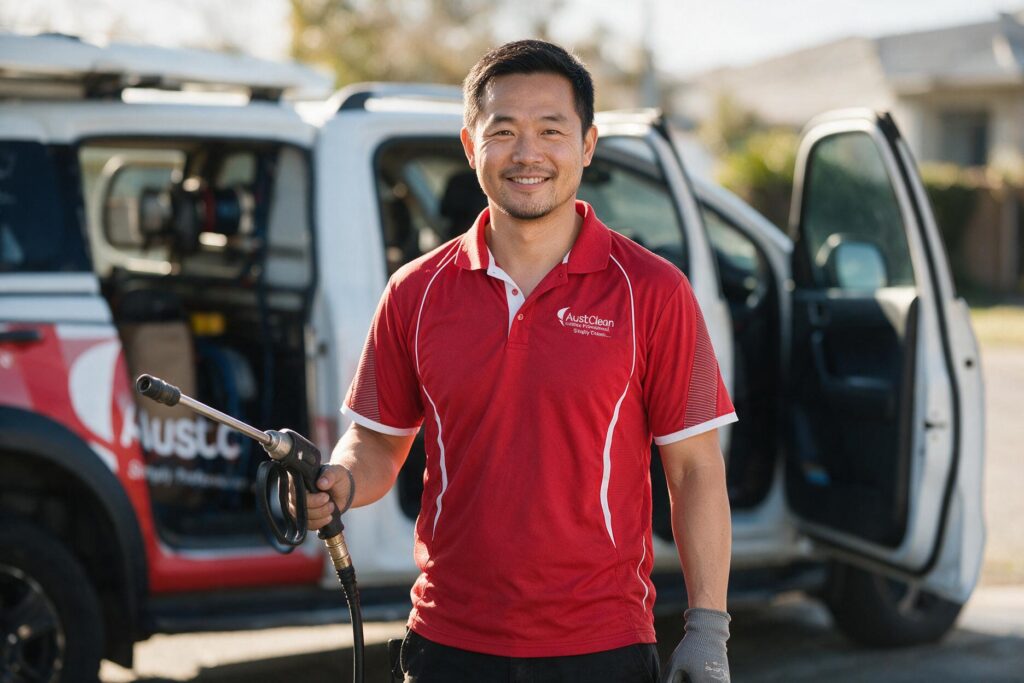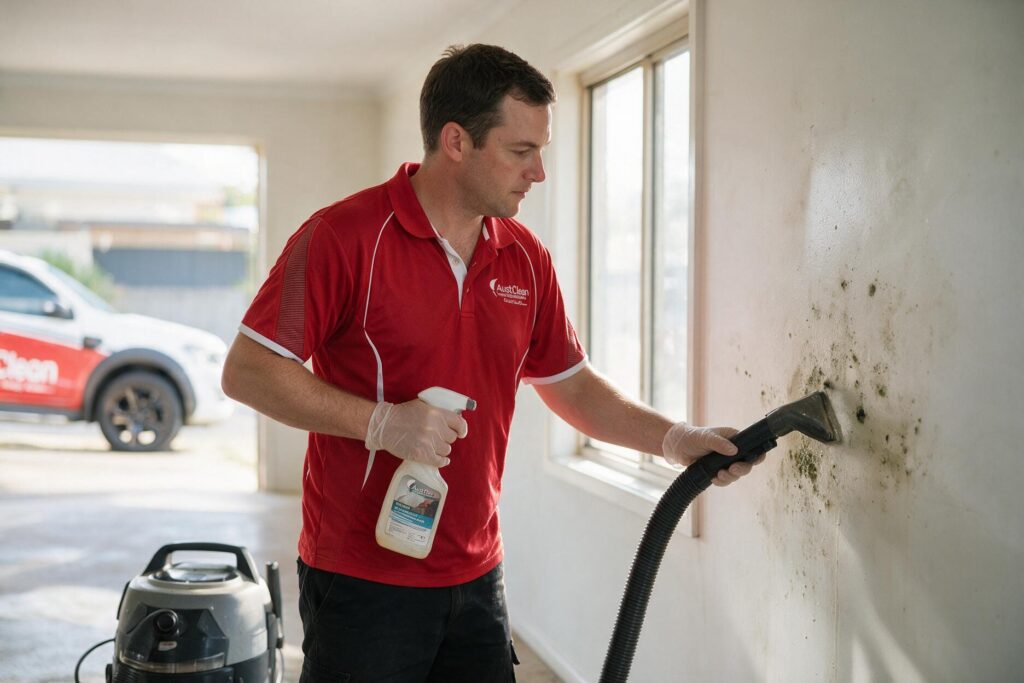
A Cleaning Franchise in Australia can be a lower-overhead business model because it usually operates as a mobile service rather than a fixed shopfront. Instead of paying rent, fit-out costs and large staffing expenses from day one, franchise owners can often start from home with equipment, a vehicle, training and support from an established brand like AustClean.
Jump to section
- Introduction
- Why Is A Cleaning Franchise Often A Lower-Overhead Business?
- What Costs Does A Cleaning Franchise Avoid Compared With Brick-And-Mortar Businesses?
- How Do Day-To-Day Operating Costs Stay Lower In A Cleaning Franchise?
- How Does The Cleaning Franchise Model Support Cashflow And Scalability?
- Why Choose A Low-Overhead Cleaning Franchise Like AustClean In Australia?
- Ready To Explore Whether A Cleaning Franchise Is Right For You?
- Frequently Asked Questions
Introduction
Owning a Cleaning Franchise in Australia is often seen as a lower-overhead option because it runs as a mobile service, not a shop. You usually work from home, use a vehicle and equipment, and buy only the products you need for booked jobs. That keeps fixed costs like rent, large fit-outs and full-time wages much lower than a café, restaurant or gym.
That cost difference feels very real when you move from a steady wage into your own cleaning business. Large monthly bills for premises and staff can drain savings quickly if sales start slowly or the local market shifts.
This article explains how the Cleaning Franchise business model works in Australia, why overheads are often leaner than brick-and-mortar franchises, and where the main costs still sit. You will also see how AustClean structures its franchise system, from training and marketing to group buying power, so you can decide whether this style of service-based franchise suits your goals.
Key Takeaways
Here is a quick snapshot of why many people view a Cleaning Franchise as a low overhead business model in Australia. Keep these points in mind as you compare different franchise business opportunities.
-
Lower Overheads Than Retail And Hospitality
Food and retail outlets pay rent and utilities every single day. They also need more staff to cover long opening hours and peak times. A Cleaning Franchise usually avoids that pressure because work happens at client sites during scheduled visits. -
Mobile, Home Based Business Structure
Most cleaning franchise owners run the office side of the business from home. They store gear in a garage or small shed and use a car or trailer for travel. That flexibility removes the need for a main street lease or office fit-out. -
Simple Equipment And Minimal Stock Requirements
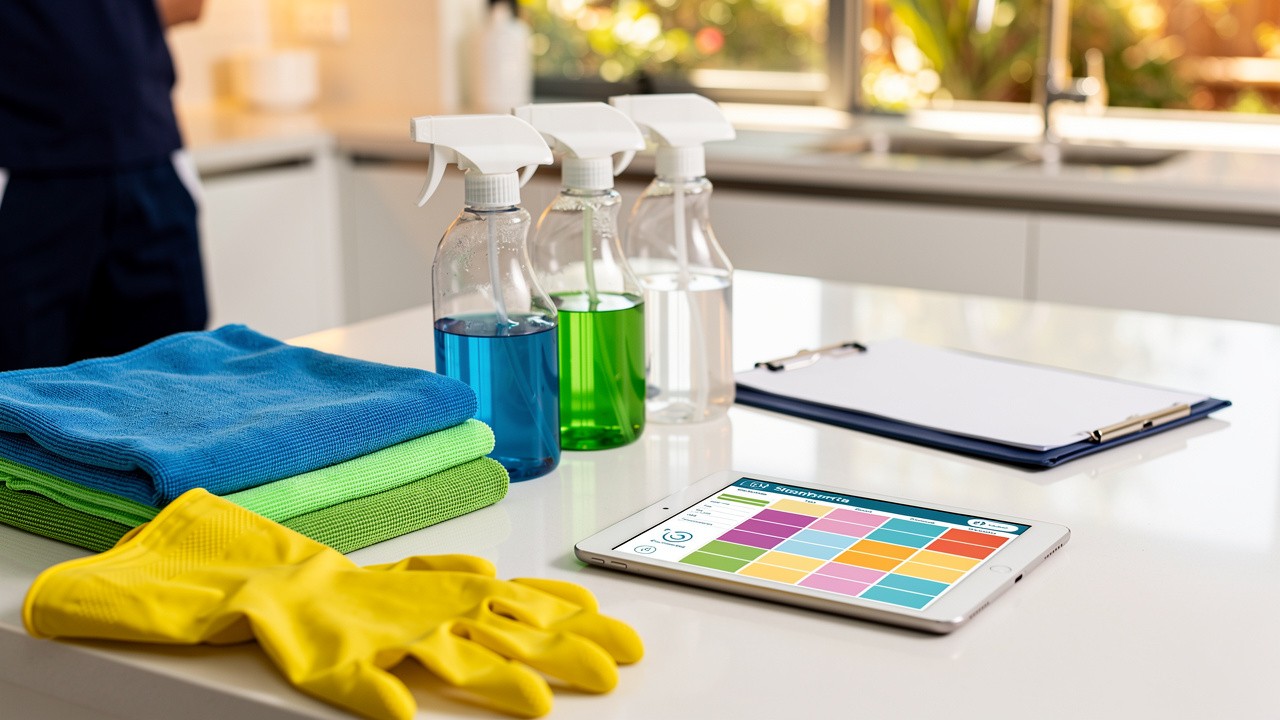
A commercial cleaning franchise relies on vacuums, cloths, mops and proven chemicals rather than complex machinery. Products are long life and easy to store in small quantities. Cash is not tied up in large or perishable stock the way it is in cafés or retail. -
Flexible Staffing And Scalable Operations
Many franchisees start as solo operators or couples to keep payroll low. As regular contracts build, they add casual or part-time cleaners. Overheads rise gradually with revenue instead of jumping on day one. -
Support, Training And Group Buying Power With AustClean
AustClean provides structured training in cleaning skills, quoting and business systems so you do not have to work everything out alone. The brand negotiates pricing with major suppliers, which helps lower equipment, chemical and insurance costs. Marketing support and a central booking system also reduce the money and time you spend chasing work.
Why Is A Cleaning Franchise Often A Lower-Overhead Business?
A Cleaning Franchise is often a lower-overhead business in Australia because it runs as a mobile service with very few fixed premises costs. Compared with cafés, salons or gyms, the model relies more on labour and vehicles than on rent and expensive shopfronts.
Instead of paying for a busy street frontage, you travel to homes, offices and industrial sites at booked times. Vehicles, equipment, insurance and franchise fees form the main ongoing costs, and these usually scale with how many clients you service. Research from IBISWorld shows that commercial cleaning services in Australia generate several billion dollars in revenue each year, much of it delivered by mobile operators rather than large fixed facilities.
For someone buying a cleaning business in Australia, that structure matters. Lower fixed overheads can ease early cashflow pressure and give you room to build a base of regular clients before you decide to hire staff or add extra vehicles.
Understanding Overheads In A Service-Based Franchise
In simple terms, overheads are the costs you keep paying even if work slows down. Think of rent, utilities, long-term leases, full-time salaries and large loan repayments. These bills arrive whether you clean ten homes a week or none.
A service-based franchise like a Cleaning Franchise usually carries fewer of these fixed expenses than a café or retail store. Many owners start from home with just one vehicle and a kit of professional gear. Overheads still exist, such as vehicle repayments, fuel, insurance, equipment, franchise fees and basic admin costs, but they are usually smaller and more controllable.
Here is a basic comparison.
| Cost Category | Café Or Retail Store | Mobile Cleaning Franchise |
|---|---|---|
| Premises | Main street lease plus outgoings | Home office or small storage area |
| Fit-Out | Expensive counters, plumbing, décor, approvals | Sign-written vehicle and basic storage |
| Utilities | High power, water and waste for long trading hours | Modest home utilities plus fuel for travel |
| Staff Numbers | Multiple staff to cover shifts | Often owner-operator, then small team as work grows |
| Stock Or Inventory | Perishable food or fashion stock, risk of wastage | Long life chemicals and consumables bought to match jobs |
| Equipment | Cooking gear or display fixtures | Vacuums, mops, cloths, carpet or pressure cleaning machines |
Lean overheads do not remove risk, but they can make the early months of a Cleaning Franchise less stressful than a large brick-and-mortar fit-out.
What Costs Does A Cleaning Franchise Avoid Compared With Brick-And-Mortar Businesses?
A Cleaning Franchise often avoids several of the biggest cost categories that worry new business owners, especially rent, complex fit-outs and large stock holdings. This is one reason many Australians compare it favourably with cafés, takeaway outlets, gyms or retail shops.
Premises are usually the largest fixed bill for customer-facing businesses. Initial rent bonds, legal fees and fit-outs can stretch into six figures before the doors even open. According to guidance on business.gov.au, rent, utilities and wages commonly sit among the largest ongoing costs for small food and retail operators, which makes slow months very stressful.
By contrast, a franchise cleaning company focuses spending on income-producing assets such as equipment and a sign-written vehicle. Stock is limited to cleaning chemicals and consumables that do not spoil quickly. That keeps less cash locked in shelves and more available for marketing, fuel and wages.
Premises, Fit-Out And Stock Where The Big Savings Can Be
Most Cleaning Franchise owners in Australia run the admin and planning side of the business from home. A garage, spare room or small storage unit often replaces a shop or office lease. This simple setup removes rent, outgoings and fit-out costs that many brick-and-mortar franchisees face for years.
A retail or food franchise might need flooring, counters, plumbing, specialist equipment, seating, signage and council approvals before opening. A cleaning business franchise usually needs a sign-written car or trailer, professional vacuums, mops, cloths, chemicals and safety gear. Cafés and food outlets also fill cool rooms with perishable stock that can go to waste. Cleaning products, by comparison, have long shelf lives and are ordered around booked work.
AustClean goes a step further by wrapping key items into a fixed franchise package. The company states that an AustClean cleaning franchise opportunity is currently priced at $46,000 plus GST, which includes a sign-written trailer, more than 100 pieces of high-end equipment, full uniforms, business training and an initial marketing allowance. That structure reduces guesswork and costly trial and error on tools and supplies.
“One of the biggest advantages of a mobile cleaning franchise is that your money goes into income-producing assets, not shopfronts,”
— AustClean Franchise Support Team
How Do Day-To-Day Operating Costs Stay Lower In A Cleaning Franchise?
Day-to-day operating costs in a Cleaning Franchise tend to stay lower because many of them are variable rather than fixed. You spend more on fuel, chemicals and wages when you complete more jobs, and less when work is lighter. In contrast, a shop keeps paying the same rent, utilities and many wages regardless of daily sales.
Major recurring expenses in a cleaning service franchise include fuel and vehicle maintenance, cleaning products, insurance, phone and data, and franchise service fees. When you plan routes well and keep client density high inside your territory, these costs can stay predictable and in line with income. AustClean helps franchisees with scheduling tools and job management systems so travel time and unpaid gaps between jobs are reduced.
Managing Fuel, Insurance And Supplies In A Mobile Cleaning Business
In a mobile commercial or residential Cleaning Franchise, fuel and vehicle costs usually sit near the top of the expense list. Regular servicing and smart route planning keep breakdowns and wasted travel to a minimum. Many franchisees group jobs within suburbs or business parks so they spend more time on the mop and less behind the wheel.
Cleaning chemicals and consumables such as cloths, mop heads and rubbish bags are another steady cost. Because usage links directly to booked work, you can track these items as a percentage of revenue and adjust pricing when supplier costs rise. AustClean uses group buying power with major suppliers so franchisees often pay less per litre or item than independent cleaners.
Insurance is the third key pillar, covering public liability, vehicles and workers compensation if you hire staff. Phone plans, simple accounting software and job scheduling tools add to running costs but help you keep records tidy and cashflow visible. AustClean provides training on quoting, invoicing and basic financial management so you stay on top of these overheads and protect margins.
To keep daily costs under control, many successful franchisees:
-
Plan work in tight geographic clusters
-
Track fuel and chemical use as a percentage of revenue
-
Service vehicles on schedule to avoid bigger repairs
-
Review prices annually against wage and supplier movements
How Does The Cleaning Franchise Model Support Cashflow And Scalability?
The Cleaning Franchise model supports cashflow because much of the work is recurring and scheduled in advance. Regular home cleaning, office cleaning and contract work for property managers can build a predictable base of income that covers fixed costs each month.
At the same time, the model is highly scalable. You can start small as an owner-operator and then add staff, vehicles and extra services as demand grows inside your territory. Overheads rise step by step rather than through a single large leap on day one, which gives many first-time business owners more confidence.
Recurring Work, Flexible Staffing And Territory Growth
Recurring revenue streams sit at the heart of a strong cleaning business in Australia. Many franchisees build a mix of:
-
Weekly or fortnightly home cleans through a residential cleaning franchise model
-
Office and strata contracts outside business hours as part of a commercial cleaning franchise offering
-
Regular bond or end-of-lease work from real estate and property management agencies
This blend can smooth seasonal dips and make it easier to budget for expenses like insurance, franchise fees and equipment replacement.
Staffing is flexible in a Cleaning Franchise. You might begin as a solo operator, then add casual or part-time cleaners as your calendar fills. The extra overhead for a second team is far smaller than opening a second store, because you mainly add wages, some extra equipment and possibly another vehicle. According to the Franchising Australia surveys from Griffith University, and reinforced by the 2025 annual franchisor survey data, many service brands rely heavily on repeating clients rather than walk-in trade, which supports this steady growth pattern.
Within AustClean, each franchise partner receives an exclusive territory. That structure helps you build a loyal local client base without internal competition, then consider extra teams or even neighbouring territories once systems and cashflow feel solid.
Tip: Treat your first year as the time to build strong recurring work rather than chasing one-off jobs only. Recurring clients are what make a low overhead business feel stable.
Why Choose A Low-Overhead Cleaning Franchise Like AustClean In Australia?
Choosing a low-overhead Cleaning Franchise like AustClean in Australia can give you a more accessible path into business ownership. You benefit from the lean, mobile nature of cleaning work while also drawing on a proven business model, trusted brand and ongoing support.
AustClean focuses on both residential and commercial cleaning, so franchisees can service home cleaning, office cleaning franchise work, bond cleans, carpet cleaning and more under one banner. The head office team provides technical training, business systems coaching and marketing support, including a central booking system that directs leads to local owner-operators. That structure can shorten the time between buying your franchise and building a regular client base.
Regulation matters as well. The Franchising Code of Conduct, overseen by the ACCC, requires franchisors to give you at least 14 days to review the disclosure document, franchise agreement and the Code before signing. The Code also provides a minimum 14-day cooling-off period after you enter a new franchise agreement. These protections, combined with AustClean’s established processes, give you time and information to weigh franchise costs and overheads carefully.
What To Look For In A Low-Overhead Cleaning Franchise Opportunity
When you compare a cleaning franchise opportunity, start by checking what is included in the initial fee. Look for clear detail about equipment, uniforms, training and any marketing allowance, not just a headline number. AustClean, for example, outlines its package in detail, including gear, trailer, uniforms, training and launch marketing.
Next, review ongoing royalties and marketing levies and whether they are fixed or percentage based. You want to understand how these fees interact with your own overheads for fuel, insurance and staff. AustClean positions itself as a low-overhead franchise business, with service fees that support ongoing training, marketing and system updates.
Ask whether the business is home based or requires a leased premises. A genuine low-cost franchise in Australia usually allows you to start from home, with the option to add a small depot later if you choose. AustClean franchises are designed around this mobile, home-based model.
Finally, confirm whether you receive an exclusive territory and structured help to build recurring clients. Group buying power on supplies, strong marketing support and a supportive peer network all help keep costs under control. Whatever brand you consider, get independent legal and financial advice, study the disclosure document and speak with current franchisees about real-world expenses and lifestyle.
“Before you sign anything, make sure you can see how the franchise’s overheads work in good months and quiet months. Cashflow planning is just as important as cleaning skills.”
— Independent Franchise Accountant (general industry advice)
Ready To Explore Whether A Cleaning Franchise Is Right For You?
A Cleaning Franchise can give Australians a way into business ownership without the heavy fixed costs of a café, restaurant, retail store or gym. Lower overheads from home-based operations, modest fit-outs and lean stock levels can make the numbers easier to live with, especially in the early months. Regular residential and commercial clients then help cover the remaining fixed costs.
Overheads still exist of course. Vehicle repayments, fuel, chemicals, insurance, equipment replacement and franchise fees all need to be planned for. The difference is that many of these costs move in step with revenue, and you choose when to add staff or extra vehicles. That flexibility appeals to first-time business owners, couples and investors who want control over how fast their cleaning business grows.
AustClean brings extra structure to this low-overhead model. With over 30 locally operated franchises, established marketing systems, group purchasing and thorough training, the brand combines national backing with local owner accountability. If you are weighing franchise business opportunities in Australia, it is worth comparing the overhead profile of an AustClean territory with other concepts on your shortlist.
Take time to reflect on your goals, risk comfort and preferred work style. Download the AustClean franchise prospectus, book a confidential chat with the team and prepare your own cashflow forecasts. With good advice and clear numbers, you can decide whether owning a Cleaning Franchise is the right next step for you.
Frequently Asked Questions
This section answers common questions about starting a Cleaning Franchise in Australia, with a focus on overheads and support. Each answer stands alone so you can skim straight to what matters for your decision.
Question What Are The Typical Startup Costs For A Cleaning Franchise In Australia?
Startup costs for a Cleaning Franchise usually include the franchise fee, equipment kit, sign-written vehicle or trailer, initial stock, training and working capital. AustClean currently prices its cleaning franchise opportunity at $46,000 plus GST, including trailer, more than 100 items of equipment, uniforms, business training and an initial marketing allowance. Always check the latest prospectus and disclosure documents for up-to-date figures, and speak with your adviser about extra startup costs such as a vehicle, insurances and working cash.
Question Do I Need To Lease A Shop Or Office To Run A Cleaning Franchise?
You generally do not need to lease a shop or office to run a Cleaning Franchise in Australia. Most systems, including AustClean, are designed to be home based, using a vehicle and small storage area. That setup saves rent, utilities and fit-out costs, although some owners later choose a small depot once they manage larger teams.
Question Is A Cleaning Franchise Really Lower Risk Than Other Franchise Types?
A Cleaning Franchise can have lower financial pressure than some other franchise types because fixed overheads are smaller and more flexible. Cleaning demand from homes, offices and property managers tends to continue even when other spending slows. Risk still exists though, so build conservative cashflow forecasts and get independent legal and financial advice instead of relying on marketing material or informal opinions.
Question Can I Start As A Solo Operator And Then Build A Team?
Yes, many Cleaning Franchise owners start as solo operators and then build a team. Starting alone lets you learn the work, test your territory and protect cashflow while overheads stay lean. As your regular client base grows, AustClean provides coaching on hiring, training and managing staff so you can add people and vehicles with confidence.
Question What Ongoing Fees Should I Expect In A Cleaning Franchise?
Most cleaning franchises charge ongoing royalties or service fees plus a marketing levy. You will also face regular costs for insurance, fuel, vehicle maintenance, chemicals and consumables, equipment replacement, phone, data and accounting. AustClean outlines its fee structure in the disclosure document, which you should use when building your own cashflow forecasts and break-even analysis.
Question How Much Business Support Do Cleaning Franchisees Get From AustClean?
AustClean franchisees receive thorough initial training in cleaning techniques, quoting, invoicing and use of the AustClean Data Management system. Ongoing support includes business coaching, educational resources, access to a dedicated support team and national marketing that funnels leads through a central booking system. Franchisees also benefit from a peer network of other AustClean operators across Queensland, Victoria and South Australia, which is especially valuable for first-time business owners learning the ropes of a cleaning business in Australia.