Commercial cleaning on a budget helps Australian small businesses keep their workplace clean, hygienic and professional without wasting money on unnecessary services. For offices, shops, cafés, clinics and warehouses, the smartest approach is to prioritise high-use areas, combine simple daily staff tasks with targeted professional cleaning, and build a schedule that matches real foot traffic.
Instead of cutting corners, budget-friendly commercial cleaning is about spending wisely. Restrooms, staff kitchens, floors, customer-facing areas and high-touch surfaces should always come first, while lower-priority tasks can be scheduled weekly, monthly or seasonally. With a clear plan and support from a professional cleaning team like AustClean, small businesses can protect staff health, improve customer impressions and control cleaning costs at the same time.
Jump to section
- Commercial Cleaning On A Budget For Australian Small Businesses
- What Does Commercial Cleaning On A Budget Really Mean For Small Businesses?
- Which Cleaning Areas Should Small Businesses Prioritise First On A Tight Budget?
- How Can You Reduce Commercial Cleaning Costs Without Sacrificing Hygiene?
- What Does A Realistic Low-Cost Cleaning Schedule Look Like For Different Business Types?
- Is Professional Commercial Cleaning Or DIY Better For Small Business Budgets?
- What Are The Hidden Costs Of Poor Or Inconsistent Cleaning For Small Businesses?
- Bringing It All Together For A Cleaner, Healthier Workplace On A Budget
Commercial Cleaning On A Budget For Australian Small Businesses
For most small businesses, paying for a small, regular commercial clean and doing the simple daily tidying yourself usually works out better than trying to handle everything in-house. Once staff wages, lost focus, and customer impressions are counted, a modest spend on commercial cleaning on a budget is often worth it. Instead of doing everything, smart owners pick the jobs that need a professional and keep the rest in-house.
The idea is not fancy cleaning. It means getting the right tasks done properly, at the right frequency, without paying for extras that do not matter in a small workplace. That might mean fortnightly AustClean visits for restrooms and floors, while your team wipes desks, empties small bins, and manages basic tidying. You still get a hygienic, professional space while keeping costs under control.
This article walks through how that works in real Australian offices, shops, cafés, clinics, and warehouses. You will see which areas to prioritise, where DIY is fine, where a professional like AustClean usually gives better value, and how to build a realistic small office cleaning schedule. By the end, you will have a clear plan to keep your workplace clean, safe, and client ready without blowing the budget.
Key Takeaways
Small business owners who are short on time often just need a clear, simple starting point. These key ideas show how to keep standards high while still treating cleaning as a controlled operating cost. Use them as a quick reference before you look at the detailed examples later in the article.
-
Prioritise health-critical areas first so restrooms, staff kitchens, and high-touch points always meet a strong hygiene standard. When money is tight, spotless skirting boards matter less than safe toilets and clean food areas. This focus alone goes a long way to protecting staff health and customer trust.
-
Match cleaning frequency to actual foot traffic and risk, instead of guessing or copying a neighbour. A quiet back office in Adelaide needs less professional attention than a busy café in Sydney CBD. Reviewing traffic a few times a year helps you trim low-value visits and add cleaning where it genuinely counts.
-
Combine simple DIY tasks with targeted professional help so you avoid paying premium rates for work staff can do safely. At the same time, do not load staff with specialist jobs such as restroom sanitising or machine carpet cleaning. A balanced plan with AustClean covering the heavier work usually gives the best long-term value.
What Does Commercial Cleaning On A Budget Really Mean For Small Businesses?
Commercial cleaning on a budget for small businesses means getting professional-level hygiene and presentation without paying for services you do not need. It is about smart planning, clear scopes of work, and a mix of DIY and outsourced tasks that fit your cash flow. When done well, cleaning spend behaves like an investment rather than a mystery bill.
Why Cleanliness Still Matters When You’re Watching Every Dollar
Workplace hygiene has a direct link to absenteeism and productivity for small teams. The Australian HR Institute reports that workers average close to nine sick days per year, which is a big hit for a ten-person office or café team (Australian HR Institute). Poor cleaning does not cause every absence, yet dirty kitchens, shared desks, and restrooms increase the spread of everyday bugs.
A tidy, fresh-smelling workplace also helps people feel calmer and more focused. Studies discussed by Harvard Business Review show that clutter and grime reduce concentration and increase stress for office workers (Harvard Business Review). For a small business where every staff member counts, that lost focus quickly becomes lost revenue — and the evaluating the cost benefit of professional cleaning versus DIY becomes increasingly important as team size grows. Clean premises also support better morale, which tends to reduce staff turnover over time.
Customer-facing businesses feel the impact even faster. Shoppers, diners, and patients notice sticky floors, smudged glass, or smelly bathrooms within seconds. Reviews on Google Reviews and Tripadvisor often mention cleanliness as a reason people return or stay away. A modest, planned cleaning spend protects that reputation much more cheaply than trying to win back unhappy customers later.
Essential Vs “Nice-To-Have” Cleaning Tasks For Small Workplaces
For a small business, essential tasks are the ones that protect health, safety, and compliance every single day. This group includes rubbish removal, clean toilets and handwashing facilities, safe food prep areas, and quick attention to spills and high-touch points. Safe Work Australia reminds employers that they must provide clean amenities and safe access under work health and safety laws (Safe Work Australia). These basics are not optional, even when cash is tight.
Nice-to-have tasks are still helpful, yet can often be done less frequently or grouped into occasional deep cleans. Examples include high window cleaning, detailed dusting of picture rails, upholstery cleaning, or pressure cleaning of external paths around your shop or warehouse. These tasks improve appearance and asset life, but they do not always need weekly attention.
AustClean often helps owners design a small business cleaning checklist that separates these two groups clearly. Essential items go into a regular schedule, while nice-to-have jobs move into monthly or quarterly commercial cleaning checklist template plans. That way you can move tasks in or out based on season, trade level, and budget, without dropping below a safe hygiene baseline.
“Start by drawing a line between must-do and nice-to-do tasks. On a tight budget, that line is what protects both your people and your profit,”
– AustClean local owner-operator, regional Queensland
Which Cleaning Areas Should Small Businesses Prioritise First On A Tight Budget?
Small businesses should prioritise the areas that carry the highest hygiene risk and the strongest effect on first impressions. That usually means restrooms, staff kitchens, high-touch points, and the main paths customers and staff walk through each day. Back rooms and low-use corners can sit lower on the list, as long as they stay safe and reasonably tidy.
High-Traffic Areas, Touchpoints And Customer-Facing Spaces
High-traffic areas are the spaces people pass through again and again such as entryways, reception desks, checkout counters, waiting rooms, main corridors, and key warehouse aisles. Dirt and moisture build up faster in these spots, which raises slip risk and makes the whole workplace feel uncared for. Safe Work Australia notes that slips, trips, and falls form a large portion of workers compensation claims nationally (Safe Work Australia).
High-touch points are items many hands touch every day. That list often includes:
-
Door handles and push plates
-
Lift buttons and intercoms
-
EFTPOS machines and counters
-
Light switches and handrails
-
Shared keyboards and mice
-
Fridge handles, microwaves, and tapware
For a low cost, these can be wiped with suitable disinfectant during staff closing routines and then sanitised more thoroughly during professional visits. This simple routine strongly supports workplace hygiene for small business teams.
Customer-facing spaces deserve special attention on a limited budget. Clean glass on your shopfront in Melbourne, tidy reception counters in Brisbane, and odour-free waiting areas in Adelaide all help people feel confident about your service. Low-cost daily habits such as quick bin checks, spot mopping of visible spills, and wiping visible marks reduce the time AustClean needs to spend on each visit, which helps keep invoices down.
Bathrooms, Hygiene Standards, And Staff Kitchens
Restrooms and staff kitchens are non-negotiable hygiene priorities for any small business. Dirty toilets or smelly sinks quickly lead to staff complaints and online reviews that mention hygiene, which can damage your brand more than any advertising can repair. Queensland Health notes that most common infections spread through hands, so clean basins, soap, and surfaces matter a great deal (Queensland Health).
Basic standards in these areas include:
-
Daily disinfection of toilets, urinals, and basins
-
Regular cleaning of tiles, taps, and fittings to remove scale and grime
-
Constant supply of soap, paper products, and sanitary bins where needed
-
Wiped benches, sinks, and splashbacks in staff kitchens
-
Clean microwave doors, fridge handles, and tabletops in break rooms
Clear rules about dishes and shared food help keep these areas under control between professional visits. Simple expectations such as “no dirty dishes left overnight” and “label or remove old food each Friday” prevent small hygiene issues turning into big ones.
AustClean usually structures affordable office cleaning services so restrooms and kitchens are covered every visit, even if other zones are rotated. In a small office, that might mean AustClean cleans these areas two or three times a week while staff handle basic tidying on other days. For a café or medical clinic, daily professional attention to bathrooms is often the safest choice, with options to combine this work with regular floor care.
How Can You Reduce Commercial Cleaning Costs Without Sacrificing Hygiene?
Reducing cleaning spend without lowering standards comes down to matching frequency and scope to real risk, then sharing work smartly between staff and professionals. A well-planned approach allows you to keep commercial cleaning on a budget while still meeting legal duties and customer expectations. The goal is fewer wasted visits, not weaker hygiene.
Smart Scheduling, In‑House Tasks And Outsourcing On A Budget
The starting point is to look honestly at how many people use your space and how often. A ten-person internal office with no visitors in suburban Geelong does not need the same schedule as a busy café in Sydney or a retail shop in Melbourne. The Australian Bureau of Statistics says small businesses with fewer than twenty employees make up over ninety seven per cent of Australian businesses, so this kind of right-sized plan matters for a huge group (Australian Bureau of Statistics).
Cost-conscious owners often:
-
List all cleaning tasks by area (bathrooms, kitchen, floors, front-of-house).
-
Mark which ones are safe and simple for staff to do.
-
Mark which ones need training, equipment, or extra time.
-
Build a basic weekly calendar that mixes both groups.
Simple, low-risk tasks are usually fine for staff to handle as part of closing routines. That list might include wiping their own desks, emptying small desk bins into a main bin, and doing a quick tidy of the kitchen bench. A short written list on the break room wall or in your staff handbook can act as a basic office cleaning frequency guide.
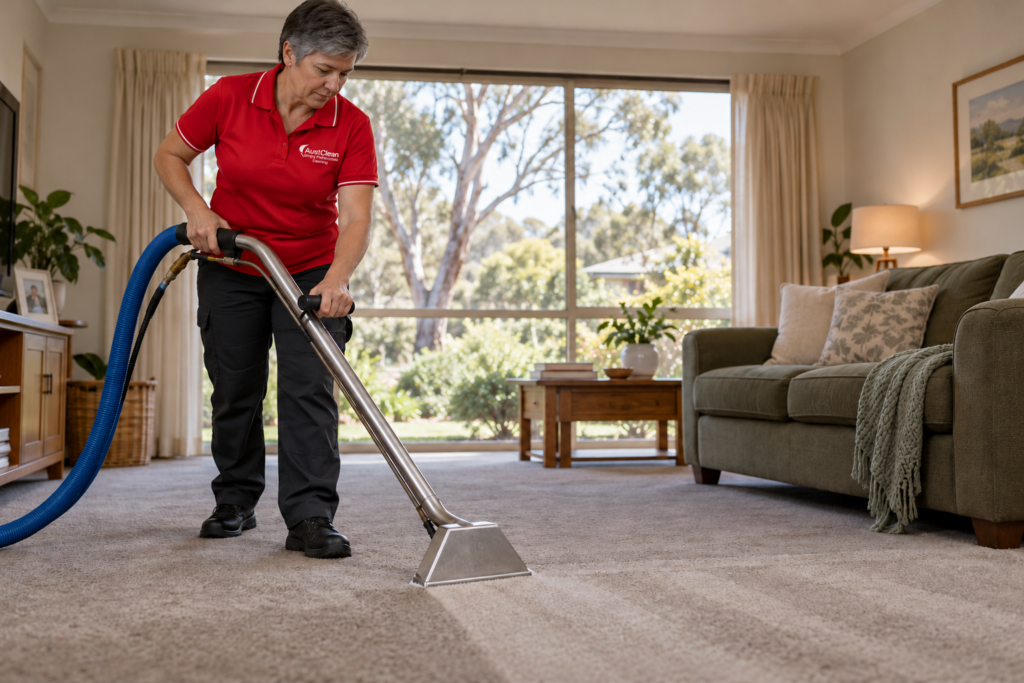
Higher-skill or higher-risk tasks tend to suit professionals. These jobs often include restroom sanitising, machine carpet cleaning, hard floor maintenance, and deep cleaning before inspections or big client visits. AustClean offers budget cleaning services for business clients that focus on these tasks two or three times a week instead of daily. With clear task lists and set visit lengths, you keep control of the bill while still getting the heavy work done properly.
Reducing Hidden Costs: DIY Pitfalls, Staff Time And Equipment Spend
Cleaning only looks cheap when owners forget the value of staff time. If a team member on thirty five dollars per hour spends three hours a week cleaning, that is over five thousand dollars a year in wages alone. That number does not count lost sales, missed calls, or extra fatigue. For many small offices, that hidden cost is higher than a lean AustClean contract for the same work.
Equipment and product costs also add up over time. Vacuums, mops, buckets, office cleaning products Australia wide, and safety gear need to be bought, stored, maintained, and replaced. Staff also need training in chemical safety and correct use of gear, or you risk damage to surfaces and possible workers compensation claims. All of this erodes the savings you thought you were getting from cheap commercial cleaning done in-house.
AustClean removes many of these hidden costs by supplying its own industrial vacuums, microfibre systems, and commercial-grade chemicals on every visit. Because local owner-operators work in this field every day, they know how to get more done in less time without cutting corners. When you compare the full cost of DIY against a focused outsourced plan, professional support often looks far more affordable than it first appears.
“If your highest-paid staff member is spending Friday afternoons mopping floors, you are not saving money. You are moving it from one column of the budget to another,”
– AustClean business client, Brisbane
What Does A Realistic Low-Cost Cleaning Schedule Look Like For Different Business Types?
A realistic low-cost cleaning schedule matches tasks to how each type of business operates. Offices, retail stores, cafés, clinics, and warehouses all carry different risks, opening hours, and customer expectations. When you factor those in, commercial cleaning on a budget becomes easier to plan and explain to staff.
Sample Budget Cleaning Schedules By Industry
Below are examples of how small businesses can structure realistic schedules without overspending. Treat them as starting points and adjust for your own traffic, trading hours, and staff capacity.
-
Small offices with up to around fifteen staff.
-
Daily DIY: tidy desks, light spot cleaning of spills, wiping the kitchen bench, and emptying small bins into the main waste area.
-
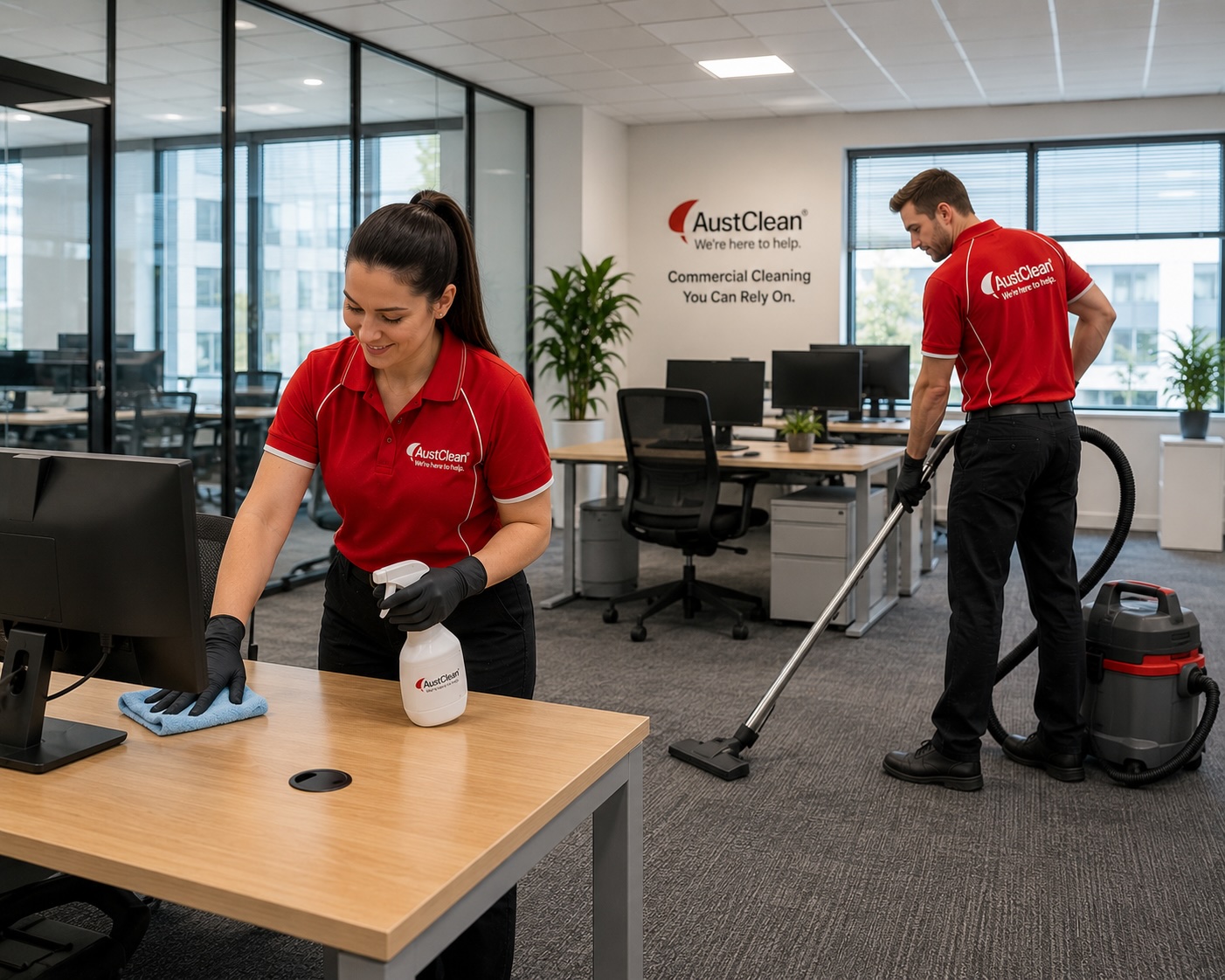
Professional (AustClean) two or three times per week: sanitise restrooms, vacuum and mop all floors, clean the staff kitchen, and wipe shared touchpoints.
-
Budget tip: group your heaviest foot-traffic days together and schedule professional visits straight after them.
-
-
Retail stores and showrooms that see steady customer traffic.
-
Staff jobs: quick counter wipes, change bin liners, sweep main walkways, and spot clean front glass during quiet moments.
-
Professional visits three to five times a week: thorough floor cleaning, change room checks, full restroom cleans, and deeper touchpoint work on rails and doors.
-
Seasonal tweak: many stores in larger centres like Westfield or DFO find they need heavier schedules during peak trading periods such as December, then scale down slightly in slower months.
-
-
Cafés and hospitality venues where food safety rules apply.
-
Staff must complete full daily cleaning to meet Food Standards Australia New Zealand rules, including benches, tables, and equipment.
-
AustClean two to five times per week: deep floor scrubbing, degreasing under equipment, restroom sanitising, and break room care.
-
Budget strategy: use professional visits for the hard-to-reach and high-risk tasks so your team can finish earlier and focus on service, not late-night scrubbing.
-
-
Medical and allied health clinics with patients coming through all day.
-
On-site staff: basic between-patient wipes of treatment beds and tools as required by your infection control protocols.
-
Professional cleaning near daily: waiting areas, treatment rooms, restrooms, and touchpoints cleaned every day, sometimes multiple times for busy practices.
-
Additional support: weekly or monthly deep work such as detailed dusting, upholstery care, and extra attention to high-contact surfaces in treatment rooms.
-
-
Warehouses and light industrial sites spread across larger floors.
-
Staff contributions: daily sweeping of main aisles, rubbish management, and quick lunchroom wipes.
-
Professional visits weekly or fortnightly: toilets and washrooms, staff kitchens, office areas, and main entries.
-
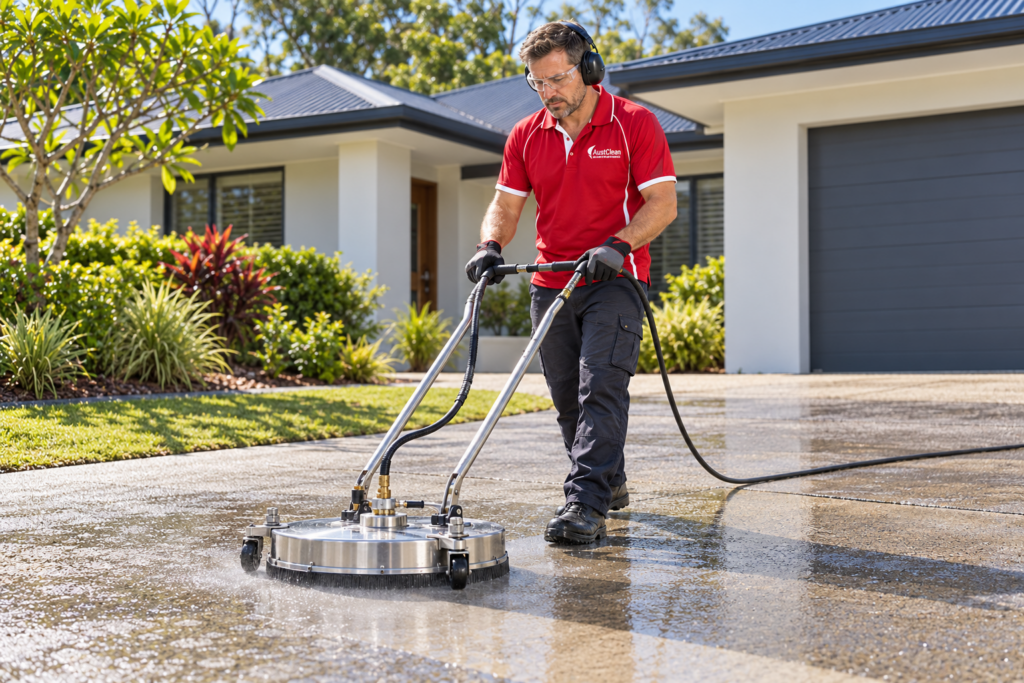
Periodic extras: machine scrub or pressure cleaning for key floors to reduce slip risk from oils and dust, which helps meet WorkSafe Victoria guidance on keeping walkways safe (WorkSafe Victoria).
-
These schedules show that commercial cleaning on a budget is less about cutting visits to the bone and more about putting the right work on the right days.
Is Professional Commercial Cleaning Or DIY Better For Small Business Budgets?
For most small businesses, the best value rarely comes from one extreme or the other. A hybrid approach where staff handle simple daily tidying and a commercial cleaner like AustClean manages hygiene-heavy and specialist tasks usually gives the strongest result. This style of commercial cleaning on a budget protects both cash flow and workplace standards.
In‑House Vs Outsourced Cleaning: Pros, Cons And Cost Comparisons
Owners often struggle to compare in-house and outsourced cleaning because many costs are hidden, as demonstrated by research into the effectiveness of operational cost control and its direct impact on business profitability. Looking at a few key factors side by side makes that decision easier. Research from McKinsey and Company links engaged, supported employees with productivity gains of more than twenty per cent, and a clean, safe workspace is one part of that picture (McKinsey & Company).
| Aspect | In-House Cleaning | Outsourced Cleaning With AustClean Or Similar |
|---|---|---|
| Direct cost | Staff wages add up over time, especially with overtime or penalty rates | Clear per-visit or per-hour rates that are simple to budget for |
| Staff time | Pulls people away from revenue work and core duties | Staff stay focused on customers and operations |
| Equipment and products | You buy, store, and replace vacuums, chemicals, and safety gear | Provider supplies and maintains all equipment and chemicals |
| Quality and consistency | Varies depending on staff motivation and training | Set standards, checklists, and owner-operator accountability |
| Risk and liability | You carry risks from chemical misuse or manual handling | Professional insurance and trained cleaners reduce that exposure |
| Flexibility | Hard to scale up or down at short notice | Visits and scopes can be adjusted with seasonal or business changes |
In-house cleaning may suit very small, home-based micro-businesses with low foot traffic. Once you have regular customers, shared facilities, or staff, outsourcing even part of the workload starts to look more attractive. Many small firms across Queensland, Victoria, and South Australia choose a mix that fits their real needs rather than an all-or-nothing model.
“Think of your cleaner as part of your risk management plan, not just an expense line,”
– Workplace safety consultant, Melbourne
How AustClean Helps Small Businesses Stay Clean On A Limited Budget
AustClean focuses on small and medium workplaces, which makes it easier to shape a plan that fits a tight budget. Services cover everyday office cleaning, restrooms, staff kitchens, floor care for hard floors and carpets, window cleaning, and periodic deep cleaning or pressure washing. Because each location is run by a local owner-operator, you speak directly with the person responsible for the work.
Flexible options range from one-off cleans through to weekly or twice-weekly plans, right up to heavier schedules for clinics or busy hospitality venues. Free on-site quotes and itemised pricing help you see exactly what you are paying for without surprise extras. You also avoid spending on office cleaning products Australia wide, because AustClean brings safe, effective chemicals and equipment to every job.
Many businesses also appreciate AustClean’s clean green options, which use lower-toxicity products that still deliver strong results. With full insurance, Police Cleared teams, and a satisfaction guarantee, you get reliable service without tying up cash in equipment or training. This combination keeps professional support accessible as a form of affordable office cleaning services rather than a luxury.
What Are The Hidden Costs Of Poor Or Inconsistent Cleaning For Small Businesses?
Poor or patchy cleaning increases long-term costs in ways that do not always show on a monthly profit and loss report. Worn-out flooring, pest issues, staff illness, and negative online reviews all stem from hygiene gaps. When owners chase the cheapest quote or skip regular visits, they often pay more later.
Financial, Health And Reputation Risks Of Cutting Corners
One of the biggest hidden expenses is asset damage. Grit in carpets acts like sandpaper, so neglected floors in offices or shops wear out and need replacement earlier than expected — and understanding commercial property curb appeal ROI helps owners see how exterior and interior maintenance directly affects long-term asset value. Built-up grease on tiles becomes a slip hazard, which can lead to workers compensation claims and legal costs. Safe Work Australia records thousands of slip, trip, and fall claims each year, many linked to poor housekeeping and floor care (Safe Work Australia).
Health costs are just as real. Staff who avoid using dirty kitchens or bathrooms are less comfortable at work and may leave earlier or take more sick days. In hospitality and health, dirty or badly maintained facilities can even lead to formal warnings or closure notices from regulators such as NSW Health or local councils. These events cost far more than regular low cost workplace cleaning ever would.
Reputation risk is often clear in online comments. On platforms such as Google Reviews and Zomato, customers often mention sticky tables, stained carpets, or unclean bathrooms. Those comments live online for years and can outweigh good service or tasty food. Keeping up a modest but regular standard with help from AustClean is usually cheaper than trying to rebuild a damaged rating profile later.
How Regular, Modest Investment In Cleaning Protects Your Bottom Line
Treating cleaning as preventative maintenance changes how you view the spend. Regular vacuuming and periodic carpet cleaning extend the life of floor coverings, while routine attention to grout, paintwork, and fittings slows visible wear. Replacing all carpet in a small office can easily cost tens of thousands of dollars, while a year of fortnightly professional cleaning may only reach a few thousand. The savings over the life of your lease are clear.
High-touch sanitising also helps reduce contagious illness in close teams, especially during winter. Fewer sick days mean more stable rosters and less pressure on remaining staff. According to research cited by the World Health Organization, proper hand and surface hygiene cuts the spread of common respiratory infections by meaningful margins (World Health Organization). Cleaning plays a practical part in that, alongside good handwashing habits.
Scheduled visits with a provider like AustClean also reduce the number of expensive emergency cleans. Instead of calling a cleaner in a panic before a major client visit or council inspection, you keep the site at a steady baseline all year. Regular, moderate spend on commercial cleaning on a budget protects revenue, fits into cash flow planning, and supports a safer, more pleasant workplace.
Bringing It All Together For A Cleaner, Healthier Workplace On A Budget
For small businesses across Australia, the smartest use of commercial cleaning on a budget is to protect health-critical areas first. Restrooms, staff kitchens, high-touch points, and main walkways need consistent attention, while less visible tasks can move into monthly or quarterly slots. This simple order of priority keeps you on the right side of hygiene rules and customer expectations.
The next step is to mix daily in-house routines with targeted professional help. Staff can handle quick tidying, light wiping, and basic rubbish management, while a cleaner such as AustClean looks after restrooms, floors, and periodic deep cleaning. That kind of hybrid plan usually beats both expensive full-service contracts and risky DIY-only approaches. It also fits naturally with a small business cleaning checklist that staff can follow.
Finally, remember that very cheap commercial cleaning quotes can cost more in the long run through missed areas, staff dissatisfaction, and damage to surfaces. A steady, modest investment protects assets, reduces avoidable illness, and supports stronger reviews from customers and clients. If your business is in Queensland, Victoria, or South Australia, it is worth asking a local AustClean operator for a free on-site quote so you can design a custom, budget-friendly plan that fits the way your workplace actually runs.