Following an RTA bond clean checklist based on official Residential Tenancies Authority rules is one of the easiest ways to protect a full bond refund in Queensland. During a bond inspection, property managers walk through every room comparing the cleanliness to the Entry Condition Report, checking ovens, bathrooms, carpets, windows, walls, outdoor areas and odours against RTA standards and fair wear and tear guidelines.
What they see in that inspection usually decides how much of the rental bond comes back.
Many tenants feel unsure about what the property manager will actually check, which areas matter most, and how clean is clean enough. Guessing often leads to stressful re‑cleans, delays and sometimes lost bond money.
This guide explains what people mean by the 2026 RTA Bond Clean Checklist, how it links to official forms, and what a typical end of lease cleaning checklist in Queensland usually covers. It then breaks the property down room by room, shows how to plan your exit clean, and explains when professional help from a Queensland bond cleaning specialist like AustClean makes sense.
Keep reading for a clear, practical checklist you can follow before inspection so your property manager sees a tidy, move‑in‑ready home, not a list of issues.
Key Takeaways
Key Takeaways
Before getting into detail, here are the main points from this RTA Bond Clean Checklist guide.
-
An RTA bond clean checklist for Queensland ties your cleaning to RTA rules, fair wear and tear and the Entry Condition Report, which gives property managers a clear way to decide your bond refund in 2026.
-
Property managers work room by room with detailed checklists for kitchens, bathrooms, floors, windows, carpets and outdoor areas, so a structured rental bond cleaning checklist helps you avoid easy‑to‑miss spots.
-
Fair wear and tear covers ageing and normal use, while built‑up grime, mould, stains and damage sit firmly in tenant cleaning or repair territory and can affect your RTA bond refund.
-
A planned exit clean, clear photos, and smart use of professional help where needed reduce last‑minute stress and the risk of re‑cleans or bond disputes.
-
AustClean uses RTA‑aligned checklists, trained local teams and professional gear to help Queensland tenants, owners and property managers hand properties over in inspection‑ready condition.
“If you clean to the same standard you’d expect when moving into a property, you’re usually on the right track for your bond refund.” – Typical advice from Queensland property managers
What Is The 2026 RTA Bond Clean Checklist And How Does It Affect Your Bond Refund?
A 2026 RTA Bond Clean Checklist in Queensland is a practical cleaning plan built from Residential Tenancies Authority guidance, the Residential Tenancies and Rooming Accommodation Act 2008 and local real estate practice. It links every cleaning task back to the Entry and Exit Condition Reports that property managers use to decide your bond refund. Used properly, it turns a vague end of lease clean into a clear to‑do list.
According to the Residential Tenancies Authority, cleaning, damage and rent arrears sit among the most common reasons bonds are disputed at the end of a tenancy. When your cleaning mirrors the way managers inspect, you greatly lower the chance of arguments. AustClean builds its own professional bond cleaning checklist for Queensland directly around these RTA expectations and current agency practices.
RTA Rules, Condition Reports And “Fair Wear And Tear” Explained
The RTA sets the legal rules for renting in Queensland and explains how clean a place must be when tenants leave, and professional standards for institutional and commercial cleaning stewardship are further outlined in the Guide for Stewardship for cleaning of commercial and institutional buildings. The law says you must return the property in the same condition it was in at the start, allowing for fair wear and tear from normal living. The Entry Condition Report, usually Form 1a, plus photos and videos, is the reference point.
Fair wear and tear covers things that simply age, such as:
-
Gently worn carpet in walkways
-
Slightly faded paint from sunlight
-
Minor marks that do not wash off with normal cleaning
It does not cover:
-
Built‑up grease in an oven
-
Thick soap scum on shower glass
-
Pet urine stains in carpet
-
New holes in walls or broken fittings
Those issues normally lead to cleaning or repair claims against the bond.
At the end of the tenancy you complete the Exit Condition Report, usually Form 14a, after you finish your bond clean. You move room by room, describe the state of each item, and return the report to the property manager. They must allow for fair wear and tear and cannot demand a brand‑new property, but they can ask for extra cleaning or bond money if they find clear neglect or avoidable damage.
RTA guidance stresses that “tenants must leave the property in a similar condition to the start of the tenancy, apart from fair wear and tear.” – Residential Tenancies Authority (summary of published guidance)
How Property Managers Use Checklists To Decide Your RTA Bond Refund
From the manager’s side, the vacate process follows a simple pattern. They receive your keys, Exit Condition Report and any invoices, then walk through the property with the original Entry Condition Report and their own bond cleaning standards in hand. Many agencies in Brisbane and regional Queensland use detailed digital checklists linked to photos.
Typical focus points include:
-
Ovens and rangehood filters
-
Shower screens, tiles and grout
-
Toilets, basins and vanities
-
Carpets, especially stains and odours
-
Window glass, tracks and flyscreens
-
Skirting boards, doors and frames
-
Balconies, garages and yards
If these areas match the entry report, allowing for normal ageing, they usually sign off on the RTA bond refund without much debate. Research from REIQ notes that clear evidence and good condition reports help resolve most bond issues quickly.
When managers find problems that go beyond wear and tear, they record them with photos and notes, then decide whether a simple re‑clean will fix the issue or whether money should come from the bond. Receipts from professional cleaners such as AustClean, carpet cleaners and pest controllers support your case if a dispute reaches the RTA.
What Does A Queensland RTA Bond Clean Checklist Include Room‑By‑Room?
A Queensland RTA Bond Clean Checklist covers the entire property, not just the obvious rooms. It brings together RTA guidance, property manager expectations and common bond clean requirements across Queensland so that nothing is left half‑done. Think of it as a top‑to‑bottom end of tenancy cleaning checklist for both inside and outside.
Research from realestate.com.au shows that ovens, bathrooms and carpets are frequent reasons properties fail exit inspection. A strong bond back cleaning checklist deals with these high‑risk spots first, then sweeps through walls, windows, fixtures and outdoor areas so the next tenant can move straight in. AustClean cleaners follow this type of structure on every Queensland bond clean.
Whole‑Of‑Property And High‑Risk Areas Walls, Windows, Floors, Carpets
Whole‑of‑property tasks appear on nearly every property manager inspection checklist. These items set the general feel of the home before anyone looks at smaller details. If they look poor, managers start searching harder for other problems.
Across all rooms you should:
-
Remove cobwebs
-
Dust ceilings
-
Clean light fittings, fans, air conditioning vents and smoke alarm covers (without interfering with the devices themselves)
-
Wipe walls, doors, frames, skirting boards, light switches and power points to remove marks, dust and fingerprints
Windows must have:
-
Clear internal glass
-
Clean sills and ledges
-
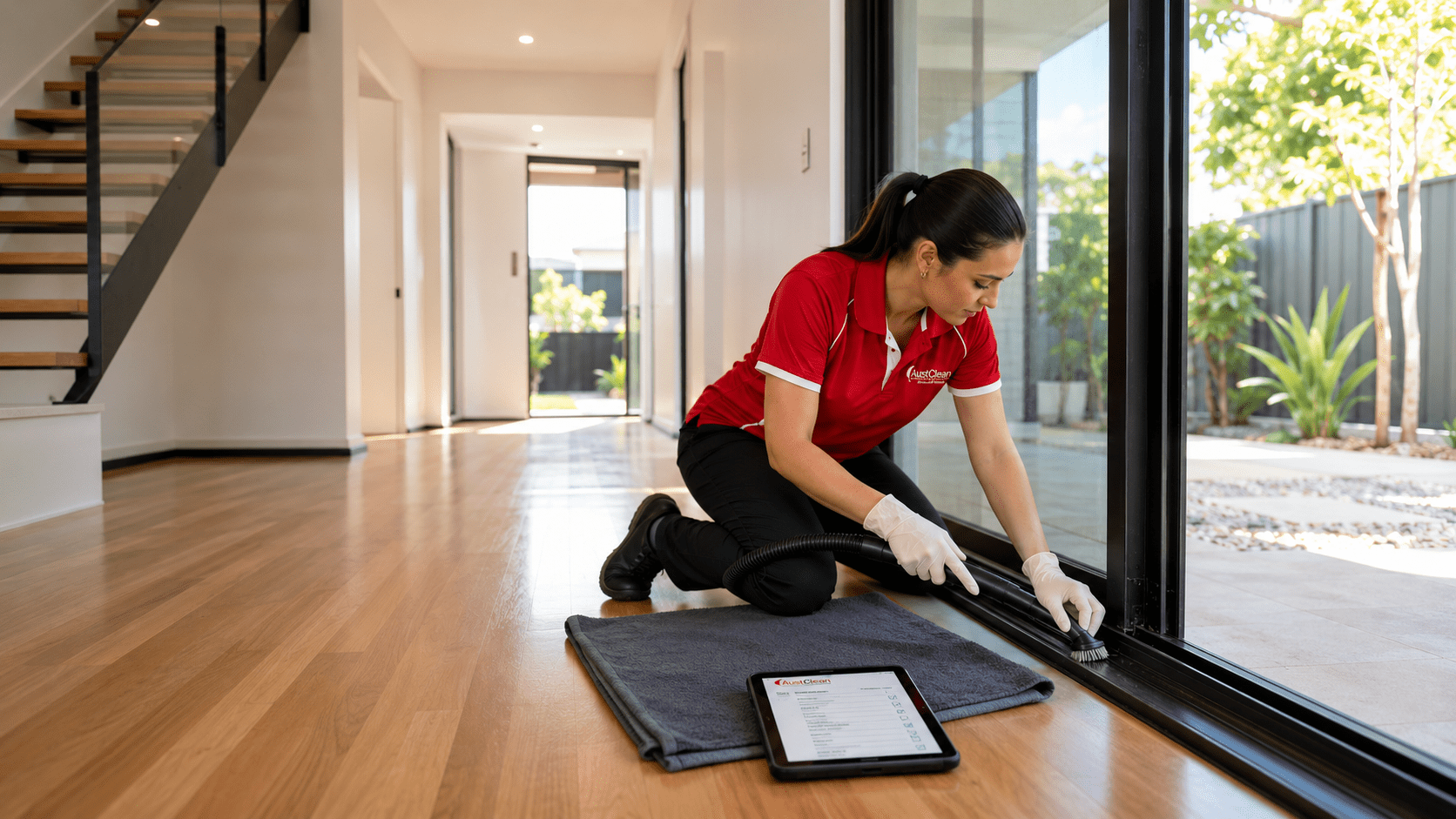
Properly scrubbed tracks that are free from dead insects, grime and grit
Floors are a key part of any bond cleaning checklist in Queensland:
-
Hard floors should be swept and mopped carefully, including behind doors and along edges.
-
Carpets need a slow, thorough vacuum, including inside wardrobes and along skirting boards.
-
Many leases add a requirement for professional carpet steam cleaning, especially where pets lived in the property, so receipts from a provider such as AustClean are important backup.
Here is a quick snapshot of what managers expect across all rooms.
| All Rooms Must‑Do Items | Commonly Missed Items |
|---|---|
| Cobweb removal, light fittings, fans, vents cleaned | Tops of cupboards and door frames |
| Walls spot cleaned, doors and skirting wiped | Window tracks and sliding door runners |
| Floors vacuumed and mopped carefully | Behind doors and inside wardrobe corners |
| Internal windows cleaned | Power points and light switch plates |
Tip: Walk the property with a damp microfibre cloth and a torch. The angled light quickly shows dust on skirtings and marks on walls that you might otherwise overlook.
Kitchens, Bathrooms And Wet Areas What Managers Scrutinise Most
Kitchens, bathrooms and laundries sit at the top of almost every exit clean checklist because they collect grease, soap scum, mould and smells. Property managers often spend most of their inspection time in these spaces. According to Domain, dirty ovens and bathrooms are among the main causes of delayed bond refunds across Australia.
In the kitchen, a thorough bond cleaning checklist for Qld usually covers:
-
Oven interior, racks, trays, door glass and seals
-
Degreased stovetop, including around burners and knobs
-
Clean rangehood, including filters and underside
-
Cupboards and drawers cleaned inside and out, including handles and back corners
-
Benchtops and splashbacks free from crumbs, oil and stains
-
Sinks, taps and drains scrubbed and deodorised
-
Whitegoods that stay with the property (dishwashers, built‑in microwaves, supplied fridges) cleaned inside and out
In bathrooms and toilets, the focus is on hygiene and mould:
-
Showers: tiles, grout, silicone, shower screens, taps, shower head and floor waste
-
Baths and basins: de‑scaled, free of soap scum, hair and residue
-
Mirrors: streak‑free
-
Vanities and cupboards: wiped inside and out
-
Toilets: spotless around the bowl, seat, cistern, base and surrounding floor
In laundries you should:
-
Clean the tub, taps and splashbacks
-
Wipe cupboards, shelves and bench surfaces
-
Clean appliance exteriors
-
Remove lint from any dryer filter and check behind/under appliances for dust and debris
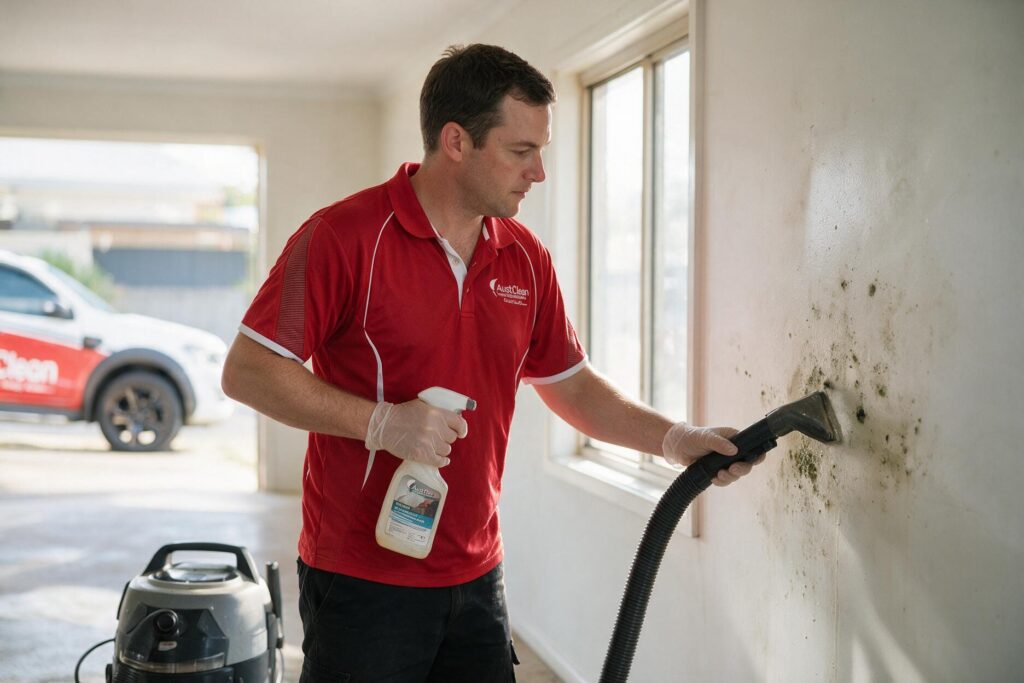
Humidity across Queensland makes mould and mildew a constant risk, especially around showers, windows and ceilings. Visible, cleanable mould on tiles, painted walls, silicone and blinds is usually seen as a tenant cleaning job, so your rental property cleaning standards need to cover this carefully. Long‑term, ingrained water damage should be documented and discussed with the property manager.
How To Use The 2026 RTA Bond Clean Checklist Step‑By‑Step Before Inspection
A checklist only helps if you follow it in a calm, organised way. Using the 2026 RTA Bond Clean Checklist step by step means planning enough time, working room by room and linking every task to your Entry Condition Report. That is how you move from a messy list of jobs to a smooth, low‑stress exit clean.
The good news is that a bit of planning saves a lot of scrubbing at midnight before handover. Research from Aussie Moving and similar relocation services suggests that a standard three‑bedroom home often takes a full day of focused cleaning, even for professionals. Starting early is key, whether you are cleaning yourself or bringing in a team like AustClean.
Planning, Timing And Documentation To Protect Your Bond
Planning your bond clean starts the moment you give notice. For a two or three bedroom property, many tenants allow at least two or three days for DIY cleaning, while a professional team usually needs part of one day. Choosing between these paths depends on your time, the property size and how much you have kept up with day‑to‑day cleaning during the lease.
A simple approach is:
-
Clear the space
-
Remove all personal items and rubbish.
-
Take down hooks or temporary fixtures you have permission to remove and repair minor marks if required by your agreement.
-
-
Review the Entry Condition Report
-
Sit down with the Entry Condition Report and any entry photos.
-
Mark what was already damaged and what now needs extra cleaning (for example greasy oven, stained carpet).
-
-
Separate wear and tear from issues
-
Note anything that is clearly wear and tear.
-
List items that could be seen as neglect or poor cleaning.
-
-
Create a room‑by‑room schedule
-
Day 1: kitchen and laundry
-
Day 2: bathrooms and bedrooms
-
Day 3: living areas, hallways, garage and outdoor areas
-
-
Document everything
-
As you finish each room on your end of lease cleaning checklist (Australia style), take clear, date‑stamped photos or video from different angles.
-
Keep all invoices for bond clean services, carpets and pest treatments together with your Exit Condition Report and RTA Form 4 bond refund paperwork.
-
“Good photos, clear condition reports and proper invoices are often what tip a bond dispute in the tenant’s favour.” – Summary of REIQ training content for property managers
DIY Versus Professional Bond Clean Which Option Is Best For You?
Choosing between DIY and a professional bond clean is part money question, part time and energy question. A DIY exit clean can save cash up front, but it usually takes a lot longer and carries more risk if you are not used to detailed cleaning. Professional bond cleaners bring experience, better tools and RTA‑aligned standards but cost more than doing it yourself.
Here is a simple comparison to help you decide.
| Factor | DIY Bond Clean | Professional Bond Clean AustClean Style |
|---|---|---|
| Time needed | Often 10 to 20 hours for a full house, spread over several days | Commonly 4 to 8 hours for a team, depending on size |
| Cost | Mainly your time plus products and gear | Fee based on property size, condition and extras such as carpets |
| Risk of re‑clean | Higher, especially for ovens, grout, tracks and outdoor areas | Lower, teams know local agent expectations and use detailed checklists |
| Quality of equipment | Domestic mops, vacuums and chemicals | Commercial machines, specialised products and techniques |
| Documentation | You provide your own photos only | You get your own photos plus formal receipts for managers and the RTA |
For many tenants, a mixed approach works well. You might:
-
Handle easier areas yourself, such as cupboards, walls and basic dusting.
-
Bring in AustClean for the full bond clean checklist Queensland‑wide focus on ovens, bathrooms, carpets and windows.
That way, the highest‑risk tasks sit with experienced cleaners while you still keep some control over costs.
What Do Property Managers Actually Look For During A 2026 Bond Inspection?
During a 2026 bond inspection in Queensland, property managers look for a clean, safe home that matches the Entry Condition Report, allowing for fair wear and tear. They focus on cleanliness first, then on any new damage, and they pay special attention to areas that often cause problems, such as ovens, showers, carpets and yards. In practice, they inspect much like a buyer doing a final walk‑through.
According to guidance from Queensland Government Housing, a rental home should be fit to live in, reasonably clean and in good repair at both the start and end of a tenancy. Managers inspect with that standard in mind, backed by their own property manager inspection checklist and years of local experience. AustClean trains its franchise teams around these current expectations across Brisbane, the Gold Coast, the Sunshine Coast and regional towns.
Top Inspection Hotspots And Commonly Missed Items
Most managers start where the biggest problems tend to hide. They often:
-
Open the oven first, then check rangehood filters, stovetop and splashback
-
Move to bathrooms to inspect shower glass, tiles, grout, silicone and drains
-
Check toilets, vanities and mirrors for cleanliness and odours
-
Look closely at carpets for stains, pet smells and general wear
-
Inspect window glass, tracks, sills and flyscreens
-
Step outside to review balconies, patios, lawns, gardens and garages
Commonly missed items appear on almost every bond clean requirements list:
-
Window and sliding door tracks
-
Tops of cupboards and wardrobes
-
Skirting boards behind doors
-
Greasy rangehood filters
-
Dusty ceiling fans and air conditioning filters
-
Exhaust fan covers in bathrooms and kitchens
-
Dirty internal and external bins
-
Unwashed balcony or patio floors
-
Cobwebs on eaves, outdoor lights and garage ceilings
The way managers handle these issues varies. Some give tenants a chance to fix minor problems quickly, while others contact a cleaner and claim costs from the bond. A well‑used RTA Bond Clean Checklist helps you catch these hotspots before the inspection, which keeps the feedback short and positive.
Fair Wear And Tear Versus Cleaning What Inspectors Will And Will Not Expect
Understanding the line between fair wear and tear and cleaning or damage can save many arguments. Inspectors will expect small signs of age such as:
-
Faded paint
-
Carpet pile that has flattened slightly in high‑traffic areas
-
Minor loosening of fittings over several years
They will not expect you to repaint entire rooms or replace normal ageing items at your expense.
They will, however, expect you to hand back the property free from dirt, grease, scum and smells you could reasonably clean. That includes:
-
Heavy oven grease and baked‑on food
-
Built‑up shower mould from poor ventilation or cleaning
-
Pet urine stains or strong animal smells
-
Deep scuffs and marks on walls from furniture or bikes
-
Food, clutter or rubbish left inside or outside
Those items usually show up as claims on the bond.
Here is a quick guide you can refer to while reviewing your exit clean checklist.
| Fair Wear And Tear | Tenant Cleaning Or Repair Duty |
|---|---|
| Faded paint or gently worn carpet from age | Large stains, burns or pet damage in carpet |
| Minor scuffs and light marks that do not wash off | Heavy grime, food grease, thick soap scum or visible mould |
| Slightly loose handles from normal use | Broken handles, holes in doors or walls, missing fittings |
| Age‑related curtain fading | Torn, mouldy or heavily stained curtains or blinds |
If you find something and feel unsure, the safest path is to:
-
Photograph it clearly
-
Note it on your Exit Condition Report
-
Raise it with your property manager before or during the final inspection
How Professional Bond Cleaners Like AustClean Help Maximise Your RTA Bond Refund
Professional bond cleaners reduce the chance of missed items, re‑cleans and bond disputes by working to a consistent standard that mirrors what property managers expect. They use detailed checklists that cover the same points as a professional bond cleaning checklist from a large real estate office, and they bring products and equipment that cut through grime faster than supermarket cleaners.
Industry research shared by IBISWorld shows steady growth in Australian cleaning services, with bond and end of lease cleaning as important segments. This growth reflects busy tenants, higher rental property cleaning standards and stricter inspection habits from managers and landlords. AustClean operates right in this space, focusing heavily on RTA‑aligned bond cleans across Queensland, with additional services in Victoria and South Australia.
Inside A Professional Bond Clean Standards, Tools And Guarantees
Inside a professional bond clean, the work follows a set pattern. Teams usually:
-
Start at the top of each room, clearing cobwebs and cleaning light fittings and fans
-
Work down through walls, doors, windows, tracks and fixtures
-
Focus early on wet areas such as kitchens, bathrooms and laundries so cleaning products have time to work
-
Finish with floors – vacuuming, mopping and, where booked, carpet steam cleaning
-
Complete a careful walkthrough against their checklist to catch anything that still needs a wipe
Professional cleaners use strong but suitable chemicals and commercial gear, for example:
-
High‑powered extraction machines that refresh carpets more deeply than basic hire units
-
Specialist degreasers to remove oven and cooktop grime
-
Bathroom products that target soap scum and limescale without damaging tiles and glass
-
Microfibre cloth systems that pick up dust efficiently without leaving lint
AustClean franchises also have access to eco‑friendlier options when clients or property managers prefer them.
Many professional cleaners offer some level of satisfaction guarantee for bond cleans, meaning they will return to fix noted items if a manager is not happy. AustClean backs its bond cleaning with this type of re‑clean support, which gives tenants extra comfort when they lodge their RTA bond refund request.
“Using a professional bond cleaner can be cheaper than losing part of your bond and still having to clean again.” – Common advice from Queensland tenancy support services
Why AustClean Is A Go‑To Choice For Queensland RTA Bond Cleans
AustClean has built its business around domestic, commercial and bond cleaning across more than thirty locations in Queensland, Victoria and South Australia. For tenants and owners in Queensland, that means local franchise teams who understand RTA forms, local property manager habits and common Brisbane and coastal issues such as humidity, mould and dust. Their cleaners follow a clear bond back cleaning checklist that lines up closely with RTA and agency expectations.
Standard AustClean bond cleans typically include:
-
Detailed oven and rangehood cleaning
-
Full bathroom and toilet scrubs
-
Inside and outside cupboard cleaning
-
Thorough window and sliding door track detailing
-
Skirting boards, doors, frames and light fittings
-
General wall spot cleaning
Clients can add:
-
End of tenancy carpet cleaning using high‑powered extraction
-
Extra window cleaning
-
Pressure washing for outdoor areas, paths and driveways
-
Additional services requested by property managers or set out in tenancy agreements
Flexible scheduling, online quotes and cleaning plans that reflect the size and condition of the property help AustClean fit into tight moving timetables. Property managers and landlords benefit from consistent results across multiple properties, while tenants receive clear invoices to show agents and the RTA.
If you want experienced help built around a clear RTA Bond Clean Checklist, AustClean is a practical local option to consider for Queensland rentals.
In Summary
Using a 2026 RTA Bond Clean Checklist based on Queensland tenancy rules and your Entry Condition Report is one of the safest ways to protect your rental bond. When you clean room by room, focus on high‑risk areas and document everything with photos and receipts, you give property managers little reason to question your effort or hold back money. The home looks ready for the next tenant to move into, rather than a space that needs more work.
Remember that managers must allow for fair wear and tear, but they do not have to accept built‑up grime, mould, pet smells or clear damage. Linking your exit clean checklist, your Exit Condition Report and your bond refund form keeps everything aligned with RTA processes and reduces the risk of disputes.
If you feel short on time, energy or confidence, bringing in professional help can be a smart step. AustClean’s local teams across Queensland work with RTA‑aligned bond clean checklists, strong equipment and a reliable, practical approach.
Ready to protect your bond?
Contact AustClean for a personalised bond cleaning quote tailored to your property, your lease conditions and your inspection date, and hand back the keys with confidence about your RTA bond refund.
Frequently Asked Questions.
Question What Is Included In A Standard RTA Bond Clean Checklist In Queensland?
Question: What Is Included In A Standard RTA Bond Clean Checklist In Queensland?
A standard checklist covers all internal rooms, including kitchen, bathrooms, laundry, bedrooms, living areas and hallways. Whole‑of‑property tasks include walls, doors, windows, floors, carpets, light fittings and skirting boards. Outdoor areas such as balconies, yards, garages, paths and bins are included where they form part of the tenancy. Exact inclusions can vary slightly between property managers and cleaning companies, so always check your tenancy agreement.
Question Do I Have To Use A Professional Cleaner To Get My Bond Back In Queensland?
Question: Do I Have To Use A Professional Cleaner To Get My Bond Back In Queensland?
You do not have to use a professional cleaner under RTA rules. Some leases, however, require professional carpet steam cleaning or pest treatment, especially when pets lived at the property. The standard is to leave the home as clean as at entry, allowing for fair wear and tear. Professional cleaners such as AustClean help time‑poor tenants reach that standard more easily and provide invoices that support your bond refund claim.
Question How Clean Is “Clean Enough” For An RTA Bond Refund?
Question: How Clean Is “Clean Enough” For An RTA Bond Refund?
Clean enough means the property matches the Entry Condition Report, minus normal wear and tear, and is ready for new tenants to move straight in. Managers should not see visible dirt, grease, soap scum, mould or strong odours. Floors, fixtures, windows and outdoor areas must be tidy and hygienic. Using the manager’s checklist and your entry photos as a guide is the best approach.
Question What Are The Most Common Reasons Bonds Are Partially Withheld In Queensland?
Question: What Are The Most Common Reasons Bonds Are Partially Withheld In Queensland?
Common reasons include dirty ovens and rangehoods, poorly cleaned bathrooms, stained or smelly carpets, mould, messy yards and rubbish left behind. Damage such as holes in walls or broken fittings also leads to claims, separate from cleaning issues like dusty skirting boards. Lack of photos or receipts can make disputes harder to resolve. Clear communication with your agent and good records help a lot.
Question How Much Does Professional Bond Cleaning Usually Cost In Australia?
Question: How Much Does Professional Bond Cleaning Usually Cost In Australia?
Professional bond cleaning prices vary with property size, condition and extras, but standard units and houses often fall in the mid‑hundreds of dollars. Extra bathrooms, heavy soiling, carpet steam cleaning, pest treatment and detailed window cleaning can add to the total. Asking for an upfront quote with clear inclusions is important. AustClean provides free quotes tailored to each property and its bond clean needs.
Question When Should I Book AustClean Or Another Bond Cleaner Before My Lease Ends?
Question: When Should I Book AustClean Or Another Bond Cleaner Before My Lease Ends?
It is wise to book at least one to two weeks before your vacate date, and even earlier in busy moving seasons. Plan the clean for after your furniture has gone but before the final inspection, leaving time for any small touch‑ups or re‑cleans if the agent requests them. AustClean offers flexible scheduling and online booking to help match your timeline and reduce last‑minute stress.