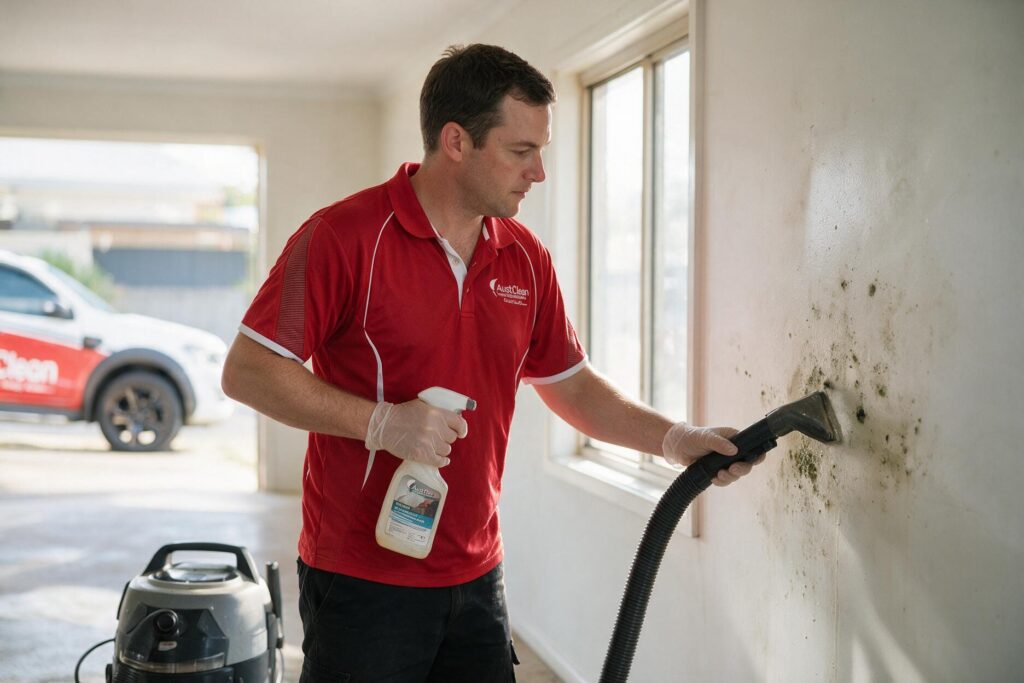
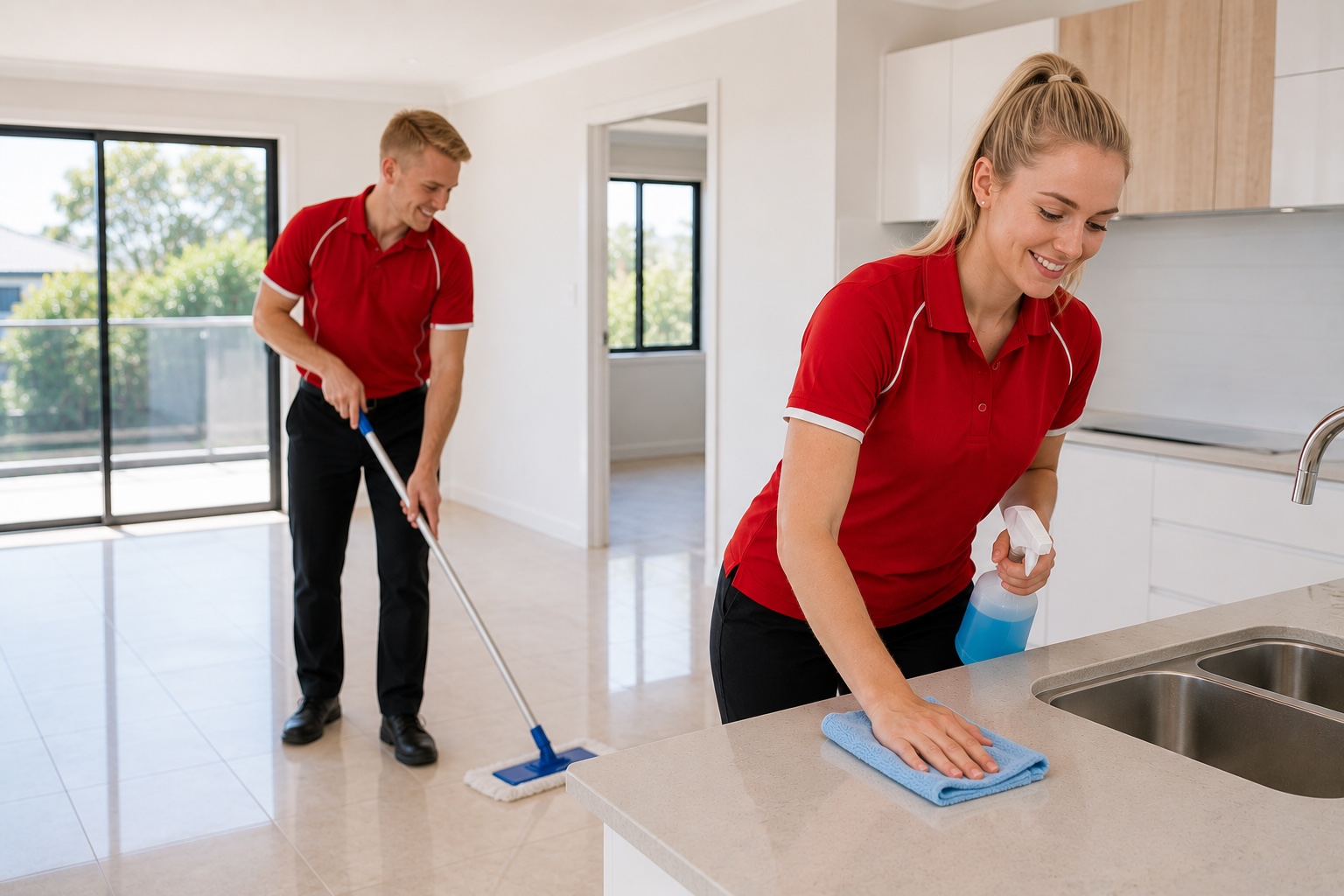
Moving house is stressful enough without worrying about losing part of your bond over missed cleaning details. From greasy ovens and dusty skirting boards to overlooked window tracks and outdoor areas, even small issues can trigger extra cleaning requests from your property manager.
This complete end of lease cleaning checklist has been designed specifically for Australian rentals to help tenants, landlords and property owners prepare for a smoother final inspection. Whether you are handling the clean yourself or hiring professionals like AustClean, this guide walks you through every important area room by room, including kitchens, bathrooms, carpets, outdoor spaces and those commonly forgotten problem spots that agents often notice first.
Use this checklist as your step-by-step guide to reduce stress, stay organised and improve your chances of getting your full bond back.
Jump to section
- The End of Lease Cleaning Checklist
- What Is An End Of Lease Cleaning Checklist And Why Does It Matter?
- How To Prepare For End Of Lease Cleaning Without The Stress
- Room-By-Room End Of Lease Cleaning List (Interior)
- Outdoor, Carpet And Special Requirement Items Many People Miss
- Should You DIY Or Hire Professionals For Your Bond Clean?
- Final Inspection: Using Your End Of Lease Cleaning Checklist To Pass First Time
- Wrapping Up Your Lease With Confidence
- Frequently Asked Questions
The End of Lease Cleaning Checklist
Leaving a rental without a clear end of lease cleaning checklist can put your whole bond at risk. One greasy oven or dusty fan is all it takes.
Missed details add pressure right when you are already juggling packing, moving trucks and keys.
An effective end of lease cleaning checklist for getting your bond back covers every part of the home. That means general surfaces, kitchen, bathrooms, bedrooms, windows, carpets, outdoor areas, plus any lease specific items such as pest treatment, pools or furnished items. When you follow a structured list, or hand it to a professional team like AustClean, you line the property up with the original condition report and Australian tenancy rules. This guide walks through what to clean, how to plan it and when it makes sense to bring in help.
Keep reading for a simple, room by room path that turns a stressful exit into a calm, organised handover.
Key Takeaways
-
A detailed end of lease cleaning checklist turns a messy job into a clear plan. It gives you a starting point and an end point, and helps you feel in control rather than rushed.
-
Most bonds are lost on cleaning that is almost there but not quite. Ovens, window tracks and skirting behind furniture cause trouble. A list keeps those easy to forget spots front of mind.
-
DIY cleaning works when the property is small and well kept. It can become risky when there is heavy wear, long tenancies or tight time frames. At that point the bond is often worth more than the saving.
-
AustClean follows strict bond back style checklists across Queensland, Victoria and South Australia. Their teams focus on the same high risk areas that local agents look at. That safety net removes a lot of anxiety around inspection day.
-
Simple habits such as top to bottom cleaning and a slow final walk through make inspections smoother. They help you spot stray cobwebs, streaky shower glass or full bins before your agent does.
What Is An End Of Lease Cleaning Checklist And Why Does It Matter?
An end of lease cleaning checklist in Australia is a detailed list of tasks that returns a rental to its original clean state. It lines up with the entry condition report so your agent can tick items off instead of hunting for problems.
A good checklist covers general areas plus a kitchen, bathroom, laundry and outdoor bond cleaning checklist. It may be called an end of tenancy cleaning checklist, vacate cleaning checklist, exit clean checklist or bond clean list, but the goal stays the same. According to NSW Fair Trading, bonds are usually up to four weeks rent for most homes, so the money at stake is serious.
Using a written checklist gives tenants, owners and property managers one shared standard. It reduces arguments about what is clean, what is damage and what is just old wear. It also gives you peace of mind because you can see your progress as you work through each line.
“The more specific you are about what needs to be cleaned, the easier it is to avoid disputes later.”
— General guidance based on Australian tenancy authority advice
Understanding Bond, Condition Reports And “Fair Wear And Tear”
Rental bond is the security deposit you pay at the start of a lease. Most state rules, such as those from NSW Fair Trading and Consumer Affairs Victoria, say it is normally no more than four weeks rent for standard homes. That money sits with a government authority until everyone agrees the lease has ended fairly.
At the end, the agent compares the property to the entry condition report and photos. Guidance from the Residential Tenancies Authority shows that cleaning and damage are among the most common reasons bonds are disputed. Fair wear and tear covers things that age, such as light scuffs on old paint or worn carpet paths. Sticky marks, heavy stains or missing items usually count as cleaning or damage instead.
A structured checklist for end of lease cleaning helps match each room to that original record. It gives you proof of effort and makes any disagreement easier to discuss calmly, rather than in the heat of the moment.
End Of Lease Vs Regular Cleaning: What’s The Difference?
End of lease cleaning goes far beyond a quick weekly tidy. A normal clean might wipe visible benches and floors, while a bond back cleaning checklist digs into cupboards, tracks and behind appliances.
Here is how they compare in simple terms.
| Type Of Clean | What Usually Happens |
|---|---|
| Regular Weekly Clean | Quick wipe of benches, light vacuum, basic bathroom clean, little focus on hidden spots |
| End Of Lease Clean | Detailed scrub of oven, rangehood, tiles, grout, window tracks, cupboards, skirting, fans and hard to reach areas |
Without a proper vacate cleaning checklist, many people forget oven trays, rangehood filters, shower screens, blinds and door tracks. That can lead to last minute panic or agents bringing their own cleaners at your cost. This difference is why many renters now follow a tenancy cleaning checklist from a professional company such as AustClean instead of guessing and hoping for the best.
How To Prepare For End Of Lease Cleaning Without The Stress
Preparing for end of lease cleaning without stress means planning your time, understanding your lease and getting the right tools ready. Good planning turns a big clean into a series of smaller jobs that feel achievable.
When you know what your agent expects, you can build a personal bond clean list around those rules. Advice from Consumer Affairs Victoria stresses the value of reading your lease and condition report early, not the night before handover.
Check Your Lease, Special Conditions And Agent’s Vacate Instructions
Your lease is the rule book for your bond cleaning checklist. It often mentions carpets, pets, outdoor areas and any special items such as pools or furnished rooms.
Go through the lease, the entry report and any vacate emails from the agent. Many agencies across Brisbane, Melbourne and Adelaide send a rental vacate cleaning checklist with their own focus points. Look for notes about professional carpet steam cleaning, flea treatment if pets lived inside, pool chemical reports and garden maintenance. Guides from the Residential Tenancies Authority explain that where these items are written into the agreement, they are likely to be enforced at exit.
Add each of those items to your personal bond clean list. If you plan to use AustClean, share these documents so the local team can plan their work around your exact obligations and any quirks of your property.
Plan Your Time, Tools And Order Of Work
Good timing and the right tools make a huge difference to stress levels. Try to have the property empty before the serious cleaning begins, as marks and dust are easier to see in bare rooms. Tenant support groups such as Tenants Queensland suggest leaving at least a full day free for a small unit and more for a family home.
A simple plan is to clean from the back of the property to the front door, and from ceiling to floor in each room. That way falling dust lands on floors that you have not mopped yet. Decide early which jobs you will handle and which ones you want a professional like AustClean to take on, such as carpets or a heavy oven.
To keep things calm, break your preparation into three small focus points:
-
Block out firm cleaning days on a calendar. This keeps you from trying to clean after a long moving day. It also helps anyone who is helping you turn up at the right time.
-
Gather basic tools into one tub before you start. Items such as a decent vacuum, microfibre cloths, sugar soap, glass cleaner and a sturdy mop save a lot of backtracking. Clean tools also give a better result and help protect surfaces.
-
Decide on your work order and write it down. For example, blinds and walls one day, wet areas and kitchen the next, then floors last. A written order stops people from walking dirt back over clean rooms and makes the job feel less overwhelming.
Tip from an AustClean local operator:
“If you feel stuck, start with one small task, like wiping all light switches. Small wins build momentum and lower the stress.”
Room-By-Room End Of Lease Cleaning List (Interior)
A room by room end of lease cleaning checklist is the heart of your vacate plan. It breaks the property into small zones so you are less likely to miss things and can see steady progress.
This section gives a simple rental property cleaning checklist for the interior, covering whole property basics plus high scrutiny rooms. It lines up well with the way real estate agencies across Queensland, Victoria and South Australia tend to inspect. According to the Residential Tenancies Authority, clear room based checklists help reduce bond disputes because expectations are visible.
Whole-Property And Living Areas: The Foundation Of Your Vacate Cleaning Checklist
Whole property tasks are the base layer for every tenancy cleaning checklist. They apply to hallways, bedrooms, living areas and any other internal room.
Work through these core steps:
-
Start with ceilings, cornices and corners to remove cobwebs and insect marks.
-
Wipe walls with sugar soap, paying attention to light switches, around door handles and busy walkways.
-
Clean doors, frames, skirting boards and window sills with a full dust then a damp wipe.
-
Clean light fittings, exhaust fans and air conditioning vents so there is no dust halo around them.
-
Wash internal windows, tracks and frames until they look clear, not streaky or gritty.
-
In living and dining rooms, focus on built in shelving, media units, heater or split system casings and any sliding doors to outside areas.
-
Finish each space by vacuuming carpets thoroughly or sweeping and mopping hard floors.
A slow walk through at the end, looking from different angles and in natural light where possible, helps you spot missed marks or smears before your agent does.
Kitchen, Bedrooms, Bathrooms And Laundry: High-Scrutiny Areas
Kitchens and bathrooms are the rooms most agents look at first. Tenant groups such as Tenants Queensland and regulators like Consumer Affairs Victoria highlight these as common complaint areas at exit. Your end of lease clean list needs extra detail here.
Kitchen checklist essentials:
-
Clean the oven, grill, stovetop, rangehood and filters until there is no burnt food or sticky grease.
-
Wipe benchtops and splashbacks, including grout lines and silicone edges.
-
Empty and clean cupboards inside and out, including handles and kickboards.
-
Wipe pantry shelves and check for crumbs or spills.
-
Scrub the sink, taps and drain, removing any limescale or rust marks.
-
Clean the space behind and under the fridge and stove if they are movable and it is safe to do so.
Bedrooms checklist essentials:
-
Clean built in wardrobes, including shelves, drawers, hanging rails and mirrored doors.
-
Wipe wardrobe tracks and runners so they glide smoothly.
-
Dust and clean ceiling fans, blinds or curtains (as appropriate), window sills and skirting boards.
-
Vacuum flooring carefully, including along edges and under where beds or furniture sat.
Bathrooms, toilets and laundry:
-
Leave shower screens clear, without soap scum or streaks.
-
Scrub tiles and grout, paying attention to mould spots and corners.
-
Clean taps, drains, vanities, basins and mirrors until they shine.
-
Clean the full toilet base, lid, seat, cistern and behind the bowl.
-
In the laundry, clean tubs, taps, splashbacks, cupboards and dryer lint filters.
-
Wipe the floor and wall space around appliances, and check for stray detergent spills.
When these high impact rooms match a professional bond back cleaning checklist, your inspection usually feels much smoother and less confronting.
Outdoor, Carpet And Special Requirement Items Many People Miss
Outdoor areas, carpets and special lease conditions cause many surprise bond claims. A move out cleaning checklist Australia wide should always treat these as separate mini lists.
This section covers gardens, balconies, garages, bins, carpets, pest control, pools and furnished properties. Guides from agencies such as NSW Fair Trading and Consumer Affairs Victoria often remind renters that these areas sit inside the lease unless stated otherwise.
Gardens, Outdoor Areas, Garage And Bins
Gardens and outdoor zones form part of your exit cleaning checklist for houses and many townhouses. Lawns should be freshly mown, edges trimmed and garden beds weeded so they look tidy, not overgrown. Pick up all pet droppings and remove piles of leaves or old building materials.
Balconies, verandahs and decks need a full sweep, then a mop or hose down if allowed. Wipe railings, balustrades and any outdoor glass, and clear cobwebs from eaves and light fittings. Garages and carports should be empty of personal items, swept clean and free from obvious oil spots where realistic.
Do not forget bins. Empty them fully, give them a quick wash if they smell or have stuck waste and place them out for the next collection if your agent asks. These simple steps help the outside match the effort you have put inside, and they leave a fresher first impression at inspection.
Carpets, Pest Control, Pools And Furnished Properties
Carpets often have their own line in a bond cleaning checklist. Many leases, especially where pets have lived inside, ask for professional steam cleaning. Advice from Consumer Affairs Victoria notes that this request usually needs to be written into the lease or clearly justified. Always keep the paid invoice ready for your agent.
If pets were approved, your lease may also ask for flea treatment by a licensed pest controller. Pool or spa properties usually need the water clear, baskets emptied, surfaces brushed and a recent pool test report from a local shop. For furnished properties, compare everything in the home with the agent’s inventory list. Clean furniture, mattresses, décor and supplied appliances, then return items to their original rooms so the check is quick and calm.
AustClean teams are used to working through these special cases and can fold them into their bond back cleaning checklist when needed, which can be reassuring if you are worried about missing something technical like a pool or pest report.
Should You DIY Or Hire Professionals For Your Bond Clean?
Deciding whether to clean a property yourself or hire a professional depends on time, energy and risk — and the Final Builders Clean Checklist illustrates the level of detail professional teams work to, which is a useful benchmark when weighing up DIY against a hired service. Both options can work, as long as you are realistic about what you can handle.
This section compares the pros and cons of DIY cleaning with using an experienced company such as AustClean. With bonds that can reach thousands of dollars in larger cities, as shown by rent data from the Australian Bureau of Statistics, it pays to think this through.
Pros And Cons Of DIY End Of Lease Cleaning
DIY cleaning can save money, especially for small units that have been kept tidy. You control the products used, which helps if you prefer low scent or eco friendly choices. You can also spread work over several days instead of fitting in with someone else’s booking times.
The trade off is time, effort and skill:
-
Deep oven grease, mouldy grout, old carpet stains or nicotine film on walls can take a long time without commercial tools.
-
People with kids, shift work or health concerns often find the physical load draining and stressful.
-
If the agent is not happy, they may bring their own cleaners at their chosen rate, and that cost comes straight from your bond.
A hybrid option, where you do simple dusting and gardens then book pro carpet or bathroom work, can balance both sides. It keeps some control in your hands while protecting the high risk areas that most agents zoom in on.
How AustClean Helps Protect Your Bond And Peace Of Mind
AustClean focuses on end of lease cleaning across Queensland, Victoria and South Australia, with local franchise owners who know what nearby agents expect. Their teams handle full bond cleans, carpet steam cleaning, kitchen and bathroom deep cleaning, windows, wardrobes and more, along with add ons such as oven detailing and tile or grout cleaning. Because they supply all tools and products, you do not have to buy gear you may never use again.
The stand out feature is a bond back style guarantee on their work. If the property manager raises cleaning concerns related to the service within an agreed time, AustClean returns to fix those areas at no extra charge. That takes away the “what if we missed something” worry that keeps many renters awake.
With trained, insured cleaners and eco friendly product options, owners and tenants can hand over keys feeling calm rather than rushed. A quick quote lets you weigh their fee against the size of your bond and the time you would spend doing it all yourself. For many people, that trade off brings real peace of mind and frees up energy to focus on moving into the next place.
Final Inspection: Using Your End Of Lease Cleaning Checklist To Pass First Time
Using your end of lease cleaning checklist properly during the final inspection can make the difference between a smooth bond refund and a nervous wait. The goal is to spot small issues before your property manager does.
A methodical exit cleaning checklist also gives you evidence if there is any disagreement about the state of the home. Consumer agencies such as NSW Fair Trading and the Residential Tenancies Authority both encourage tenants to document the property at vacate.
Last Walk-Through And Documentation
In the last day or two before handing back keys, walk through each room slowly. Carry the original condition report, your rental vacate cleaning checklist and your phone for photos. Compare current walls, floors, fixtures and fittings with the notes from move in.
Pay extra attention to easy to miss spots such as:
-
Oven door edges and trays
-
Rangehood filters and the underside of the hood
-
Window and door tracks
-
Skirting behind doors and where furniture sat
-
Ceiling fans and light covers
-
Shower screens and around shower frames
-
Garage corners and shelving
-
Outside cobwebs, paths and bins
Take clear, date stamped photos or short video once you are happy with each area. Keep invoices for carpet cleaning, pest control, pool tests and any professional cleans, including AustClean, in one folder ready to email your agent if asked. This calm, careful check often prevents long email chains later.
Handling Agent Feedback And Re-Cleans Calmly
Even after a solid end of lease cleaning checklist, agents may still ask for small touch ups. This is common and does not always mean a major problem. Listen carefully, take notes and ask which items matter most for them.
If AustClean handled the clean, contact the local team straight away and share the inspection list so they can return under their guarantee. When the clean was DIY, focus first on hygiene heavy and high visibility areas such as toilets, kitchen benches and showers.
If the agent wants more work than you can handle in time, a short professional re clean can cost less than a large bond deduction. Keeping the tone polite and solutions focused usually leads to faster agreement and lowers the emotional strain for everyone involved.
Wrapping Up Your Lease With Confidence
A clear, practical end of lease cleaning checklist turns a stressful move into a series of simple steps. Instead of wondering what your property manager will notice, you already know each room has been checked against the entry report. That confidence makes it easier to focus on settling into your next home.
Planning ahead, checking your lease conditions and working room by room give you a strong base. Adding in outdoor areas, carpets, pets, pools and any furnished items closes the common gaps that cause disputes. Whether you handle most tasks yourself or bring in support, the aim is the same: a clean, fresh property that looks cared for and ready for the next person.
For many renters and owners across Queensland, Victoria and South Australia, partnering with AustClean adds a further layer of peace of mind. Their local teams follow detailed bond back cleaning checklists that match real estate expectations, saving time and worry.
Download or print a checklist, walk through your place with fresh eyes, then decide what you want help with. A quick chat with your nearest AustClean franchise can be the final step between you and a full bond refund.
Frequently Asked Questions
Question: What Should Be Included In An End Of Lease Cleaning Checklist In Australia?
An end of lease cleaning checklist in Australia should cover every room plus outside areas. That includes walls, doors, skirting, light fittings, windows and floors, along with deep cleaning of kitchen, bathrooms, laundry, bedrooms and living spaces. Add lawns, gardens, balconies, garage and bins for houses or townhouses. Finally, include any lease specific items such as carpets, pest treatment, pools or furnished items.
Question: Do I Need Professional Carpet Cleaning To Get My Bond Back?
You may need professional carpet steam cleaning to get your bond back, depending on your lease. Many Australian agreements, especially where pets lived inside, mention carpet steam cleaning as a condition at exit. Read your lease, entry report and agent emails carefully. Keep a paid invoice as proof for the property manager. AustClean offers carpet steam cleaning that lines up with typical real estate expectations.
Question: How Long Does End Of Lease Cleaning Usually Take?
End of lease cleaning usually takes at least a full day for a small unit if you do it yourself. Larger homes, long tenancies or heavy wear can stretch that to several days once you include outdoor areas. Professional teams like AustClean can cut this time by working in pairs or small groups with commercial equipment. Whenever possible, book cleaning for a different day than the main moving truck so you are not rushing under pressure.
Question: Can I Use A Printable End Of Lease Cleaning Checklist And Still Hire A Cleaner?
Yes, you can absolutely use an end of lease cleaning checklist printable and still hire a cleaner. Many tenants use a list to decide which tasks to do themselves and which to outsource — downloading a Final Builders Clean Checklist is one practical way to benchmark the standard expected before handing back the keys. Sharing your checklist with AustClean helps the team focus on your priorities and any special lease items. Combining your own checks with a professional bond back cleaning checklist gives strong coverage and extra reassurance.
Question: What Happens If The Agent Isn’t Happy With The Clean?
If the agent is not happy with the clean, they will usually send a list of concerns. For DIY cleans, you can return to fix the items quickly or risk them bringing in cleaners at your cost. If AustClean completed the work, contact them straight away so they can address issues covered by their guarantee. Staying calm and focusing on practical fixes keeps the process smoother and increases the chances of getting your bond back in full.