Choosing a Cleaning Franchise Opportunity in Australia means weighing costs, support, territory, demand and your own lifestyle goals very carefully.
Before you sign anything, you need to look at total investment, franchise disclosure documents, territory rights, training, marketing, ongoing fees and local market demand.
You also want a clear view of realistic earnings, not promises, and whether the day‑to‑day work of commercial or home cleaning suits you.
This guide explains how to break down the real cost, read franchise documents, compare support and systems, and stress‑test demand in your area.
AustClean appears throughout as a practical example of a structured cleaning services franchise, with national marketing, training and local owner‑operators.
Use it as a reference point while you compare different cleaning franchise companies across Queensland, Victoria, South Australia and beyond.
By the end, you will have a simple checklist to use with your lawyer, accountant and any franchisor you meet.
That way you can decide with confidence whether a cleaning franchise business, and possibly AustClean, matches your plans.
Jump to section
- What Makes A Cleaning Franchise Opportunity Worth A Closer Look?
- How To Break Down The True Cost Of A Cleaning Franchise In Australia
- How To Read A Franchise Disclosure Document And Assess Legal And Territory Terms
- How To Evaluate Training, Support, Systems And Day To Day Reality
- How To Stress Test Financials, Demand And Fit Before You Invest
- Bringing It All Together Before You Invest
- Frequently Asked Questions
Key Takeaways
-
Understand The Real Cost Of A Cleaning Franchise
Look past the franchise fee to include equipment, vehicle, business setup and working capital.
Ask for a full schedule of upfront and ongoing charges and test them with an accountant.
Clear numbers help you avoid running short of cash in the early months. -
Assess Territory, Demand And Competition
Check population, renting levels and business mix in the proposed area and compare with other cleaning service franchise opportunities.
Map independents and other brands so you know where work might come from.
Strong demand for domestic and office cleaning makes growth far easier. -
Evaluate Training, Systems And Ongoing Support
Good franchise support and training cover cleaning methods, quoting, invoicing, WHS and customer service.
Look for proven systems, software and real access to a support team, not just glossy brochures.
AustClean’s structured onboarding and field support are helpful benchmarks. -
Check Financials, Profit Drivers And Risk
Revenue depends on client mix, pricing discipline, cost control and your own effort.
Build best, base and worst case forecasts using the franchise disclosure document and your own research.
Independent financial advice reduces the chance of nasty surprises. -
Complete Proper Due Diligence Before You Sign
Under the Franchising Code of Conduct, franchisors must provide a disclosure document and key facts sheet.
Read them with a lawyer, speak to current and former franchisees, and take your time.
A calm, staged process protects you more than any promise in a sales meeting.
“Never sign a franchise agreement without independent legal and accounting advice. The cost of good advice is tiny compared with the cost of a bad decision.” – Common guidance from Australian franchise lawyers
What Makes A Cleaning Franchise Opportunity Worth A Closer Look?
A worthwhile Cleaning Franchise Opportunity in Australia combines steady demand, sound systems and realistic expectations around income and effort.
The best options sit on proven processes, clear support and transparent numbers, not big claims.
AustClean positions its network this way, with a mix of domestic and commercial clients and support aimed at new business owners.
The Australian cleaning market stays steady because homes, offices and industrial sites always need care, with the tile and grout cleaning service market alone accelerating at 8.7% as one indicator of broader sector growth.
Research from IBISWorld notes that contract cleaning services operate across most sectors of the economy, which helps smooth out cycles.
For a home cleaning franchise this often means regular weekly or fortnightly visits, while an office cleaning franchise usually runs before or after normal business hours.
Different cleaning franchise companies focus on different segments.
-
Some stay with residential cleans, bond cleans and light commercial work such as small offices and retail spaces.
-
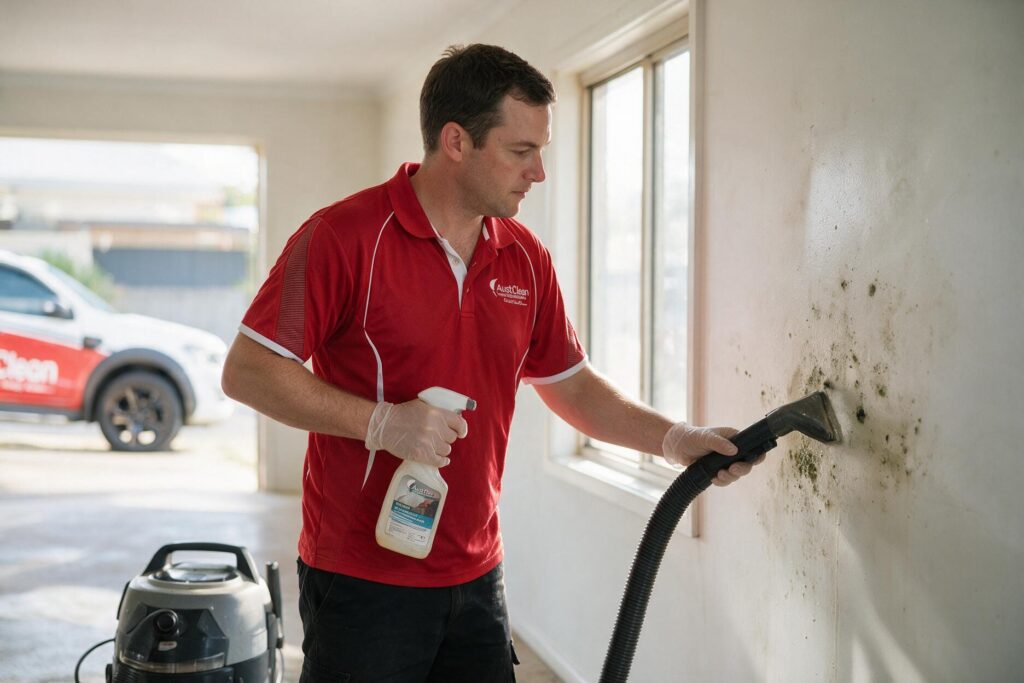
Others lean toward industrial cleaning franchise work such as warehouses or specialised medical environments, which often need extra training and strict WHS systems.
Multi‑service models give another option.
For example, a franchise may mix recurring house cleans with end‑of‑lease work, carpet and upholstery care and small commercial contracts.
This kind of mix, used by AustClean, can balance daytime domestic jobs with evening office work so income is not tied to one client type.
Stronger options share a few ingredients:
-
a recognised brand with a solid local reputation
-
visible reviews and a clear presence in your state
-
documented processes for quoting, cleaning standards, chemicals, WHS and customer service
These elements help every client receive consistent results.
AustClean adds central marketing, a lead flow from its website and group buying power on equipment and supplies, which can reduce running costs for franchisees.
For many first‑time owners, the appeal sits in a staged move from wage work into self‑employment, guided by a head office team and a network of other operators.
How To Break Down The True Cost Of A Cleaning Franchise In Australia
Understanding cleaning franchise cost Australia means looking at the full picture, not just the headline fee.
For any commercial cleaning franchise or home cleaning franchise, you need to add setup, working capital and ongoing royalties before you judge value.
AustClean aims to present these costs in a clear package, yet you still need your own checks.
What Costs Should You Expect Before You Own A Cleaning Franchise?
Before you own a cleaning franchise you will usually face several upfront items.
Typical upfront costs include:
-
Franchise fee – covers the right to use the brand, access systems and attend initial training.
-
Equipment and supplies – commercial vacuums, mops, microfibre systems, chemicals, safety gear, uniforms and starter consumables.
-
Vehicle and signage – a suitable vehicle, sign‑writing and vehicle fit‑out if required.
A suitable vehicle is another key cost, whether it is a small van or a reliable car.
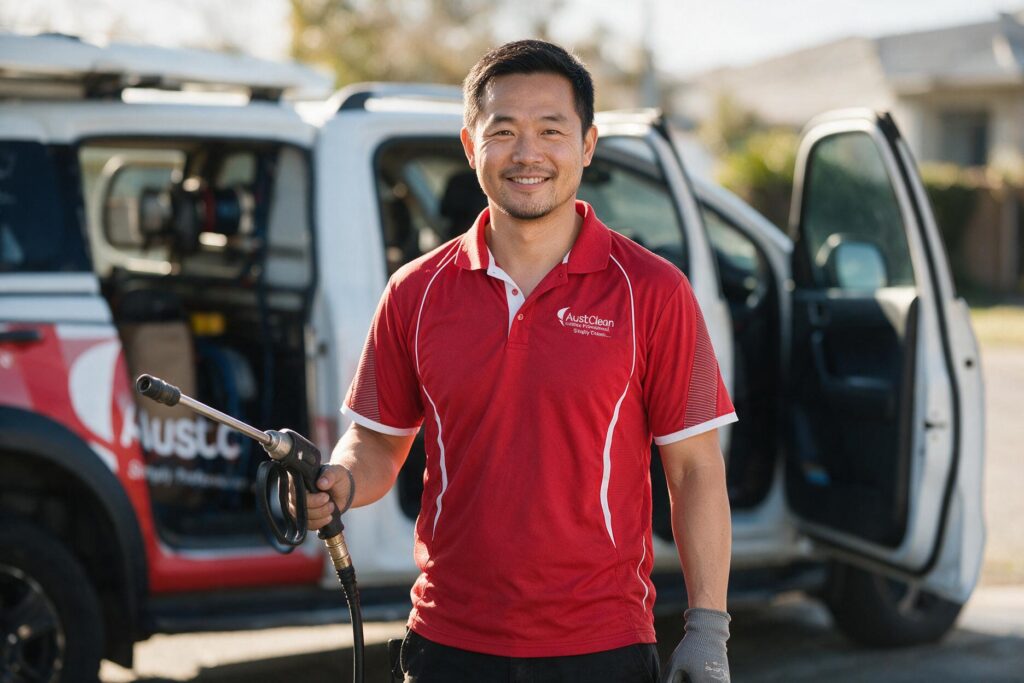
Some franchisors, including AustClean, require sign‑writing so your vehicle acts as mobile advertising in your territory.
You also need to allow for insurance on that vehicle plus public liability cover for your work.
Business setup brings its own list.
You may:
-
register an ABN or company
-
arrange accounting software
-
open a business bank account
-
set up bookkeeping from day one
Guidance from business.gov.au can help you tick off legal registrations for Australian small business owners.
Working capital acts as your buffer in the first year.
You need money for fuel, tolls, consumables, possible wages and your own living costs while your client base grows.
According to the Franchise Council of Australia and supported by the 2025 Franchisor Survey findings, many new franchisees underestimate this working capital buffer, which can cause early stress.
Ongoing costs sit on top of this base. These often include:
-
royalties on turnover
-
marketing levies for national or regional campaigns
-
software fees for job management or booking systems
-
insurance renewals, vehicle costs and equipment replacement
Most cleaning service franchise opportunities use some mix of these charges.
When you speak with AustClean or any franchisor, ask for a written breakdown that separates inclusions from extras.
Then take that schedule to an accountant who understands franchise investment due diligence, so you can test cash flow under different sales levels.
Tip: Ask the accountant to show you the “break‑even point” – the level of monthly revenue where your business moves from loss to profit.
How To Read A Franchise Disclosure Document And Assess Legal And Territory Terms
The franchise disclosure document and agreement set out your rights, duties and fees, so they deserve slow, careful reading.
For any Cleaning Franchise Opportunity, these documents explain how the relationship with the franchisor works over the full term.
The Australian Competition and Consumer Commission, or ACCC, oversees these rules through the Franchising Code of Conduct.
Under the Code, the disclosure document must include:
-
business history and experience
-
details of fees and charges
-
any significant litigation
-
information about franchisee numbers, transfers and closures
There is also a key facts sheet that gives a short summary, which you can place side by side with offers from different cleaning franchise companies.
The franchisor must give you these documents at least 14 days before you sign or pay non‑refundable money.
Next comes the franchise agreement.
Key clauses cover:
-
term length and any option to renew
-
reasons the franchisor can terminate
-
what happens at the end of the term
-
how royalties, marketing levies and other fees can change over time
Non‑compete clauses deserve special attention.
They often limit your ability to run a similar cleaning business nearby after you leave the system.
A franchise lawyer can explain whether those clauses look fair for an Australian cleaning services franchise in your situation.
Territory rights also matter a lot.
Some systems offer an exclusive or protected area, often defined by postcodes or suburbs, while others let multiple franchisees work across the same city.
AustClean usually allocates protected territories, which can make it easier to build long term relationships with local clients.
Watch for warning signs in any disclosure set, such as:
-
vague territory maps or unclear boundaries
-
unclear rules about fee increases
-
many recent disputes or terminations
-
strong pressure to sign before you gain advice
Independent legal advice is not just helpful, it is a sensible safeguard before you commit to any cleaning franchise cost or contract.
How To Evaluate Training, Support, Systems And Day To Day Reality
Good franchise support and training make a bigger difference than logos or vehicle wraps.
Your success in a commercial cleaning franchise or home cleaning franchise will rely on skills, systems and help when issues appear.
AustClean promotes its training programs, operations manuals and support team as key parts of its offer.
Is The Franchisor Set Up To Help You Succeed Long Term?
Quality initial training should take you through:
-
cleaning methods for homes, offices and specialist work such as bond cleans
-
quoting and pricing, including minimum rates that protect margins
-
scheduling and basic route planning
-
WHS obligations, PPE and safe chemical use
-
simple bookkeeping so you can manage cash flow
AustClean focuses on hands‑on training and ongoing educational resources so people without prior cleaning experience can step in with confidence.
Ongoing help matters just as much as the start.
Look for:
-
access to a field support manager
-
regular check‑ins and refresher training
-
updates when methods, chemicals or rules change
-
standard systems for quoting, invoicing, job management and quality checks
These help you keep both domestic and office clients happy.
Marketing support is a major factor.
National campaigns, a strong website and digital advertising from head office can send leads directly to franchisees, which AustClean highlights as part of its support.
You still need to handle local efforts such as meeting real estate agents, speaking with small offices and following up word‑of‑mouth referrals in your suburb.
Group buying power can cut ongoing costs.
Franchisors that negotiate with suppliers on equipment, chemicals and insurance can pass savings to their network, compared with stand‑alone operators.
Standard products and checklists also protect staff and clients, which lines up with advice from Safe Work Australia on WHS systems.
Lifestyle fit rounds out the picture.
Domestic work tends to fall during weekdays, while many commercial cleaning franchise opportunities involve early mornings, evenings or weekends.
Talking with current AustClean franchisees about their typical week will give you a real feel for hours, physical demand and family balance.
“Ask at least three franchisees: ‘What does a normal week look like, and what surprised you most once you started?’ Their answers tell you more than any brochure.”
How To Stress Test Financials, Demand And Fit Before You Invest
Revenue and profit in a cleaning franchise depend on territory demand, pricing discipline, cost control and how well you run the business.
Before you commit to any Cleaning Franchise Opportunity, you need to model different outcomes and see how they sit with your risk appetite.
This step combines market research, numbers and honest self‑assessment.
Start with demand in your proposed territory.
Check population size, renting levels, median income and the mix of homes, offices and light industrial sites.
Recent data from the Australian Bureau of Statistics shows a large share of Australians live in rental homes, which supports steady bond clean demand.
Then look at competition.
-
Search online for independent cleaners and other cleaning franchise companies.
-
Note niche operators such as carpet cleaners and window cleaners.
-
Check who appears in Google Maps, local Facebook groups and real estate agency referral lists, since these channels often drive new work.
Next, map your possible revenue mix.
-
Domestic clients give recurring weekly or fortnightly income.
-
Commercial contracts can provide higher monthly totals but may need staff and more formal tenders.
-
One‑off services such as bond cleans and builders cleans add spikes, which AustClean franchisees often combine with regular runs.
Major cost lines will include wages or contractor payments, fuel, chemicals, equipment repairs, insurance, royalties and marketing.
The Fair Work system, overseen by the Fair Work Ombudsman, shapes wage and leave entitlements if you hire staff.
Factor these carefully into your forecasts so you are not undercharging.
Use the franchise disclosure document and any typical cost tables from the franchisor as a starting point.
With your accountant, build best, base and worst case cash flows and test what happens if:
-
fuel prices rise
-
a large office cleaning client leaves
-
staff costs lift
-
you face a period of slower new client enquiry
Conservative planning reduces stress if growth takes longer than hoped.
Finally, think about personal fit.
Decide whether you prefer a hands‑on role or hope to manage multiple teams over time.
Clarify whether your goal is income replacement, long term growth for resale or a flexible small business franchise Australia option that fits other commitments.
Bringing It All Together Before You Invest
Evaluating a cleaning services franchise means stepping through several pillars, not just trusting sales material.
You need to understand the true cost, from franchise fee to working capital, and to walk through disclosure documents, legal clauses and territory terms with a specialist lawyer.
You also want a clear view of training, support, marketing, demand in your area and how the work matches your lifestyle.
AustClean can serve as a useful benchmark while you compare options, thanks to its focus on domestic and commercial clients, structured training and strong national marketing.
Use the same questions from this article with any other brand so you can compare like with like.
Careful franchise investment due diligence, backed by independent accounting and legal advice, will give you a far better base than any verbal promise.
If a cleaning franchise opportunity still feels right after that process, the next step is a calm discussion with the franchisor about available territories and timing.
When you are ready, you can reach out to AustClean to explore its current cleaning franchise business options and see whether they line up with your goals and values.
Frequently Asked Questions
Question: How Do I Compare Different Cleaning Franchise Companies Fairly?
You compare cleaning franchise companies by looking at total investment, support, territory rights, demand and track record.
Use each key facts sheet and franchise disclosure document side by side.
Then speak with several current franchisees from each system to hear real experiences.
Question: Is A Home Cleaning Franchise Or Commercial Cleaning Franchise Better In Australia?
Neither home cleaning nor commercial cleaning is automatically better, they simply suit different people.
Home cleaning leans toward weekday daytime work and closer relationships with residents.
Commercial and office cleaning rely more on contracts, often after hours, and many brands such as AustClean blend both for balance.
Question: What Red Flags Should I Watch For In A Cleaning Service Franchise Opportunity?
Red flags include high pressure to sign, vague income claims and little transparent financial information.
Watch for poor online reviews, many disputes in the disclosure document or very short training programs.
Be wary if territory rights seem unclear or the franchisor avoids letting you speak to current franchisees.
Question: Do I Need Cleaning Experience To Buy A Cleaning Franchise?
You usually do not need prior cleaning experience to buy a franchise.
Most systems, including AustClean, design franchise support and training for people new to the industry and to business.
Stronger predictors of success are work ethic, attention to detail, customer focus and willingness to follow the system.
Question: How Long Does It Usually Take For A Cleaning Franchise To Become Profitable?
Time to profit varies widely between cleaning franchises.
It depends on territory demand, hours you work, client mix and how closely you manage costs.
No franchisor can guarantee timing, so build several financial scenarios with an accountant and keep a solid working capital buffer.
Question: Can I Scale A Cleaning Franchise And Run Multiple Teams?
Yes, many franchisees in systems like AustClean start alone and later add staff and extra vehicles.
Scaling needs strong hiring, training and quality control so standards stay high.
Ask the franchisor how their systems support multi‑team operators and what extra guidance you will receive.
Final reminder: Always seek independent legal and financial advice and complete thorough due diligence before signing any franchise agreement or paying non‑refundable fees.