If you live in Adelaide or regional South Australia, you know the story: no matter how often you wipe, vacuum, or mop, dust always seems to come back. Fine red dust on the wind, spring pollen, pet hair, and everyday particles from inside your home settle on every surface. To reduce dust in your house effectively, combine weekly vacuuming with a HEPA filter, regular microfiber dusting, sealing gaps where dust enters, controlling indoor humidity, and using a good air purifier in key rooms.
If you’re searching for real, practical advice on how to reduce dust in house and keep it that way, you’re not alone. Dust affects comfort, health, and how clean your place looks to family, guests, staff, and potential tenants.
But there’s good news—you can fight back. With the right habits, tools, and a mix of DIY and professional help from trusted local teams like AustClean, you can cut dust dramatically, improve indoor air quality, and make your home or office a cleaner, healthier space. Let’s explore expert cleaning tips tailored to South Australian conditions, drawing on advice from organisations such as SA Health and Allergy & Asthma Australia.
Whether you’re a homeowner, renter, property manager, or office manager in Adelaide or beyond, these steps will help you take control of dust instead of letting it take over your space.
Key Takeaways
- Reduce dust in your house by combining HEPA vacuuming, microfiber dusting, sealed gaps, humidity control, and quality air purifiers.
- Focus on high-impact areas first: floors, bedrooms, soft furnishings, and HVAC filters.
- Control dust sources by using doormats, a shoes-off policy, regular pet grooming, and seasonal deep cleaning.
- Use tools backed by organisations like ASHRAE and SA Health, including HEPA vacuums, dehumidifiers, and True HEPA air purifiers.
- Partnering with professional cleaners such as AustClean helps maintain low dust levels in busy homes, rentals, and offices.
“Dust is made every day, which means controlling it is about habits rather than one-off effort.” – Australian Environmental Health Practitioner
What Is Dust And Why Does It Keep Coming Back?
Indoor dust is a mix of tiny indoor and outdoor particles that constantly settle on surfaces and are easily stirred back into the air, which is why it keeps reappearing even after a thorough clean.
Household and office dust is a mix of tiny particles, often including:
- Dead skin cells from people and pets
- Hair and pet dander
- Tiny bits of clothing, carpet, and upholstery fibers
- Pollen and plant fragments
- Fine dirt and soil tracked in on shoes and paws
- Soot and combustion particles from cooking, candles, and vehicles
- Microplastics from synthetic fabrics, packaging, and furnishings
- Dust mites and their droppings
- Smoke and general air pollution that has settled indoors
Studies suggest a large share of indoor dust comes from outside, hitching a ride on clothes, shoes, hair, and pets or blowing in through gaps, doors, and windows. The rest is created indoors from people, fabrics, paper, and daily activity. Research published by the Journal of Environmental Health has estimated that people in developed countries spend around 90% of their time indoors, which increases total exposure to this dust mixture.
Dust is extremely light. Simple actions like sitting on the sofa, making the bed, turning on a fan, or running the air conditioner can send settled dust back into the air. It floats for a while and then drops back down onto your freshly cleaned surfaces and floors. That’s why dust seems to “reappear” so quickly after you clean—it was never all gone, just moved around.
For anyone with asthma, allergies, or other breathing issues, this matters — a prospective study on Inequalities and indoor air pollution found that exposure to indoor PM2.5 disproportionately affects vulnerable groups, underlining why reducing household dust is a genuine health priority. Some reports cited by the World Health Organization suggest that indoor air pollution can increase the risk of respiratory illness in children by up to 40% in high-exposure households.
- Trigger sneezing, runny nose, itchy eyes, and cough
- Worsen asthma and other respiratory conditions
- Irritate skin
- Carry fine particles that reach deep into the lungs
Reducing dust is not only about appearances. It’s a real health issue in homes, rentals, and workplaces, which is why bodies such as SA Health and the Australian Institute of Occupational Hygienists (AIOH) emphasise regular cleaning and filtration.
Why Dust Is Such A Problem In Adelaide
Adelaide and wider South Australia experience dry, windy conditions and older housing stock that make indoor dust build-up faster than in many coastal or more humid regions.
South Australia’s climate makes it especially easy for dust to build up, even when you clean regularly:
- Dry winds: Hot, dry conditions sweep fine dust into homes, especially during summer and on windy days. In some suburbs, that red dust feels endless.
- Proximity to farmland: Rural and semi-rural areas experience seasonal dust from paddocks, harvest, and unsealed roads. Even in the suburbs, tractors and nearby fields can add to the load.
- Older housing stock: Many Adelaide homes have gaps around windows, doors, floorboards, and skirting boards where dust sneaks in. Older ductwork and vents can also shed and spread dust.
- Allergens: Pollen, pet dander, and mites add to the mix, especially in spring.
- Construction and roadworks: New builds, extensions, and constant road upgrades stir up extra dust that easily drifts into nearby homes and offices.
Dust isn’t just a nuisance. In South Australia’s dry climate, it contributes to allergies, asthma flare-ups, and general respiratory discomfort. Learning how to reduce dust in house here is as much about health as it is about cleanliness. SA Health notes that around 2.7 million Australians live with asthma, and local conditions like dust storms can significantly increase emergency presentations on peak days.
Core Principles: How To Reduce Dust In House Effectively
Whatever type of property you care for—home, rental, office, or commercial space—two basic ideas make the biggest difference:
- Capture Dust, Don’t Just Move It
Use tools and methods that trap dust (in cloths, filters, or vacuum bins) instead of flicking it into the air where it resettles. Organisations like ASHRAE highlight that high-efficiency filters and sealed vacuum systems can remove a large proportion of airborne particulates when maintained correctly. - Control Sources And Pathways
Reduce how much dust comes in, limit how much is created indoors, and remove it thoroughly from surfaces, floors, and air on a regular schedule.
Every tip below fits into one or both of these principles and will help you steadily reduce dust in your house over time, especially when combined with periodic professional services from AustClean.
Step 1: Focus On Floors
Floors are the main landing zone for indoor dust, so effective dust control always starts with thorough, regular floor cleaning using good equipment and technique.
If you want to know how to reduce dust in house for good, start from the ground up.
Carpets And Rugs
Carpets and rugs trap huge amounts of dust, dander, and fibers. To keep them from becoming permanent dust reservoirs:
- Vacuum at least once a week in low-traffic areas, and more often in entries, halls, and living rooms. Busy households with kids or pets may need vacuuming several times a week; the Journal of Allergy and Clinical Immunology has reported that weekly carpet vacuuming with HEPA filtration can reduce allergen levels by 30–50% over several months.
- Vacuum slowly and in different directions. Make 2–3 passes over each area so the brush can lift dust from deep in the pile.
- Move and lift where you can. Vacuum under rugs, beds, and sofas, and along wall edges where dust gathers.
- Take smaller rugs outside to beat them. An occasional good shake or beat will release deep-set dust that vacuums miss.
- Plan regular deep cleaning. Even with good vacuuming, carpets hold embedded dust and allergens. Professional carpet cleaning at least once a year helps reset everything and supports your weekly efforts, which is why companies such as AustClean, Dyson, and Miele all recommend scheduled deep cleans to protect both health and flooring.
Hard Floors: Tile, Timber, And Vinyl
Hard floors show dust easily, but they are also easier to clean thoroughly:
- Vacuum rather than sweep. Sweeping often pushes dust into the air or into corners. Use the hard-floor head on your vacuum to remove dust completely.
- Mop after vacuuming. A damp microfiber mop picks up the fine film that vacuums leave behind. Microfiber systems tested by the American Industrial Hygiene Association (AIHA) have been shown to capture more fine dust than traditional cotton mops.
- Pay attention to edges and corners. Run a crevice tool or edge nozzle along skirting boards where dust and hair collect.
- Protect entry points. Use sturdy mats at front and back doors to catch grit and dust before it spreads across the house.
HEPA Vs Standard Vacuums: Which Is Better For Dust?
When you’re serious about how to reduce dust in house, the type of vacuum you use matters, and brands like Dyson, Miele, and SEBO have built their reputations on strong suction combined with effective filtration.
| Feature | HEPA Vacuum | Standard Vacuum |
|---|---|---|
| Filtration | Captures very fine particles, including many allergens | Captures larger dust but can leak fine particles |
| Best For | Allergy/asthma sufferers, homes with pets, offices | Low-sensitivity homes, light dust loads |
| Air Quality Impact | Keeps more dust in the machine, out of the air | May blow some dust back into the room |
| Cost | Usually higher | Usually lower |
| When To Choose For SA Homes | If dust, pollen, or smoke are ongoing problems | If budget is tight and dust load is lighter |
If someone in your home has allergies or asthma—or you’re managing a dusty rental or office—a HEPA vacuum is usually the better choice. Industry testing often shows that certified HEPA vacuums capture at least 99.97% of particles down to 0.3 microns, which dramatically reduces the fine dust that can aggravate lungs.
Step 2: Control Dust In Bedrooms
Bedrooms matter most—after all, you spend 6–8 hours there every night, breathing whatever is in the air and on the bed. That’s why any plan for how to reduce dust in house should give bedrooms special attention.
- Wash bedding weekly in hot water to kill dust mites and remove skin cells, sweat, and dander. If anyone is allergy-prone, keep water at the hottest safe setting for the fabric. Some allergy specialists recommend at least 55–60°C to significantly reduce mite populations.
- Use allergen-proof mattress and pillow protectors. These covers act as a barrier between you and dust mite habitats. Wash them every 1–2 months. Recognised brands like Protect-A-Bed and AllerEase offer encasements that are lab-tested for allergen blocking.
- Vacuum mattresses regularly. Use the upholstery attachment several times a year, focusing on seams and tufts.
- Wash or vacuum curtains, or swap to blinds for easier cleaning. Fabric curtains hold dust; vacuum them with a soft brush, or launder/steam-clean according to the label.
- Minimize clutter. Books, decor, soft toys, and extra cushions collect dust. Keep only what you really need on bedside tables and open shelves.
- Keep under the bed clean. Vacuum or mop under the bed and behind furniture often—these quiet spots are major dust traps.
- Limit pets on the bed if allergies are an issue. Pet hair and dander add significantly to bedroom dust.
“Your bed is one of the most important places to focus on when reducing dust and allergens.” – Allergy & Asthma Australia
Step 3: Clean Air, Not Just Surfaces
Airborne particles contribute heavily to overall dust levels, so cleaning the air with filters, purifiers, and smart ventilation is just as important as wiping surfaces.
Dust doesn’t just settle—it floats. Controlling airborne dust is a big part of how to reduce dust in house, especially in South Australia’s dry climate.
- Air purifiers: Invest in a HEPA air purifier for bedrooms and main living areas. Choose a unit rated for the room size and run it regularly, ideally most of the day, for steady dust reduction. Brands such as IQAir, Winix, and Philips offer models independently tested by groups like AHAM (Association of Home Appliance Manufacturers).
- Air conditioning filters: Clean or replace filters at least every 3 months. In very dusty areas or homes with pets, monthly changes can make a real difference.
- Seal gaps: Use weather strips and draft stoppers on doors and windows to keep outdoor dust out and reduce hot or cold drafts.
- Ventilate smartly: Open windows during cleaner air times (early mornings or after rain), not on windy, dusty afternoons or during pollen peaks.
HVAC Filter Maintenance For Dust Control
Your heating and cooling system can either help or hinder your efforts to reduce dust in the house:
- Choose the right filters. Where your system allows, higher-efficiency filters (such as MERV 11–13) can capture more fine dust and allergens. Check with an HVAC professional if you’re unsure what your system can handle. ASHRAE guidelines note that moving from a low-efficiency filter to a MERV 13 filter can reduce fine particulate levels by 30% or more in some buildings.
- Change filters on a schedule. A common rule is every 1–3 months, but homes in dusty areas or with pets often need more frequent changes. Write the date on the filter and set a reminder on your phone.
- Check return vents and grilles. Dusty vents mean dust is circulating. Vacuum and wipe them often so they don’t blow dust back into rooms.
Using Air Purifiers To Cut Down Dust
Air purifiers are a strong helper when you’re working on how to reduce dust in house:
- Choose units with True HEPA filters (not just “HEPA-type”).
- Make sure the purifier’s coverage rating matches the room size.
- Place units where people spend the most time—bedrooms, living rooms, and home offices.
- Replace HEPA and pre-filters as recommended, or they stop working effectively.
For allergy-sensitive homes, medical suites, or open-plan offices, combining good filtration, sealed gaps, and one or more purifiers can noticeably lower dust levels and improve comfort. Independent consumer tests in Australia have found that a correctly sized HEPA purifier can cut fine particle counts by 50–80% in a closed room within an hour.
Step 4: Keep Furniture And Surfaces Dust-Free
Furniture, shelving, and benchtops catch dust every day, so a regular microfiber routine keeps surfaces cleaner for longer and supports all your other dust-control efforts.
Once floors and air are under control, the next step in how to reduce dust in house is keeping furniture and surfaces consistently clean.
Start with a simple rule: dust from top to bottom so you don’t re-dirty areas you’ve already cleaned.
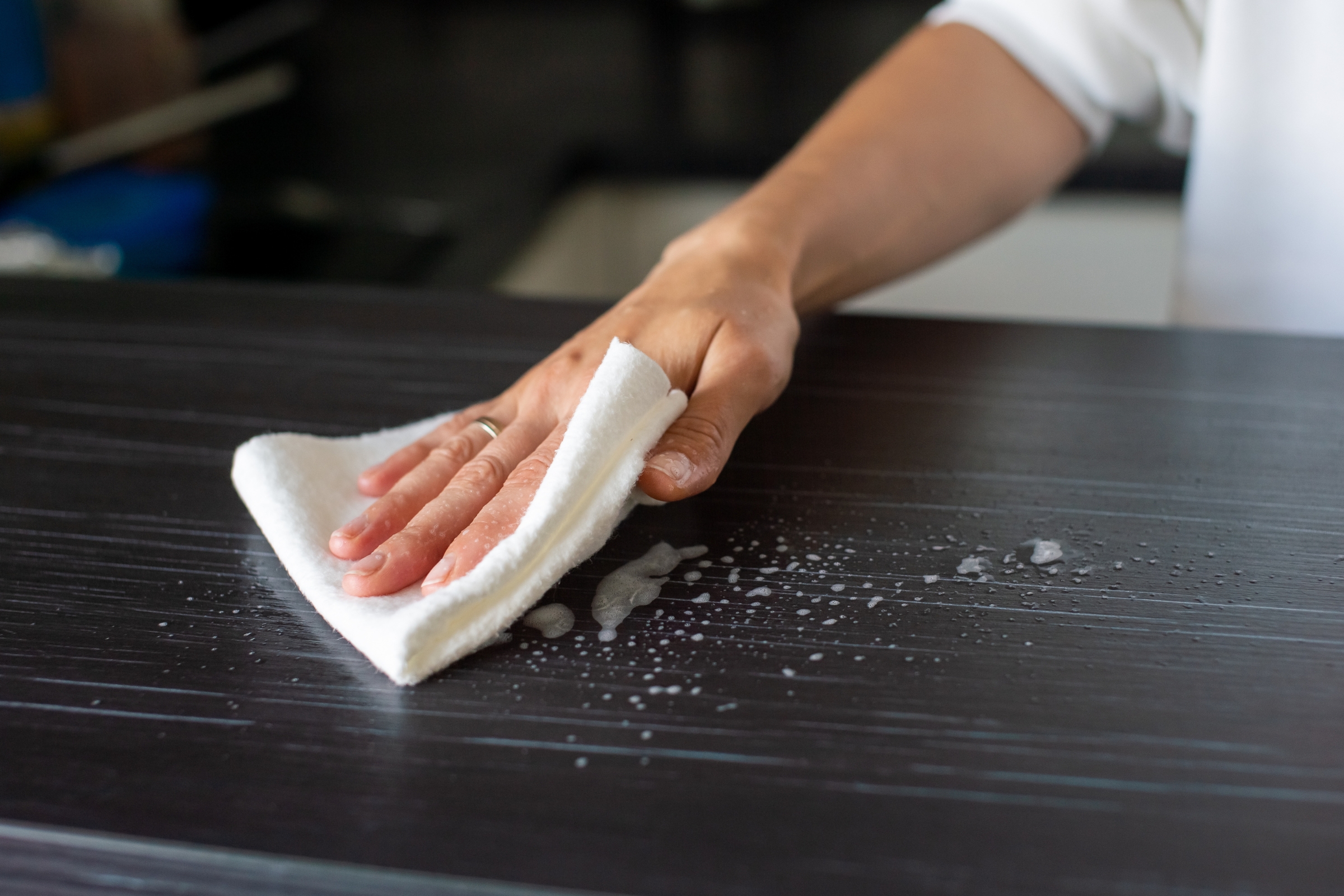
- Use microfiber cloths instead of feather dusters. Microfiber grabs and holds dust instead of flicking it into the air. Use a slightly damp cloth for general dusting, followed by a dry cloth for a streak-free finish.
- Work high to low. Begin with ceiling corners, fans, light fittings, and the tops of cabinets. Then move down to shelves, picture frames, and tables, and finish with skirting boards.
- Dust electronics gently. TV screens, speakers, and consoles attract dust through static. Use a dry or barely damp microfiber cloth, and avoid spraying cleaner directly on screens.
- Include neglected spots. The tops of doors, frames, and high shelves are easy to forget, but they hold layers of dust that fall down every time a door closes or the wind rattles a window.
- Clean as you declutter. When you move items off a shelf or desk, give the whole surface a quick dust before putting things back.
For offices and commercial spaces, scheduled top-to-bottom dusting of partitions, signage, and high ledges helps keep the whole area looking fresh and professional. Many AustClean commercial clients in Adelaide schedule this at least quarterly to present a consistently clean environment to staff and customers.
Step 5: Target The Hidden Dust Traps
Some areas collect far more dust than others and often get skipped in day-to-day cleaning. Focusing on these “quiet” spots is key to how to reduce dust in house long-term.
- Upholstery: Vacuum couches, armchairs, and fabric dining chairs regularly. Use the upholstery tool and get into seams, creases, and under cushions where dust, crumbs, and pet hair build up.
- Electronics: Wipe TVs, computers, printers, modems, and cables—static attracts dust and fluff. A soft microfiber cloth and a small brush attachment on your vacuum work well here.
- Cupboards and wardrobes: Clean inside seasonally, especially in seldom-used spaces. Wipe shelves, vacuum wardrobe floors, and dust the tops of cabinets and wardrobes that sit near ceilings.
- Window tracks and sills: South Australian red dust loves window tracks. Vacuum loose dirt first, then scrub tracks with a small brush dipped in warm soapy water and wipe dry with a cloth or cotton swabs for corners. Clean sills, frames, and screens at the same time.
- Ceiling fans and light fittings: These collect thick dust that drops onto beds and furniture whenever the fan runs. Use an extendable duster or vacuum attachment to clean blades and fittings.
- Under and behind furniture and appliances: Move sofas, beds, fridges, and washing machines when you can to vacuum and mop underneath and behind them.
Targeting these areas every 1–3 months helps stop that frustrating cycle where dust seems to return the day after you clean. A study cited by the American Lung Association suggests that consistent attention to hidden dust reservoirs can reduce overall allergen loads in a home by about 20% over a year.
Step 6: Seasonal Deep Cleaning
South Australian households benefit from quarterly deep cleans, especially if you want to seriously reduce dust in the house and keep it under control.
Seasonal tasks to add to your calendar include:
- Carpet steam cleaning: Hot water extraction or professional steam methods remove ground-in dust, dust mite allergens, and stains that regular vacuuming misses. Many carpet manufacturers, including well-known brands like Godfrey Hirst, suggest professional cleaning every 12–18 months to maintain both warranty and hygiene.
- Pressure cleaning outdoor areas: Clean driveways, paths, patios, and entryways to cut down on the dirt and dust that gets tracked inside.
- Curtain and blind cleaning: Wash, steam, or vacuum curtains and dust blinds thoroughly. This is especially helpful before and after pollen season.
- Mattress vacuuming and sanitizing: Deep clean mattresses to reduce mites, sweat residues, and odors. Aim for at least once a year, more often for allergy sufferers or in rental turnovers.
Professional cleaners like AustClean bring commercial-grade equipment—HEPA vacuums, steam machines, and pressure cleaners—to remove dust and grime you can’t tackle with standard household tools. While prices vary, many Adelaide households find that investing a few hundred dollars per deep clean several times a year saves hours of labour and noticeably improves comfort.
“Routine deep cleaning can reduce allergy symptoms as effectively as some medications.” – Journal of Environmental Health (summary of multiple studies)
DIY Vs Professional Cleaning
DIY cleaning is excellent for weekly maintenance and day-to-day control. Regular vacuuming, dusting, and smart habits go a long way. But over time, dust still builds up in carpets, soft furnishings, vents, and high areas that even the most committed homeowner can’t easily reach.
Professional deep cleaning offers:
- Deeper dust removal from carpets, upholstery, mattresses, and vents with commercial equipment.
- Better air quality, thanks to HEPA filtration and thorough top-to-bottom routines.
- Time savings for busy families, business owners, and property managers.
- Bond and presentation-ready finishes for end-of-lease cleans and pre-sale styling.
- Consistent results across multiple properties, which is especially helpful for real estate and strata managers.
For Adelaide homeowners, combining weekly DIY cleaning with seasonal professional services from AustClean provides a practical balance. The same approach works well for offices, retail spaces, and rentals where a clean, low-dust environment makes a strong impression. According to some property managers, well-maintained, visibly clean homes can rent 5–10% faster than comparable but poorly presented properties.
Interested in cleaning as a business? Dust control sits at the heart of regular residential and commercial work that AustClean franchisees handle, making it a repeat, reliable service for clients.
Everyday Habits That Help Keep Dust Down
Small changes in daily routines make a big difference in how to reduce dust in house and keep it low:
- Use two doormats—outside and inside. This simple step catches a lot of dirt and grit before it reaches your floors. Some studies on “entryway systems” in commercial buildings show they can capture 70–90% of incoming soil when used consistently.
- Consider a “shoes-off inside” habit. Keep a small rack near the door and, if you like, offer guest slippers.
- Reduce clutter. Fewer ornaments, stacks of paper, and random items on surfaces mean fewer dust-catching spots and faster cleaning.
- Groom pets regularly. Brush dogs and cats outside when possible and wash their bedding often.
- Control humidity. Keep indoor humidity below about 50% to discourage dust mites and reduce static that makes dust cling. A small dehumidifier from brands like De’Longhi or Breville can help in damp rooms; many allergists suggest a 40–50% range as ideal for minimising mites and mould.
- Keep cleaning tools clean. Wash microfiber cloths separately (no fabric softener), rinse mops well, and empty vacuum bins before they’re overfull.
These habits support every other step you take to reduce dust in the house and make cleaning feel less overwhelming. Partnering with a regular domestic cleaning service such as AustClean can make it easier to keep these habits on track when life gets busy.
How Often Should You Clean To Reduce Dust In House?
Dust builds up at different rates depending on pets, people, and the local environment, but these guidelines work well for many South Australian homes and small offices:
- Daily or every few days
- Wipe kitchen counters and dining tables.
- Spot-vacuum high-traffic areas and entry mats.
- Weekly
- General dusting of key surfaces in living areas and bedrooms.
- Vacuum all floors (more often if you have pets).
- Wash sheets and pillowcases.
- Every 1–3 months
- Dust high and hidden areas: fan blades, tops of cabinets, wardrobe tops, and vents.
- Clean window tracks and sills.
- Wash or vacuum curtains and blinds, especially in dusty or high-pollen zones.
- Every 3–6 months
- Change HVAC filters (more often in dusty or pet-heavy homes).
- Deep clean bathrooms and kitchens, including cabinet tops and behind appliances.
- Annually (or twice a year)
- Professional carpet cleaning and upholstery refresh.
- Full mattress vacuuming and treatment.
- Exterior pressure cleaning around entries.
If someone in the home has serious allergies or asthma, or if you’re managing a busy office or rental, increase the frequency of key tasks, especially vacuuming and surface dusting. Allergy & Asthma Australia notes that in high-sensitivity households, twice-weekly vacuuming and dusting may be necessary to keep symptoms under control.
FAQs About Dust In Your Home
Why Does Dust Return So Quickly?
Dust seems to come back overnight because:
- People and pets constantly shed skin cells and hair.
- Fibers from clothes, carpets, and furnishings break off all the time.
- Outdoor dust keeps entering on shoes, paws, and the breeze.
- Everyday activities—sitting on the sofa, opening curtains, turning on fans—stir settled dust back into the air, where it floats before settling again.
If wiping surfaces doesn’t include removing dust from floors, fabrics, and the air, you’re mostly just moving dust around. Using good tools (microfiber, HEPA vacuums, and air purifiers) and following a top-to-bottom routine is the most effective way to truly reduce dust in the house. Regular help from a service such as AustClean can also break the cycle if you’ve fallen behind.
What Is The Best Tool For Dusting?
No single tool does everything, but for most South Australian homes these work best:
- Microfiber cloths for general dusting of furniture, decor, and electronics—they grab and hold dust instead of spreading it.
- A quality vacuum with good filtration (ideally HEPA) for floors, upholstery, mattresses, and vents.
- Extendable dusters or vacuum attachments for ceiling fans, light fittings, and high shelves.
Feather dusters and dry rags tend to flick dust into the air. If your aim is how to reduce dust in house over the long term, microfiber plus a good vacuum and occasional professional help is a far better combination. Consumer testing by organisations like CHOICE in Australia often ranks microfiber-based tools and HEPA vacuums as the most effective options for everyday home dust control.
Do indoor plants increase or reduce dust?
Indoor plants can have both effects. Leaves and soil can collect dust if they’re not cleaned, but plants may also help capture and settle some airborne particles. Research from NASA’s Clean Air Study and later indoor air-quality projects suggests that plants can slightly improve perceived air quality, but they don’t replace proper ventilation, filtration, and cleaning. If you keep plants, wipe their leaves gently every few weeks so they don’t become extra dust traps.
Conclusion: Winning The War On Dust
Dust may be part of life in South Australia, but it doesn’t have to dominate your home or office. By understanding what dust is, changing a few daily habits, using better tools, and following a simple plan, you can reduce dust, improve air quality, and create a healthier, more comfortable space.
For many people, the most effective approach blends consistent DIY routines with scheduled professional deep cleaning. That way, everyday dust doesn’t build into a stubborn layer in carpets, upholstery, vents, and hidden corners. Following guidance from groups such as SA Health, ASHRAE, and Allergy & Asthma Australia, and working with trained teams, keeps your environment healthier over the long term.
With AustClean’s Adelaide team, you can stop fighting dust alone and enjoy a cleaner, fresher home or workplace year-round—whether you’re booking regular residential cleaning, arranging a bond or end-of-lease clean, setting up a commercial service, or exploring an AustClean franchise opportunity focused on keeping property dust under control.