
Managing end of lease inspections becomes far easier when everyone works from the same clear Property Manager Bond Cleaning Checklist. Without a structured checklist, tenants often miss important details, property managers spend extra time handling disputes, and owners worry about whether the property will be presented properly for the next tenancy.
This guide walks through a complete room by room bond cleaning checklist for Australian rental properties, including legal expectations, common inspection fail points and practical systems that help property managers, owners and tenants stay aligned. Whether you manage a single investment property or an entire rent roll, this checklist will help make final inspections smoother, faster and far less stressful.
Jump to section
- Why you need a Property Manager Bond Cleaning Checklist
- What Is A Property Manager Bond Cleaning Checklist (And Why It Matters In Australia)?
- How To Prepare For A Bond Clean And Exit Inspection (Step-By-Step)
- Whole Property Bond Cleaning Checklist What Must Be Done In Every Room
- Room By Room Bond Cleaning Checklist For Property Managers
- Turning Your Checklist Into A Stress Free System For Property Managers And Owners
- Wrapping Up Your Next Bond Clean With Confidence
- Frequently Asked Questions
Why you need a Property Manager Bond Cleaning Checklist
End of lease inspections often feel stressful when there is no clear Property Manager Bond Cleaning Checklist that spells out what must be spotless. A solid list covers every room, including walls and ceilings, doors and skirting, windows and tracks, lights, kitchen appliances and cupboards, bathrooms and laundry, carpets and hard floors, plus outdoor spaces like balconies, yards, garages and bins, all checked against the entry condition report.
Without that structure, property managers juggle disputes, tenants guess what “reasonably clean” means, and owners worry about property presentation. According to RTA Queensland, tenants must return the place reasonably clean and similar in condition to the start, which still leaves plenty of room for arguments.
This guide explains exactly what a Property Manager Bond Cleaning Checklist includes, how it links to Australian tenancy law, and how to turn it into a simple, repeatable system. You will also see where AustClean fits in when a professional bond clean makes more sense than DIY.
Ready to make the next vacate far calmer and more predictable for everyone involved?
Key Takeaways
A clear Property Manager Bond Cleaning Checklist gives property managers, owners and tenants the same written standard, room by room. It turns vague expectations into a concrete list and helps everyone see whether a property is truly inspection ready.
-
A structured checklist means final inspections run faster and with fewer surprises. Property managers can walk each room once, tick items as they go and move straight on to advertising the property. That shorter gap between tenants keeps owners happy and eases your workload.
-
A good checklist closely follows tenancy rules across Australia so it matches the “reasonably clean” standard regulators use. That alignment means property managers can defend decisions during bond discussions and tenants feel they have been treated fairly. Everyone sees the same benchmark.
-
Professional help becomes important when time is short or the property has heavy use. In those cases, a DIY approach often misses detail. AustClean offers inspection focused bond cleans that match real estate expectations, which cuts down repeat visits and awkward re-clean notices.
-
The same core list can work for a small unit in Brisbane or a large house in regional Victoria. Property managers simply add or remove sections for pools, sheds, furnished rooms or large gardens, then save it as a shareable bond clean checklist PDF for their team.
-
Used well, the checklist becomes a quiet stress reducer. It guides tenants step by step, supports property managers during inspections and helps owners feel their asset will show well in photos and opens, without constant disputes about minor cleaning items.
What Is A Property Manager Bond Cleaning Checklist (And Why It Matters In Australia)?
A Property Manager Bond Cleaning Checklist is a detailed, inspection grade end of lease cleaning checklist that mirrors exactly what agents look at when comparing entry and exit condition. Unlike a casual vacate cleaning checklist, it is built around tenancy law and real estate practice across Australia.
In simple terms, it lists every area that must be clean before keys come back, from oven trays to window tracks. It also reminds property managers to compare each item with the entry condition report, not with a dream of brand new condition. According to Consumer Affairs Victoria, bond decisions should always reflect the condition at the start, allowing for fair wear and tear rather than perfection.
“Tribunals look at what the property was like at the beginning and what it is like at the end, not what anyone wishes it looked like,”
— Senior Tenancy Advocate, Melbourne (general industry observation)
How Bond Cleaning Fits Into Australian Tenancy Law
Bond cleaning in Australia links directly to the legal duty to leave a rental “reasonably clean” and in similar condition to the start. Regulators such as RTA Queensland and NSW Fair Trading all explain that comparison must use the entry condition report and photos, not memory.
In practice, this means a Property Manager Bond Cleaning Checklist works hand in hand with those reports. Each ticked item shows you have checked the same walls, cupboards and fittings noted at the beginning of the lease. For example, if the oven already had light wear, the tenant does not owe a brand new oven, only a properly degreased one.
A key legal point is fair wear and tear. Faded paint, slightly flattened carpet or sun-bleached curtains usually sit in this category and cannot be claimed from the bond. Heavy grime, built up mould, pet stains or grease, in contrast, are cleanliness issues and belong on the checklist. When a property manager relies on that structure, cleaning expectations stay aligned with legislation rather than personal opinion.
Who Uses A Bond Cleaning Checklist (And How)?
The same checklist helps several people at once, which is why it pays to standardise it across a rent roll. Property managers can:
-
Attach it to welcome packs.
-
Send it again with notice to vacate letters.
-
Hold it in hand during exit inspections.
It becomes both a guide and a record.
Tenants use the list to plan their own work. Many will:
-
Block out time across a week.
-
Decide which jobs they will handle and which ones to book through AustClean or another professional cleaner.
-
Do a final self-inspection with the checklist in front of them.
According to Tenants Queensland, going room by room against a list is one of the best ways to avoid missed items at vacate.
Owners also gain from the same document. They can see what is reasonable to expect from tenants and what falls under owner maintenance, like repainting tired walls. For AustClean, a Property Manager Bond Cleaning Checklist doubles as a scope of work. It tells the local team exactly what the agency wants cleaned and which details, such as window tracks or exhaust fans, matter most in that portfolio.
How To Prepare For A Bond Clean And Exit Inspection (Step-By-Step)
Preparing for a bond clean and exit inspection means more than grabbing a mop at the last minute. A structured lease end cleaning guide sets the timeline, the paperwork and the cleaning approach so there is less rush during the final week.
For property managers, sharing this process with tenants reduces panicked phone calls and messy handovers. For tenants, it makes a large task feel manageable, even if they bring AustClean in for the heavy work.
Pre Clean Documentation And Planning
Good preparation for a bond clean starts on paper. Tenants and property managers should first pull out the lease agreement, the entry condition report and any photos stored in the office system. According to NSW Fair Trading, these records form the main evidence if a bond dispute reaches a tribunal, so it makes sense to base cleaning expectations on them.
Next, mark any special end of lease cleaning requirements. These might include:
-
Professional carpet steam cleaning.
-
Flea treatment after pets.
-
Specific expectations in body corporate rules for balconies and bins.
A short note from the property manager summarising these points, attached to the Property Manager Bond Cleaning Checklist PDF, gives the tenant a clear brief — property managers overseeing post-renovation properties can also reference the Final Builders Clean Checklist as an additional documentation benchmark.
Planning dates also matters. Property managers can encourage tenants to:
-
Move most furniture out at least a day before cleaning.
-
Leave a gap between removalists and inspection.
-
Lock in any professional services with enough notice.
That way, the AustClean team or the tenant has time to fix small issues before the final walkthrough.
Deciding Between DIY And Professional Bond Cleaning Including AustClean
Tenants often ask whether they really need professional bond cleaning or can rely on their own effort. A simple way to answer is to look at size, condition and time:
-
A small, well kept unit with a careful tenant and flexible schedule may suit a DIY approach that follows the checklist in detail.
-
Larger homes, busy households, pet tenancies or properties with heavy build up in the oven, bathroom or yard usually call for professional help.
According to RTA Queensland, a bond for a typical general tenancy often equals up to four weeks’ rent, so even a modest property can hold thousands of dollars. Losing a chunk of that over missed cleaning is an expensive lesson.
AustClean focuses on inspection ready bond work that lines up with property manager cleaning requirements. Local owner operators handle full end of lease cleaning plus carpet steam cleaning in one visit, and they follow a strict internal checklist that matches what agencies look for. Their Bond Back Guarantee, where the team returns within a short period to address cleaning items flagged by the agent, gives both tenants and managers extra confidence.
Tip from the field: “If the tenant works full time, has kids, pets or both, recommending a professional bond clean is usually kinder than watching them burn out during the final week.”
— Brisbane Property Manager, 800+ properties under management
Whole Property Bond Cleaning Checklist What Must Be Done In Every Room
A whole property rental property cleaning checklist covers tasks that apply in every room, regardless of layout or size. These items create the first impression when a property manager walks in for an exit inspection.
When those basics look right, many small conversations disappear. When they look poor, even a new kitchen feels less clean than it really is.
General Interior Cleaning Standards And Commonly Missed Items
General interior standards cover walls, ceilings, fixtures, storage and floors. Each space needs the same careful eye for dust, marks and leftover clutter. Property managers can walk through with this section of the Property Manager Bond Cleaning Checklist and see in minutes whether the tenant has taken the exit seriously.
Helpful interior focuses include:
-
Walls and ceilings in every room should be free of cobwebs and obvious marks. Light scuffs might sit within wear and tear, yet handprints, food splashes and heavy smears should not. Spot clean with a gentle product, blending the area so you do not leave obvious circles on matt paint.
-
Doors, frames and skirting boards collect more dust and scuffs than many tenants realise. Both sides of each door need a wipe, especially around handles. Skirting boards should look dust free rather than grey, and sliding door tracks need vacuuming and wiping so grit does not show at inspection.
-
Windows and glass matter a lot for inspection photos. Internal glass should show no streaks or fingerprints. Where safe, external glass should also look clean. Window sills and tracks need attention, as do flyscreens and mirrors. Dirty tracks and smeared mirrors are classic reasons for a re-clean request.
-
Light switches, power point surrounds and fittings attract grime and insects. A quick wipe of each switch, dusting of each fitting and removal of insects from shades makes a big difference when lights come on. AustClean teams routinely include this step because property managers often note it in reports.
-
Cupboards, wardrobes and other storage spaces must be empty and wiped inside and out. Shelves, corners, doors and handles all need cleaning. Wardrobe floors and linen cupboard bases should be vacuumed so no dust bunnies or stray pegs remain when an inspector opens them.
-
Floors complete the picture. Hard floors should be thoroughly vacuumed or swept and then mopped with a suitable product for timber, tiles or vinyl. Carpets need a detailed vacuum, especially along edges and inside wardrobes, and professional steam cleaning when the lease or entry report requires it.
Common inspection fails in this area include greasy rangehood filters, dirty window tracks, thick dust on ceiling fans and grime under or behind appliances that have been pulled out. Property managers can circle these on their copy of the vacate clean checklist and remind tenants well before the exit date.
Fair Wear And Tear Versus Cleaning In Practice
Fair wear and tear creates a lot of confusion, yet it is quite practical when viewed beside the checklist. According to Consumer Affairs Victoria, normal ageing from everyday use sits with the rental provider, while avoidable damage or neglect can justify bond claims.
Examples of wear and tear include:
-
Sun faded curtains.
-
Slightly worn carpet in hallways.
-
Minor scuffs that come from normal living.
These usually stay on the report as observations rather than cleaning faults. Heavy grease in the oven, thick mould in a shower, pet odours in carpet or lawns left knee high will sit firmly in the cleaning or damage column.
AustClean teams often help property managers sort the difference. If they notice cracked tiles, swollen cabinetry or damage that cleaning cannot fix, they can note it and take photos for the agency. Property managers can then base any bond claim on that evidence alongside the entry report, rather than on memory.
Room By Room Bond Cleaning Checklist For Property Managers
A room by room end of tenancy cleaning checklist turns a big job into clear sections. Property managers can use it both as a tenant handout and as a structured inspection sheet.
Four zones usually deserve the closest attention in Australia. These are the kitchen, bathrooms and laundry, all internal living areas and bedrooms, and external spaces such as balconies, gardens and garages.
High Risk Inspection Zones Kitchen Bathrooms And Laundry
Kitchens, bathrooms and laundries are high scrutiny areas because they involve food, water and hygiene. Any grime here stands out strongly to owners and new tenants. A Property Manager Bond Cleaning Checklist that gives extra space to these rooms helps avoid most bond disputes, as research into agency expectations confirms how demanding real estate standards can be — a Major Study Reveals Which Perth real estate agencies set the highest cleaning bars.
For kitchens in Australia, focus on the full bond cleaning checklist Australia standard:
-
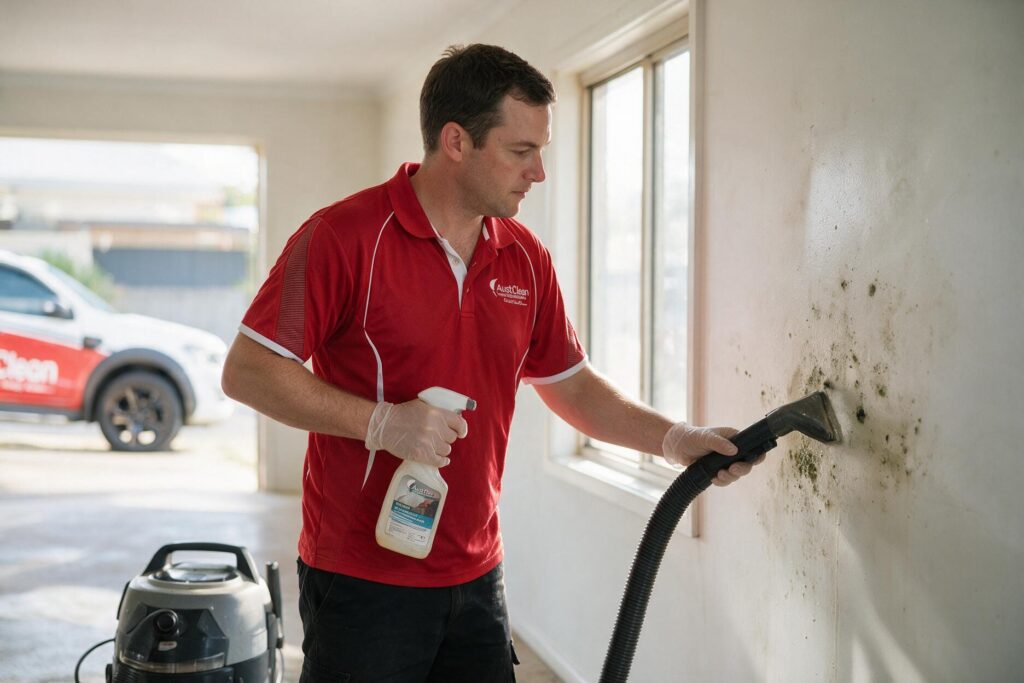
Oven and grill interior, including racks, trays and door glass, should show no baked on residue. Tenants or AustClean cleaners need to degrease the oven walls, ceiling and base, wipe knobs and handles and clean any drip trays. Property managers often run a hand along the door edge to see if grease remains.
-
Stovetop and rangehood areas gather a lot of oil. Each burner, trivet or ceramic surface should be free from food spills and burnt marks. Rangehood covers and filters need careful degreasing, and splashbacks plus grout lines should no longer feel sticky. Clean around control panels where fingers leave residue.
-
Benchtops, cupboards and pantry areas need wiping inside and out. Crumbs, grease around handles and dust on cupboard tops should all be gone. Pantry shelves must be free from food and stains, and any signs of pests should be reported to the property manager for follow up.
-
Kitchen sink, taps and drains should look and smell fresh. Stainless steel should have a streak free shine, and taps need limescale removed from bases and outlets where possible. Food scraps should not sit in the drain, and any odours deserve attention with safe products.
-
Appliance cavities such as the fridge and dishwasher spaces should not hide dust, old spills or bits of food. Floors and walls behind appliances need wiping, and dishwasher seals, edges and filters should be clean.
Bathrooms and separate toilets deserve similar detail. Showers need clean glass, tiles and grout, with soap scum and mould residue reduced as far as realistic. Baths, basins and vanities must be free from rings and toothpaste. Toilets require full cleaning of bowl, seat, cistern and surrounding floor. Exhaust fans and any ceiling mould hot spots must be treated within safety limits, then documented if staining remains.
Laundries combine kitchen style surfaces with bathroom moisture. Tubs and taps need scrubbing, benchtops and cupboards should lose lint and detergent residue, and the floor around appliances must be mopped. Any built in dryer lint filters have to be cleared. Property managers often spot lint and dust behind tubs or at washing machine outlets when these areas have been rushed.
Quick checklist cue: when you walk into wet areas, you should smell neutral air, see clear glass and tiles, and feel no residue underfoot. If any sense says “not quite clean”, that area probably needs more work.
Bedrooms Living Areas And Outdoor Spaces
Bedrooms and living spaces seem simple yet hide many detail items. A solid end of lease cleaning checklist includes them all.
Important checks for internal living areas include:
-
Bedrooms and lounges with carpet should show clear vacuum lines and, when required by the lease, evidence of professional steam cleaning. Built in wardrobes need to be empty, shelves and rails wiped and tracks in sliding doors cleaned. Blinds and curtains should be dust free, and ceiling fans wiped across the top and bottom of blades.
-
Hallways, entries and stairwells require careful attention to scuff marks, handrails and balustrades. Entry doors and any glass inserts need cleaning, inside and out, as they set the first impression when a new tenant walks in.
Outdoor areas belong on every vacate clean checklist when they form part of the rented premises — property managers overseeing short-stay or serviced properties can also draw on The Ultimate Airbnb Cleaning checklist as a reference for high-standard room-by-room outdoor and interior presentation. Property managers can look for:
-
Balconies, patios and decks swept, cobwebs removed and sliding door glass and tracks cleaned.
-
Lawns mown to a reasonable height, edges trimmed and weeds pulled from beds and paths where the tenant is responsible for gardens.
-
Garages and sheds emptied, swept and cleared of cobwebs, with a reasonable effort on oil marks.
-
Bins empty, rinsed where needed and no loose rubbish left beside them.
For busy property managers, having these points laid out in a simple, repeatable format means you can scan each area quickly and keep inspections under control, even on back-to-back vacate days.
Turning Your Checklist Into A Stress Free System For Property Managers And Owners
A checklist becomes far more helpful when it sits inside a simple system rather than appearing as a one off attachment. Turning your Property Manager Bond Cleaning Checklist into part of your routine makes each vacate feel familiar instead of chaotic.
This approach also reassures owners that the same standard applies across your portfolio, whether the property sits in inner Brisbane, suburban Melbourne or regional South Australia.
How Property Managers Can Systemise Bond Cleaning Requirements
Systemising property manager cleaning standards starts with one core real estate cleaning checklist that suits your rent roll. From there, small additions can reflect pools, sheds, furnished rooms or specialty surfaces like stone benchtops. The key is to save a single master bond clean checklist PDF and use it everywhere.
Next, weave that document into each stage of the tenancy:
-
At sign-up: include it in welcome packs and explain “reasonably clean” using simple examples.
-
During routine inspections: point out any build up that could cause an issue at vacate and remind tenants of the checklist.
-
When notice is given: re-send the checklist with a short email highlighting the top commonly missed items, such as oven trays, rangehood filters and window tracks.
-
Pre-exit: invite tenants to send through receipts for services like carpet steam cleaning or pest treatment so you can file them before the inspection.
According to Real Estate Institute of Queensland, clear written communication and good records are strong protection if a matter reaches a tribunal. Using the same checklist at the exit inspection, with notes and photos against each section, gives both owners and tenants a transparent view of what you found. Offering a short rectification window for minor misses can save time and stress compared with going straight to bond claims.
“Systems protect your time and your reputation. A simple checklist, used every time, is often the most powerful risk management tool in a property manager’s kit.”
— Senior Property Management Trainer, REIQ event commentary
How AustClean Integrates With Your Bond Cleaning Checklist
AustClean sits neatly inside a structured bond cleaning system rather than off to the side. Local, owner operated teams work from task lists that mirror property manager checklists, including ovens, rangehoods, bathrooms, windows, carpets and the smaller details that often lead to re-inspections.
Because AustClean handles end of lease cleaning and professional carpet steam cleaning in the one booking, property managers avoid chasing multiple contractors. Teams carry public liability insurance and follow safety practices that align with tenancy authority expectations in Queensland and Victoria.
When agencies recommend AustClean to tenants, they can ask for itemised task lists and receipts as inspection evidence. The Bond Back Guarantee, where AustClean returns to address cleaning related issues flagged by the agent within an agreed period, adds another layer of reassurance for all parties without property managers feeling locked into a single supplier.
For property managers handling dozens of vacates a month, having a trusted, inspection-focused provider on call means fewer complaint calls, fewer repeat inspections and more time for higher value work such as leasing and owner communication.
Wrapping Up Your Next Bond Clean With Confidence
A clear Property Manager Bond Cleaning Checklist turns an anxious exit into a predictable process. When everyone sees the same list, room by room, tenants know what to aim for, property managers feel supported during inspections and owners can trust that their asset will present well for advertising.
Used consistently, the checklist reduces complaints, shortens gaps between tenancies and protects property value. General interior standards, high risk zones like kitchens and bathrooms, and often forgotten outdoor areas all receive the attention they deserve. That structure also makes it easier to separate fair wear and tear from genuine cleaning or damage issues, which keeps bond discussions grounded in evidence rather than emotion.
Property managers can now adapt this guide into a house branded bond clean checklist PDF and roll it out across their team. For properties where time, size or condition make DIY unrealistic, partnering with a professional service like AustClean brings inspection aligned, RTA aware bond cleans and carpet steam work into one reliable booking. With both a strong checklist and the right support in place, your next round of vacates can feel calmer, more controlled and far less draining for everyone involved.
Frequently Asked Questions
Question What Is Usually Included In A Professional Bond Clean In Australia?
Question: What Is Usually Included In A Professional Bond Clean In Australia?
A professional bond clean normally covers all rooms, surfaces and fittings so the property matches the entry condition report. That includes full kitchen work on ovens, rangehoods, cupboards and benchtops, detailed bathroom and toilet cleaning, internal windows and tracks, skirting, switches and basic outdoor areas. AustClean defines the exact scope with a room by room checklist agreed with local property managers, so expectations stay aligned.
Question Do Property Managers In Australia Require Professional Carpet Steam Cleaning?
Question: Do Property Managers In Australia Require Professional Carpet Steam Cleaning?
Property managers often expect professional carpet steam cleaning when the lease or entry report specifies it, especially where pets lived inside. The requirement must reflect tenancy law and what was agreed at the start. AustClean provides hot water extraction carpet steam cleaning plus receipts, which tenants can show at inspection as proof the condition matches those terms.
Question How Clean Is Clean Enough To Get My Bond Back?
Question: How Clean Is Clean Enough To Get My Bond Back?
Clean enough usually means reasonably clean compared with the start of the tenancy, not brand new. Inspectors look for no obvious dust, grime, grease, soap scum, odours or rubbish anywhere in the property. The safest approach is to walk through with a Property Manager Bond Cleaning Checklist and fix anything that looks noticeably dirty before handing back keys.
Question How Early Should Tenants Start Their End Of Lease Cleaning?
Question: How Early Should Tenants Start Their End Of Lease Cleaning?
Tenants should begin planning two to three weeks before moving out. That early stage covers reviewing the entry condition report, booking AustClean or other services and arranging rubbish removal. Most of the actual cleaning then happens in the final one to three days after furniture moves out, with the inspection set after everything is finished.
Question Can A Property Manager Force Tenants To Use A Specific Bond Cleaning Company?
Question: Can A Property Manager Force Tenants To Use A Specific Bond Cleaning Company?
Property managers generally cannot force tenants to use a particular cleaner, only to meet a lawful cleaning standard. Tenants may choose DIY or any professional service, as long as the property is returned reasonably clean compared with the entry report. Many agencies recommend providers like AustClean because consistent results and a Bond Back Guarantee reduce disputes for everyone.
Question What Happens If The Property Fails The Final Bond Clean Inspection?
Question: What Happens If The Property Fails The Final Bond Clean Inspection?
If a property fails the final clean, the manager usually issues a written list of items that still need work. Tenants can either fix those items, arrange AustClean or another cleaner to do so, or agree to reasonable bond deductions. Condition reports and photos guide any formal dispute with the bond authority — understanding How to Win Bond disputes with the right evidence is critical — so good documentation is important on both sides.
For property managers, pairing that process with a standard Property Manager Bond Cleaning Checklist helps keep conversations calm, transparent and focused on clear, practical next steps.